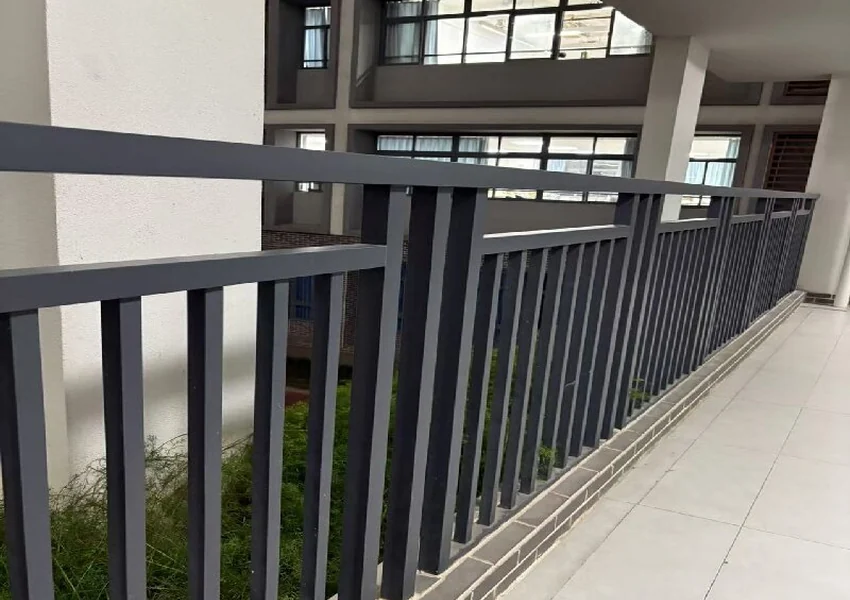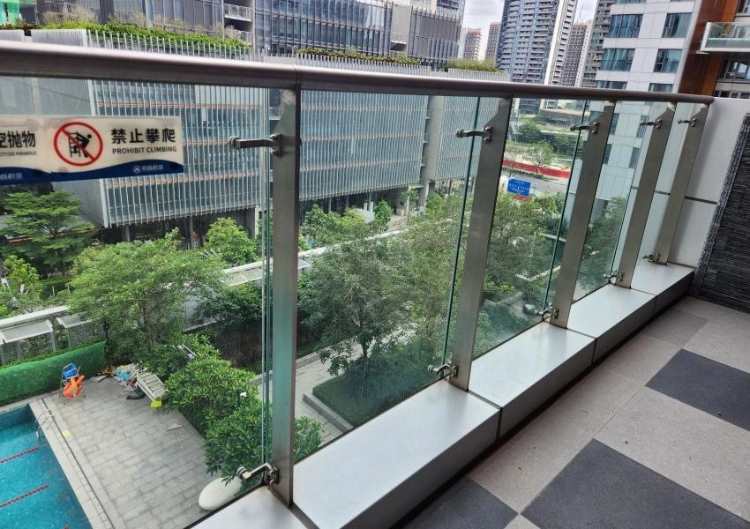


When sound waves encounter sound barriers during propagation, three phenomena occur: reflection, transmission, and diffraction.
Usually, barriers can prevent the propagation of direct sound and provide sufficient attenuation for transmitted sound, while the impact of transmitted sound can be ignored. Therefore, the sound insulation effect of a sound barrier can generally be expressed in terms of noise reduction, which reflects the two abilities of the sound barrier to shield and transmit sound.
Insert a sound barrier between the sound source and the receiving point, with an infinite length, so that sound waves can only diffract from above the barrier and form a sound shadow zone behind it, just like a shadow formed by an object blocking light. In this sound shadow area, people can feel that the noise has significantly decreased, which is the noise reduction effect of the sound barrier.
The height of the sound barrier is between 1m and 5m, covering an effective area with an average noise reduction of 10-15dB (125Hz-4000Hz, 1/3 octave band), up to 20dB. Generally speaking, the higher or farther away the sound barrier, the better the noise reduction effect.