
 author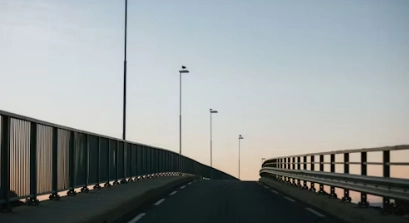




- Home
- Blog
- INDUSTRY BLOGS
- The Role of Road Guardrail Components in Road Safety
The Role of Road Guardrail Components in Road Safety
-
 author
 - April 8, 2026
The current road setting brings tough problems for safety specialists. Quick city growth, growing transport routes, and fast-rising car numbers have boosted crash dangers. As traffic gets thicker, crash chances go up, mainly on fast highways and city crossings. Varied road setups—from hilly areas to seaside paths—need flexible fixes that work well under different pressures. Money limits make it harder to set up full safety setups, so officials must weigh cost savings against strong performance.
In our firm, we see these issues every day at work, from local streets to factory zones. Traffic guardrails form the main setup that keeps road flow orderly and secure. They act as a key shield between cars and road-edge risks, giving real safety and mental cues for drivers on tricky paths.
The Role of Road Guardrails in Mitigating Accidents
Guardrails go beyond simple walls—they stand as built safety setups meant to cut down crash effects. They stop cars from leaving the road, above all in spots with sharp drops or nearby dangers like streams or steep drops. Roadside guardrail: installed at the edge of the highway subgrade. The required scenarios include: road sections with embankment heights exceeding 3 meters (or bridge approach road sections); Road sections with extremely small curve radii and deep ditches or cliffs on the outer side; Road sections that are parallel to and too close to railway, important pipelines, and other facilities; Triangular areas at the exits of highway service areas and parking areas. Every spot chosen is careful—on bends, inclines, or center strips—to allow top energy uptake in hits and guide cars back to the road safely.
Our Traffic Guardrail shows this idea well by mixing crash-proof work and style fit. It comes from strong steel or aluminum alloy bases treated with rust-proof steps like hot-dip galvanizing and electrostatic spraying, so it lasts even in harsh weather.
Key Components of Road Guardrails and Their Functions
Various places call for different kinds of guardrails made for certain jobs. W-beam guardrails give bendable safety, great for highways where a steady bend is needed to take in hit energy slowly. Three-beam guardrails bring extra power fit for danger spots like overpasses or sharp slopes, and cable barriers offer cheap safety with little sight block—ideal for pretty routes or short-term setups.
We make special systems too, such as high-speed isolation barrier guardrails, which work as a quiet safety setup along highway sides and middle strips to take in hit energy by bending itself. These plans show our goal to mix firmness with bend based on the exact site needs.
Material Considerations in Guardrail Manufacturing
Choosing materials sets both lasting work and upkeep ease. Steel stays main because of its top pull strength and power to handle many hits without bending. Aluminum’s light build fits seaside or high spots where rust fight matters most. Mixed materials now link these traits by giving less weight without losing power—a good path for green setup growth.
The substrate is mainly made of Q235 low-carbon steel and galvanized steel, and high-end models use aluminum alloy or stainless steel. This makes sure each item keeps steadily building strength in many weather types—from wet stream sides to dry paths—while cutting down upkeep costs over time.
Design Principles Behind Effective Guardrail Systems
A smart road guard rail system has to handle moving energy well in crashes. Build parts are made not just to fight hits but also to bend in set ways—taking in energy instead of passing it all to car riders. In our making steps, we use piece-by-piece join plans that allow steady bend happen while keeping the flow over long road parts.
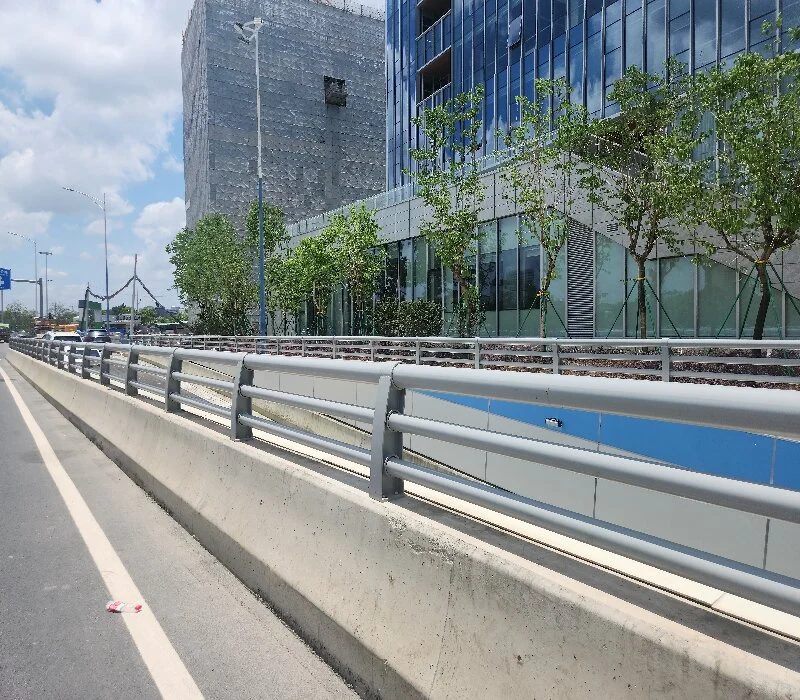
Highway isolation barriers absorb collision energy through self-deformation, force the direction of out-of-control vehicles, and effectively prevent vehicles from crossing the boundary (rushing out of the road or crossing the median), thereby minimizing the severity of accidents. This key idea supports every setup we provide.
Installation Techniques for Optimal Performance
The right setup decides if plan ideas turn into real safety results. Anchor depth, ground makeup, land slant, and car moves all shape how a system acts in hit times. We stress before-setup checks that look at these factors prior to rollout.
In BORUI, our help group gives full-step aid—from case talks to after-setup checks—making sure each wall matches local traffic setups well. The factory supports you to customize a unique barrier style, and professional consultants will answer your questions and provide you with barrier style advice more suitable for your scene.
Innovations in Road Guardrail Technology
Tech mixing is changing the old setup handling. Smart guardrails with built-in sensors can watch build strength live, spotting bends or hits right away. Info gathered improves guess-based upkeep plans and gives useful views on crash ways—helping leaders best use resources. We keep looking into sensor watch fixes in our product lines to boost long-term safety handling over city nets.
Eco-friendly Materials in Modern Guardrail Design
Green ways have become a must with the setup of growth aims around the world. Eco-friendly guardrails use reused metals or breakdown mixes that cut green marks without losing trust. River guardrails are safety protection facilities specifically designed for the banks of rivers, lakes, and other water bodies. These installations often adopt corrosion-resistant materials like galvanized steel coated with environmentally safe paints—balancing ecological preservation with human safety requirements. Our Road Guardrail series mixes these green habits through piece plans that allow easy part swaps instead of whole tear-downs—cutting waste over their work life. For more information, contact us now!
Conclusion
Full road guard rail systems build a vital base for world traffic safety plans. They not only stop big crashes but also guide driver actions through sight hints and real limits that mark safe driving areas on today’s roads.
Ongoing new ideas—in material know-how, build planning, and digital watch—are key as travel shifts to higher speeds and self-drive setups. Our aim stays firm: joining strong build rules with style match to make safer roads everywhere while keeping green duty. Specialists looking for fit safety fixes can reach us straight via our talk site for made-to-fit tips matched to certain work needs.
FAQ
Q1: How do road guardrails enhance vehicle safety?
A1: Road guard rails act as controlled impact absorbers that redirect errant vehicles back onto safe paths while minimizing occupant injury severity by dissipating kinetic energy through deformation mechanisms.
Q2: What materials are commonly used in guardrail construction?
A2: Common materials include galvanized steel for strength, aluminum alloy for corrosion resistance in coastal zones, and composite structures combining durability with reduced weight—all engineered according to site-specific demands.
Q3: Are there eco-friendly options available for road guardrails?
A3: Yes, modern developments incorporate recycled metals and biodegradable coatings into modular designs that extend lifecycle sustainability while maintaining compliance with international safety standards.
Recent Posts
-
 Window Guardrail Height and Design Details for Safer BuildingsOctober 12, 2026
 -

-
RELATED PRODUCTS
A tale of a fateful trip that started from this tropic port aboard this tiny ship today stillers
Contact Us
Get personalized guardrails advice for system choice & savings.


