
 author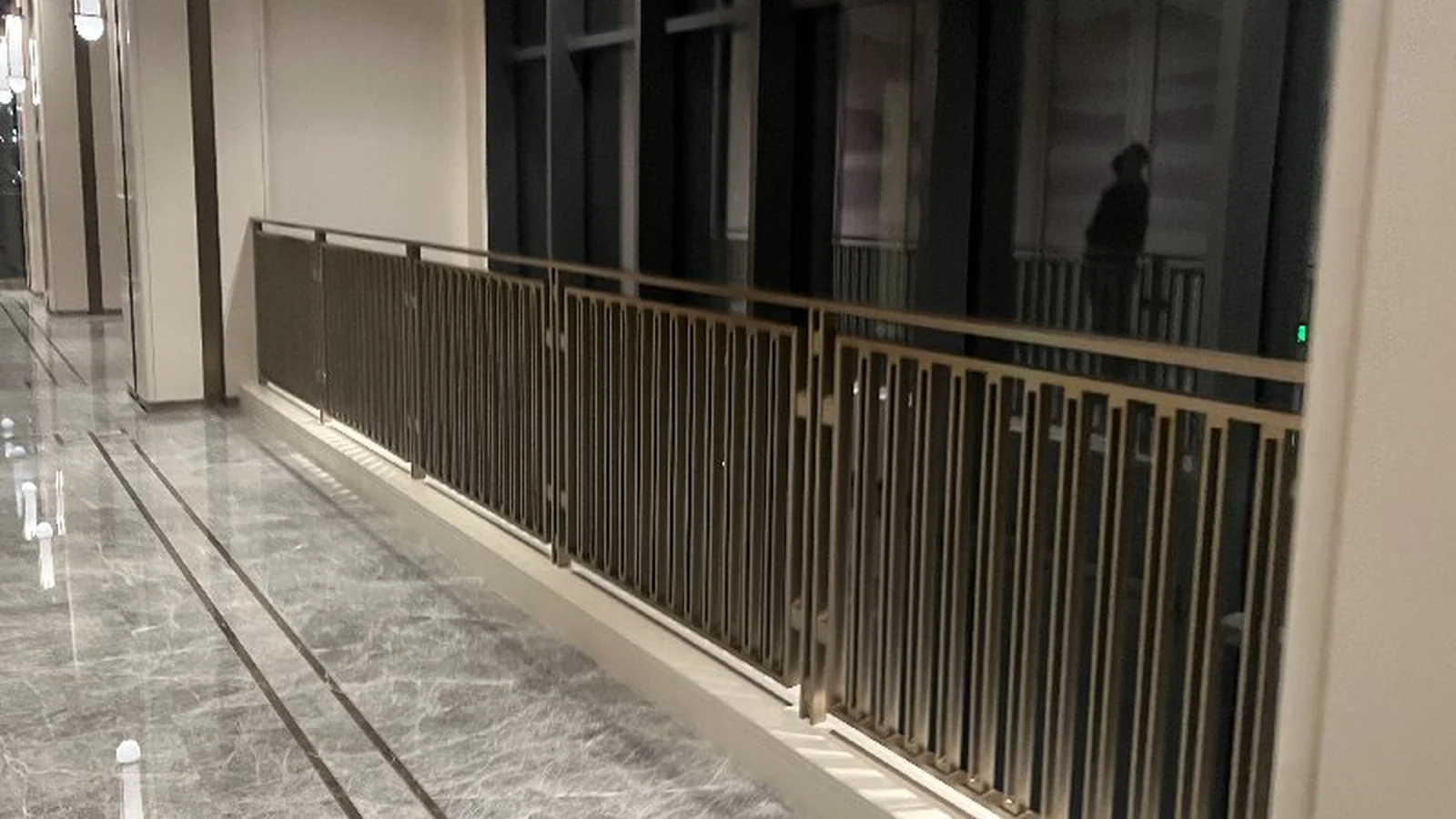




- Home
- Blog
- INDUSTRY BLOGS
- The Ultimate Guide to Guardrail Installation: Safety Standards, Materials, and Best Practices
The Ultimate Guide to Guardrail Installation: Safety Standards, Materials, and Best Practices
-
 author
 - May 11, 2026
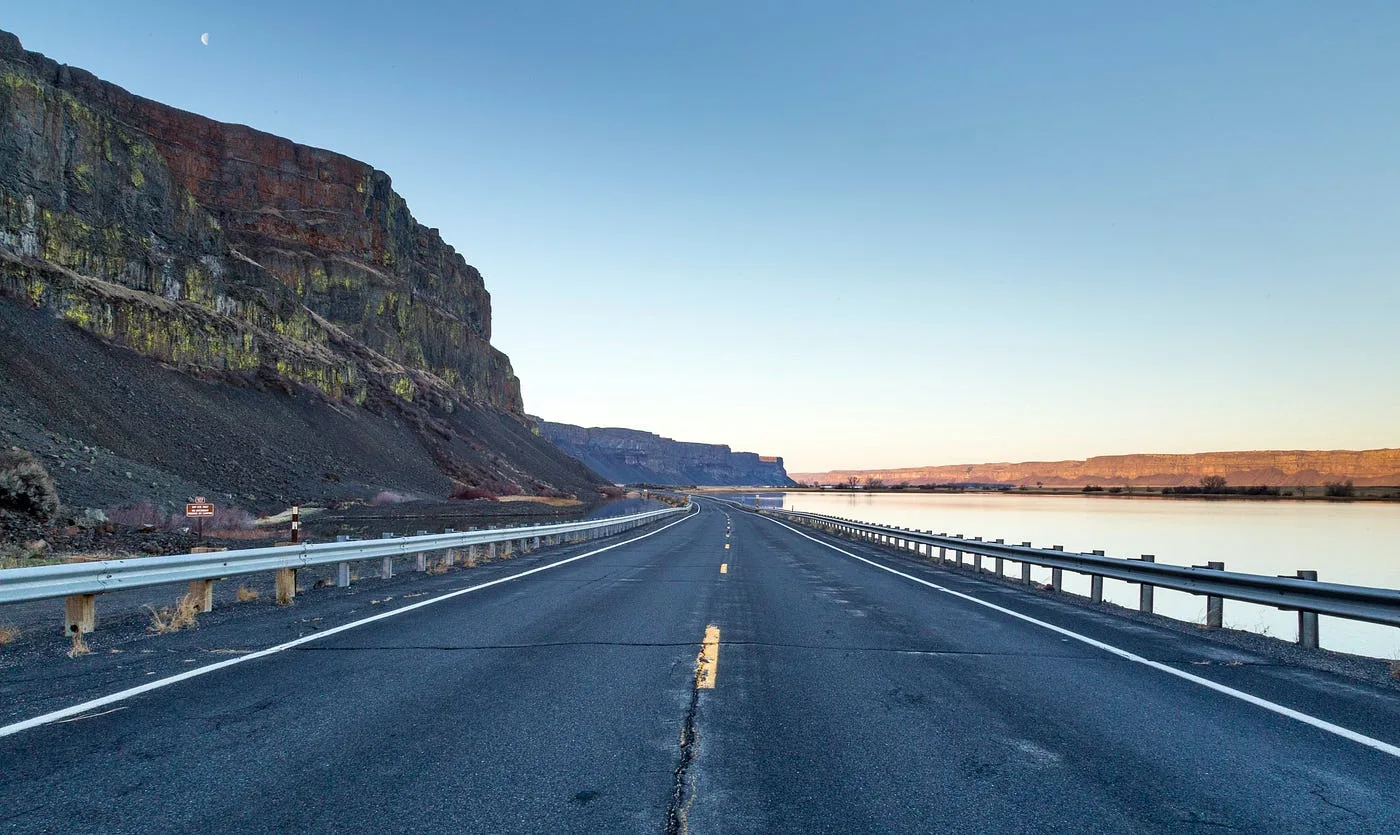 Before putting in guardrails, you must understand that these setups are not just simple building add-ons. Instead, they serve as vital safety features. They stop unexpected falls, vehicle crashes, and building risks. As a skilled guardrail manufacturer, BORUI has focused for years on creating and building complete protection setups. These blend safety engineering with pleasing looks. We offer services from planning to setup for bridges, rivers, and road uses, which cover factory areas, city projects, and home sites around the world. Our main goals include strong quality checks, new material ideas, and following global rules. Thus, every placed guardrail delivers solid function and a nice appearance.
The Purpose and Function of Guardrails in Structural Safety
Guardrails work as strong barriers. They block falls or hits in walking and driving spots. Stair railings form a key safety setup for up-and-down movement in structures. Moreover, they mix spatial beauty with user comfort. In road systems, traffic guardrails stand as the main part that keeps driving order and protection. The right setup makes sure it follows building rules like OSHA or ANSI. At the same time, items such as galvanized steel or aluminum mixes hold a firm shape under pressure. The base choice—steel for power or aluminum for lightweight—sets how long each setup lasts.
Key Regulatory Standards and Compliance Requirements
Each setup needs to stick to tough rule sets. OSHA sets basic height needs, often 42 inches for work railings. Local building rules set weight-holding limits. Record-keeping, like check logs and approval papers, keeps track of everything. For instance, when we set up river or bridge guardrails, our experts confirm rule-following. They do this through steady weight tests before the end check, which meets global safety marks.
How Should Pre-Installation Planning and Site Assessment Be Conducted?
A good setup starts with careful planning. It looks at weather factors, site shape, and base strength. Every ground type, like concrete sides or metal floors, needs special fixing methods.
Evaluating Site Conditions Before Installation
Before adding any guardrail system, check the ground slope, wet or salt air contact, and possible weak spots. For waterside jobs, fighting rust matters a lot. River guardrails are safety tools made just for rivers, lakes, and other water edges. Their build considers fall stops, water rust fights, and scene fit. So, they work well in damp places like wetlands or water stores. Experts should confirm base stability with no-harm test methods before making holes.
Selecting Appropriate Guardrail Systems
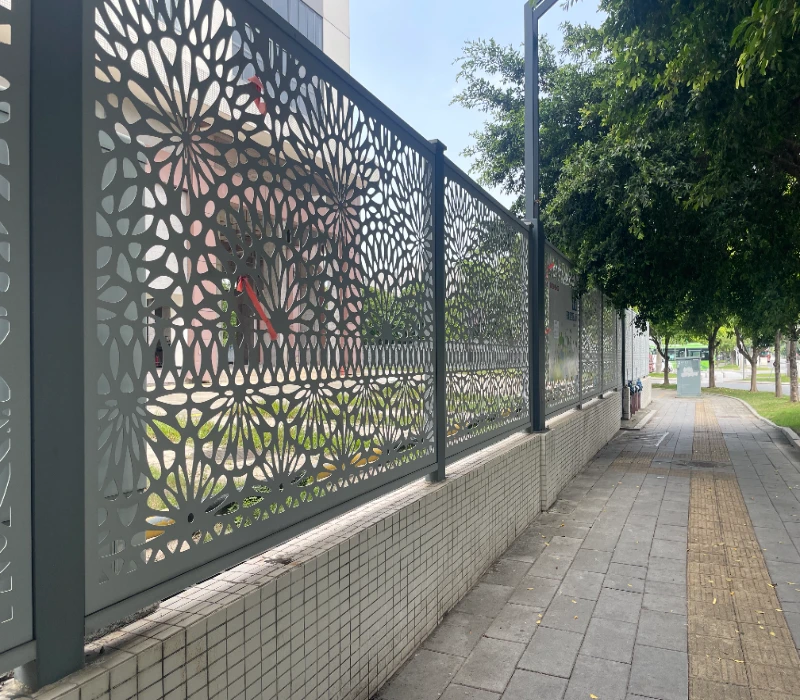
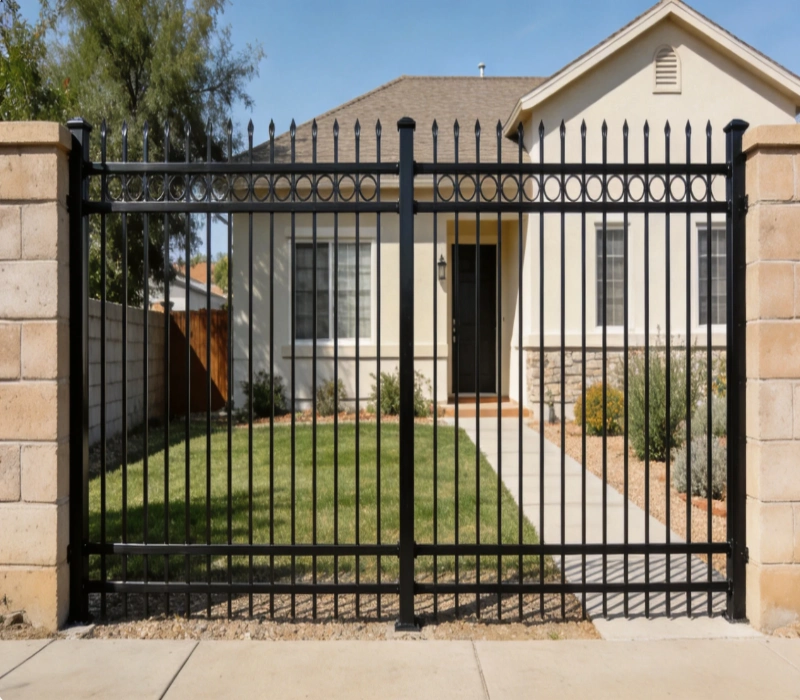
The pick process relies on the planned job. Factory split needs firm fence builds, while open paths might like clear glass types. Fence railings are tools for edge guard and are used in yards, home zones, plants, schools, and more. For building spots requiring clean, modern style or full views, we suggest stainless steel glass guardrails. These join strong glass sheets with steel frames to get a fine mix of safety, hold, and sight hiding. Piece-by-piece systems let future growth happen without taking things apart.
What Materials Preparation and Tools Are Required Before Installation?
Getting materials ready boosts work speed, and it also cuts down on-site changes.
Preparing Materials for Installation
Check all parts before joining them. Posts need to lack breaks or rust. Pre-cut pieces should match the plan drawings exactly, which keeps even gaps in the layout. Balcony guardrails are the main guard tools in homes, businesses, and public buildings. They make sure balcony spots stay safe. Adding guard layers like hot-dip galvanizing boosts life in shore areas. There, salt speeds up rust.
Essential Tools and Equipment for Guardrail Installation
Torque wrenches make sure there is a steady twist force on joints. Drill tools must fit the ground toughness to avoid too-deep, fixed holes. Staff should always use safety gear like hard hats, hand covers, and body straps, which follows work safety rules during work.
How Is the Step-by-Step Guardrail Installation Process Executed?
Each part, from marking fix spots to fixing posts, shapes the full work.
Positioning and Marking Anchor Points
Use laser tools or chalk marks to set post spots along the set route. Keeping even space spreads weight evenly over rails. Check the lineup twice before drawing. Wrong fix spots can cause uneven pull, which hurts long-term steadiness.
Installing Posts and Base Plates Securely
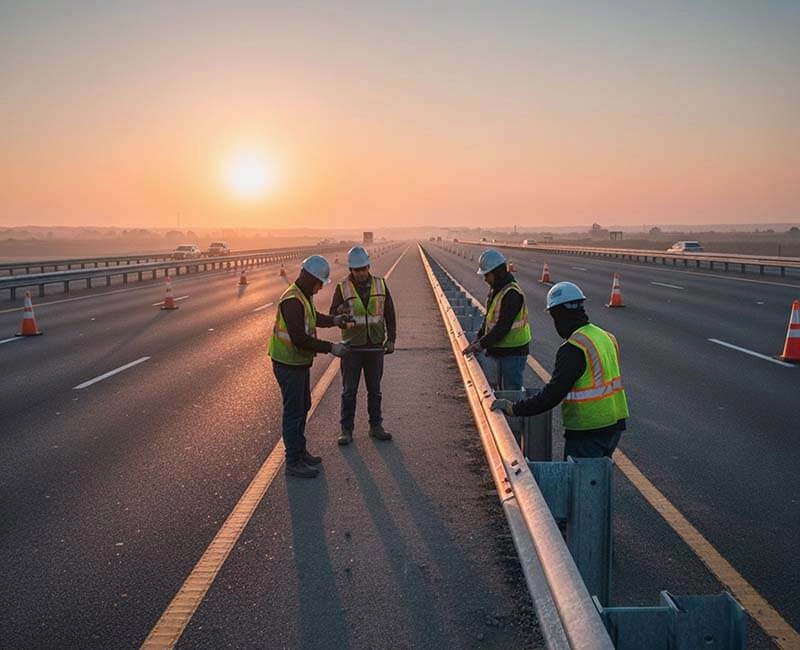
Based on the ground kind, like concrete blocks or dirt sides, fix posts with spread bolts or glue mixes. Make sure it’s a straight-up line with bubble tools during twist work. In heavy-weight areas such as bridges or roads with common shakes, extra-strong base plates might be needed by rule.
Attaching Rails and Intermediate Components
Fix the upper rails first. They give a lineup guide for middle rails or fill sheets. Apply set twist levels when joining links to stop bending from too much twist. Faces must stay flat without rough spots, since sharp sides could cause injury in use.
How Are Structural Testing and Verification Procedures Performed?
Tests prove rule-following for machine standards before job handover.
Load Testing for Strength Validation
Do steady side weight tests that copy person-hit forces, usually 200 lb at the middle span. For car blocks like traffic guardrails, moving hit tests copy crash cases. They check crash power take-up meets GB/T 26941 standards. Record all test outcomes in job paper files.
Visual Inspection and Quality Assurance Checks
Once done, look at weld lines for smooth joins. Check bolt twist sameness with the set tools. Confirm layer wholeness after setup, since cuts might start to rust under weather touch.
What Maintenance Practices Ensure Long-Term Performance?
Steady work depends on beforehand care plans fit to weather settings.
Routine Inspection Intervals
Set checks every three months in factory zones or twice a year inside. Watch for shape changes from hits, loose parts from shaking, and wear. Swap bad pieces right away. Piece designs let part fixes happen without breaking whole groups. This is a point in BORUI’s piece on road systems, too. They cut care costs by a simple swap of hurt parts.
Cleaning, Recoating, and Repair Procedures
Wash metal faces often with soft cleaners. Skip rough tools that harm layers. Put on guard covers again per the manufacturer’s tips every few years, based on touch level. Keep full care logs as part of rule-following papers, which ensures tracking through use lifetimes.
How Can Safety Be Enhanced Through Advanced Guardrail Technologies?
Innovations in Material Engineering
New mix materials now blend light build with better pull strength. Polymer covers over galvanized bases fight rust even under salt air common in shore setups, such as Hailing Island’s better cast iron base plan. This greatly boosted the wind fight over an 11-kilometer road part (upgraded materials and enhanced weather resistance: the galvanized material and cast iron base (replacing the old PVC material) significantly improve corrosion resistance and wind resistance).
For skilled advice on picking the best materials or adding parts to your next job’s guardrail plan, reach out to us via our main site’s ask area. Avoid direct phone lines. We’ll give custom tech help based on your site’s exact settings.
FAQ
Q1: What is the best material choice when installing guardrails near water bodies?
A1: Galvanized steel or 304 stainless steel is recommended due to their double anti-corrosion treatment properties; these materials resist rust even under continuous humidity exposure typical of riverbanks or coastal sites.
Q2: How often should installed guardrails undergo inspection?
A2: For outdoor applications exposed to weathering or mechanical stressors such as bridges or highways, inspections should occur at least every six months, including checks on coating integrity and bolt tension consistency.
Q3: Can modular systems reduce long-term maintenance costs?
A3: Yes. Modular designs allow individual segment replacement without dismantling entire runs of railing structures—a feature proven effective across multiple municipal projects where localized damage repair minimized downtime while maintaining full safety compliance.
Recent Posts
-
 Window Guardrail Height and Design Details for Safer BuildingsOctober 12, 2026
 -

-
RELATED PRODUCTS
A tale of a fateful trip that started from this tropic port aboard this tiny ship today stillers
Contact Us
Get personalized guardrails advice for system choice & savings.


