
 author



- Home
- Blog
- INDUSTRY BLOGS
- How High Should Window Guardrails Be
How High Should Window Guardrails Be
-
 author
 - June 1, 2026
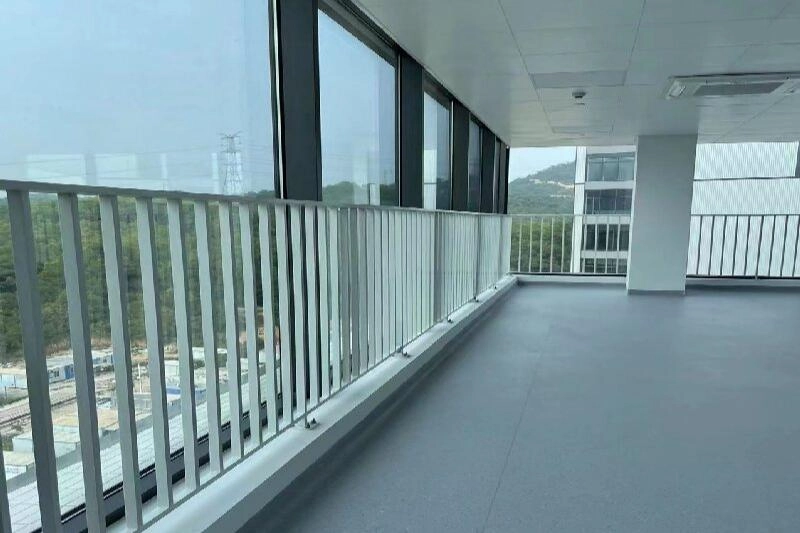
Guardrail height standards help keep people safe in homes and offices. Window railings act as barriers placed inside or outside windows. They stop falls, block break-ins, and shield kids from danger. At the same time, they add a nice look to the building’s front. These barriers form a solid shield that cuts down on accidental drops yet still lets in light and air. Taller rails give better protection against tipping over, especially high up, where wind and movement raise the chance of trouble. Good design also looks at how easy it is to see and reach the windows without losing strength.
Historical Development of Guardrail Height Regulations
Rules for window guardrails grew as cities expanded and building methods improved. Early rules focused mostly on stopping theft. Later, as buildings packed closer together, stopping falls took center stage. Today, these rails go beyond old-style security bars. They now mix safety engineering, looks, escape routes, and smart security features. Over the years, RS Global codes set clear minimum heights, often from 900 mm to 1200 mm. This change shows more attention to child safety and easy use in tall buildings.
International and Regional Standard Comparisons
Well-known guides such as ISO 18008 for glass in buildings, EN 1991 for European loads, and ASTM E2353 for safe glazing give basic advice on rail heights. These texts describe guardrails, balustrades, and barriers as parts that must handle side forces and stop falls. Still, matching these ideas across regions remains hard because body measurements and local safety habits differ.
Regional Variations in Height Specifications
North America
Most North American codes call for window guardrails at least 900 mm high in homes. Public or office buildings often need 1100 mm to 1200 mm. The rules try to protect users while still letting them open windows for air or escape.
Europe
European rules under EN 1991 stress both strength and height. Many EU countries set the lowest rail at 1100 mm for taller buildings. They adjust for local weather and how people behave in those spaces.
Asia-Pacific
In places like China, Japan, and Australia, specs cover fall safety plus rust resistance for different climates. Protection height usually runs from 900 mm to 1200 mm and can change with the floor level. Vertical bars stay 80 mm to 110 mm apart and can go as close as 60 mm. This approach fits coastal wet areas and earthquake zones alike.
Technical Basis for Determining Guardrail Height
Body measurements, such as average hip height for adults or reach range for children, guide safe rail design. Heights over 900 mm keep people protected even when they lean or stretch out. Clear sight lines matter too. Slim frames avoid a closed-in feeling. Modern rails often use narrow aluminum or stainless steel round tubes to keep views open.
Structural Load and Performance Requirements
Rails must hold set side loads without bending for good. Tests push steady pressure along the top rail. They follow local rules such as EN 1991-1-1 or ASTM E935. Dynamic checks copy real bumps, like someone tripping into the rail. Glass or metal frames face repeated hits to prove they stay strong for years.
Integration with Architectural Design Principles
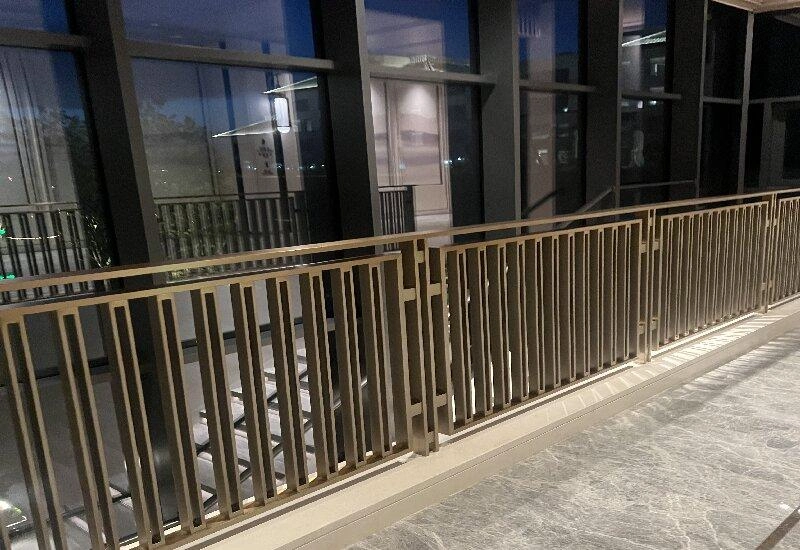
Coordination Between Window Design and Guardrail Systems
Where window sills sit low, extra rails must reach the needed height. Window guardrails are safety protection facilities installed outside or inside building windows, mainly used to prevent falls, prevent theft and intrusion, protect children’s safety, and also have the function of decorating and beautifying building facades. They must fit the building facade without breaking its style or rhythm.
Material Selection and Detailing Implications
Metal Systems (Steel, Aluminum)
Metal rails last longer when made from stainless steel 304/316 or aluminum alloy 6063-T5. Powder coating or fluorocarbon spray helps them resist rust in damp air.
Glass Guardrails and Hybrid Designs
Laminated glass stays clear yet strong. Its layers hold broken pieces together and still pass height and load tests set by ISO rules.
Composite or Innovative Materials
New composites let manufacturers use thinner parts without losing stiffness. This helps when clean, simple looks are wanted, along with full safety compliance.
Risk Assessment and Safety Evaluation Methods
Poor rails often cause falls, especially for kids or workers who lean out. Strict codes require at least a 900 mm height and no more than 110 mm between bars to stop accidents. Regular checks keep bolts tight against vibration and rust. FEA software predicts stress along rails at different heights under load. It helps improve designs before any real parts are built. Full-size tests apply repeated forces that copy daily use. Results confirm the rail meets local rules before it gets approved.
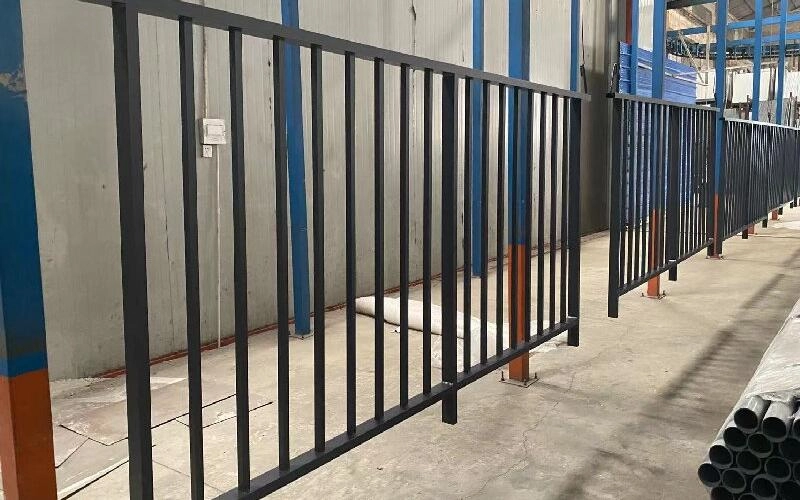
Future Trends in Window Guardrail Standardization
New sensors watch for bends or shakes and send alerts before trouble grows. Materials that change stiffness on their own may set new safety marks while keeping good looks and quick response. ISO groups keep working on shared world rules. Digital checks inside BIM tools will make approval faster and track every step from plan to install.
Introduce BORUI
We specialize in developing complete architectural protection solutions anchored on rigorous international standards. As part of our integrated offering at BORUI, we provide not only precision-engineered window guardrails but also end-to-end services covering consultation, customization, production control, installation guidance, and post-delivery support through our service platform. Our one-stop solution system ensures every product meets stringent fall-prevention criteria while achieving harmony between structure and design aesthetics—a philosophy proven across numerous project cases. With advanced facilities described on our about page, we continue refining manufacturing accuracy through automated lines spanning over 20, 000 m² of production space dedicated exclusively to high-performance metal barriers designed for global applications.
We encourage professionals seeking compliant architectural safety systems tailored for residential towers or commercial façades to contact us directly through our consultation channels for personalized technical guidance on optimal window guardrail configurations aligned with local code requirements.
FAQ
Q1: What is the standard protective height range recommended for modern window guardrails?
A1: Most rules set heights between 900 mm and 1200 mm based on floor level. This range matches global practice for solid fall protection without blocking the view.
Q2: How can material selection influence long-term performance?
A2: Stainless steel 304/316 or aluminum alloy profiles fight rust well. Adding fluorocarbon coatings makes them last even longer in wet or salty air.
Q3: Are modular designs suitable for existing building retrofits?
A3: Yes. Weld-free modular systems cut down on site work and still meet required heights, making them a good fit for upgrades that improve both looks and safety.
Recent Posts
-
 Window Guardrail Height and Design Details for Safer BuildingsOctober 12, 2026
 -

-
RELATED PRODUCTS
A tale of a fateful trip that started from this tropic port aboard this tiny ship today stillers
Contact Us
Get personalized guardrails advice for system choice & savings.


