
 author



- Home
- Blog
- INDUSTRY BLOGS
- What Goes Into Designing the Perfect Exterior Guardrail
What Goes Into Designing the Perfect Exterior Guardrail
-
 author
 - May 25, 2026
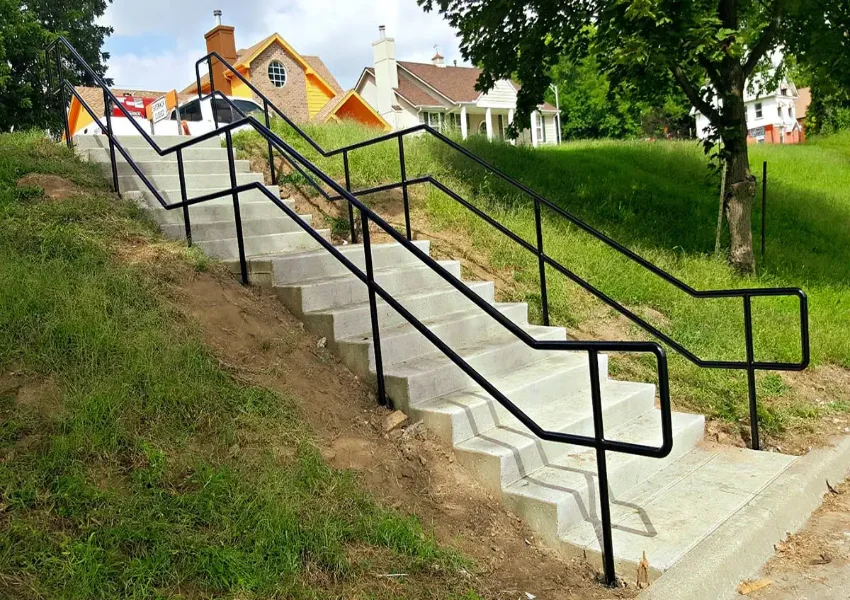
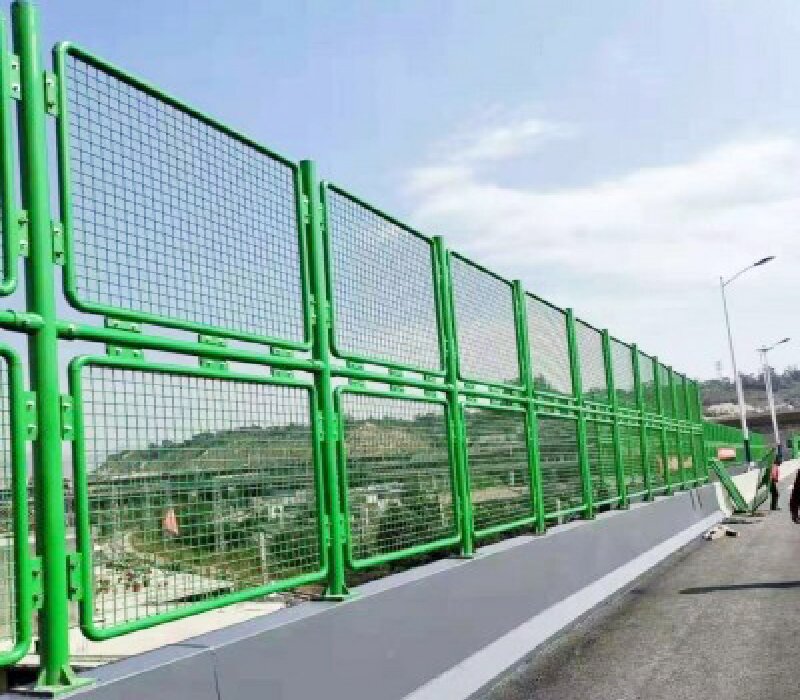
Exterior guardrail systems serve as sturdy barriers to stop vehicles or people from straying off the road, especially near drops, bridges, or tight turns. They aim to hold back wayward vehicles and guide them back into the flow of traffic without harm. Highway guardrails stand out as the key and most common passive safety feature in road traffic setups. These are firm or somewhat flexible barriers placed steadily along the sides of main highways and the median dividers. Their main job involves soaking up crash energy by bending, which makes uncontrolled vehicles shift course and stops them from going beyond limits (like veering off the road or into the median), thus cutting down accident harm and protecting drivers and riders.
Key Principles of Exterior Guardrail Design
The approach to designing exterior guardrail needs to weigh containment power, redirection success, and visual fit with surroundings. For example, in pretty spots or city bridges, blending in looks matters to keep the scenery smooth. Needs for performance change based on road type—fast highways call for stronger hit resistance than town streets or river edges.
Regulatory Framework and Design Standards
Following global and local rules ensures each exterior guardrail offers solid build quality and steady crash results. Rules like AASHTO M180, EN 1317, and area road guidelines set crash performance levels that outline okay bend amounts and risks to people inside. Tiered Collision Protection: By sticking to the “fault-tolerant” idea, guardrails with varied protection tiers get set up based on road section dangers (such as speed limits, edge risks, and vehicle counts) to match different safety wants. Records and approval steps also back up quality checks during project sign-offs.
Structural and Material Considerations in Guardrail Design
Selection of Materials for Durability and Performance
Choosing materials shapes how long they last, upkeep costs, and overall work over time. Usual picks include galvanized steel for its good mix of toughness and affordability, aluminum alloys for fighting rust, and mixed materials for lighter weight. Bridge guardrails act as safety setups made just for the edges of different bridges (road bridges, city bridges, and footbridges), focusing on “strong hit resistance, fall stops, and wind hold.” They use tough bases like galvanized steel and stainless steel, built up and joined, then coated against rust.
Handling rust proves vital because outdoor spots deal with water, road salts, or sea air. Hot-dip galvanizing paired with powder coating gives a lasting shield from rusting—a method seen in bridge guardrail systems that face damp shore weather.
Structural Geometry and Load Distribution
The shape of an exterior guardrail determines how well it absorbs energy during a crash. Factors like post gaps, anchor depth, beam level, and section form affect how forces spread on impact. For standard wavy-beam steel guardrails, the main parts (wavy steel sheets, posts, and crash blocks/supports) form a sharp energy-control setup—in a vehicle hit, the wavy beam takes energy by bending. Finite element analysis (FEA) aids these tweaks by modeling moving loads in different crash setups.
Dynamic Behavior During Guardrail Crash Events
Energy Absorption Mechanisms
In crash moments when a vehicle hits an exterior guardrail at a quick speed or at an odd angle, moving energy has to spread out slowly instead of facing a sudden block. With smart shape planning, lost-control vehicles can slide back to their path along the guardrail face (that is, the “guiding role”), skipping hard hits that make vehicles spin wildly or flip. The wavy shape’s bendability creates managed bend areas that cut down on slowing forces on people while keeping the barrier whole.
Vehicle Interaction Dynamics
How vehicles meet barriers hinges on matching bumper height to rail shape. A wrong setup can cause under-ride or over-ride cases that worsen crash harm. Model-based tests check these actions across vehicle types—from small cars to big trucks—making sure safe guiding is without extra dangers.
Environmental and Site-Specific Factors Affecting Design Choices
Influence of Terrain and Road Geometry
Land shape guides exterior guardrail planning closely. Bends need closer post spacing for even hold; inclines might want stronger anchors; raised areas often link shift parts joining bendy road edge barriers with firm bridge sides. Water flow control near posts stops dirt wash that might weaken the hold as time passes.
For water-side setups like river guardrails, fitting the setting matters just as much. River guardrails serve as safety setups made for riverbanks, lakesides, and other water spots. They center on “fall stops, water rust fights, and scene fit” as key roles. Their build mixes safety work with scenic looks using weather-tough metals like stainless steel.
Climate Exposure and Corrosion Management
Outdoor rails facing sea air or factory dampness need better coatings—zinc dipping and then fluorocarbon spray stretches life a lot. Routine check rounds spot early rust hints before a build fails. Green material choices like aluminum alloys cut eco-impact while meeting safety rules.
Integration with Broader Road Safety Systems
Coordination with Roadside Hardware Elements
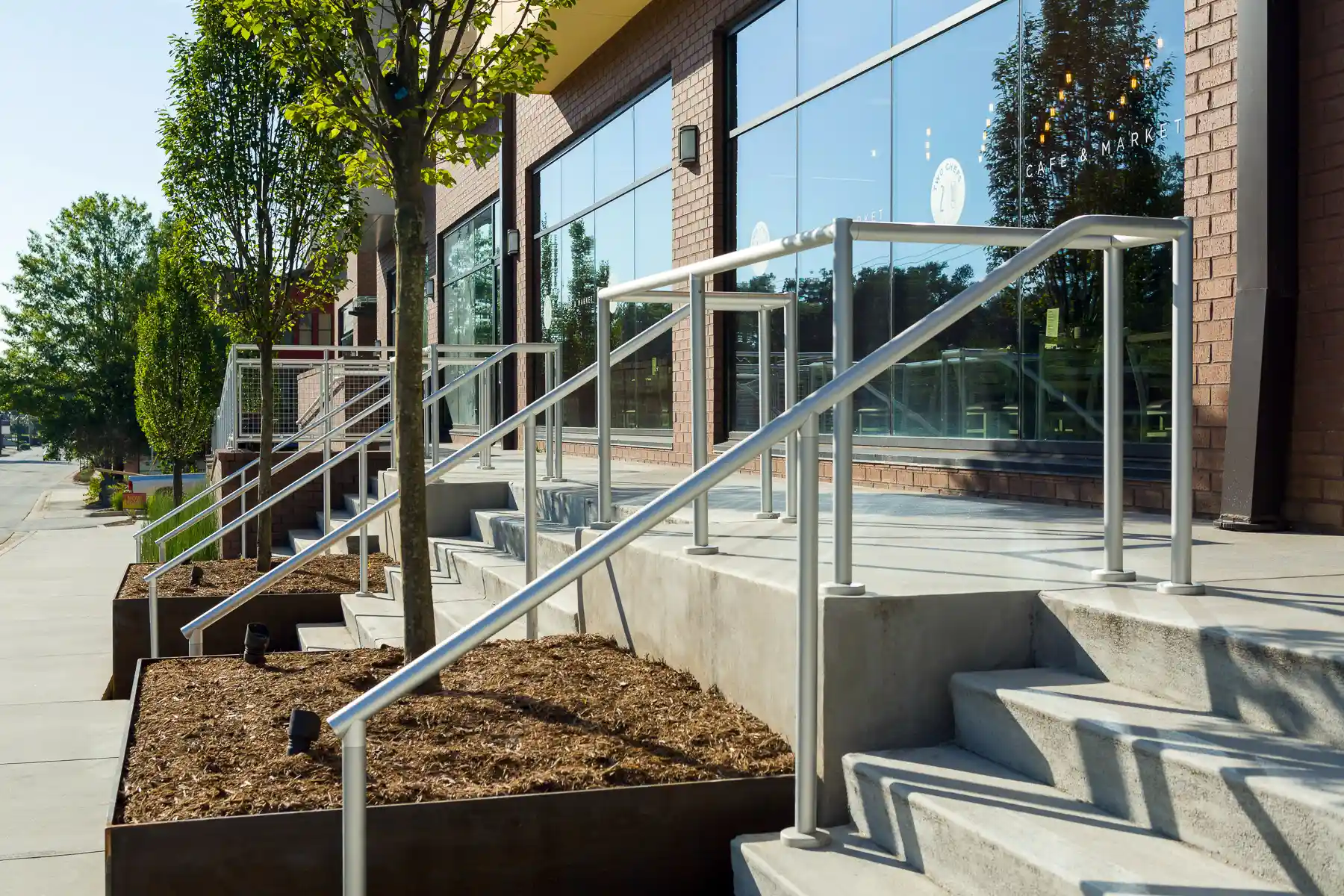
Exterior guardrails seldom work alone; they connect with bridge sides, signposts, light poles, or end parts to make steady safety lines along travel paths. Shift builds lessen hardness gaps between linked systems, avoiding soft spots at joins while keeping sight steady in changing light. In cities, uses like fence railing systems, piece-by-piece, allow easy changes across home lines or town roads while holding an even look tied to building styles.
Maintenance Strategies for Long-Term Safety Performance
Regular reviews make sure small bends do not hurt later work after mild hits. Fact-based asset care helps focus on high-risk parts by traffic load or event rates. Updating old setups with new energy-soak parts matches roads to fresh world rules.
Advancements in Guardrail Technology and Future Trends
Smart Materials and Sensor Integration
New tech adds built-in sensors in exterior guardrail for live checks of strain levels or hit spots—allowing ahead-of-time upkeep plans via data-based tools. Better mixed materials boost strength-to-weight balance, easing setup tasks mainly in tricky bridge shapes where light but strong materials count.
Evolving Design Philosophy Toward Sustainable Safety Solutions
Current builds stress green ways next to safety measures. Life cycle reviews lead to eco-smart choices from base material pulls to end reuse without hurting guard work. Piece designs let pick-and-swap of hurt sections to lower waste—a rule shown in clear setups like stainless steel glass guardrails that blend simple looks with built strength fit for new buildings.
Introduce BORUI
As a skilled manufacturer deeply active in worldwide metal shield solutions growth since 2009, BORUI runs a 20,000 m² manufacturing site fitted with auto lines turning out town road barriers, river safety setups, and building railings used in over 30 countries around the world. We stress ongoing new ideas, mixing machine-build skill with eco-care to bring custom exterior guardrail answers meeting world rules like AASHTO and EN1317 while giving full-step help—from advice to post-sale aid—to make sure lasting trust for each setup case across work zones or city builds.
For in-depth tech help on our built barrier answers, including bridge-level parts or water-edge guard plans fit for your work needs, please contact us. Our group gives pro advice, making sure each exterior guardrail setup hits the best mix between build work and building fit.
FAQ
Q1: What determines whether an exterior guardrail should be flexible or rigid?
A1: The choice rests on site danger level; high-speed highways often pick semi-rigid wavy beam builds able to bend in control, while slow city spots may use firm concrete kinds, focusing on holding over the bend radius.
Q2: How often should corrosion-resistant coatings be inspected?
A2: Check times differ by setting, but yearly sight looks paired with five-year deep reviews work well, especially for spots near shores where salt wear speeds up wear.
Q3: Can modular sections be replaced without dismantling an entire line?
A3: Yes; piece assembly lets targeted swaps boost cost savings since just hurt panels or posts need changing, not a full build take-down—a main plus in current exterior guardrail upkeep plans.
Recent Posts
-
 Window Guardrail Height and Design Details for Safer BuildingsOctober 12, 2026
 -

-
RELATED PRODUCTS
A tale of a fateful trip that started from this tropic port aboard this tiny ship today stillers
Contact Us
Get personalized guardrails advice for system choice & savings.


