
 autor
autor 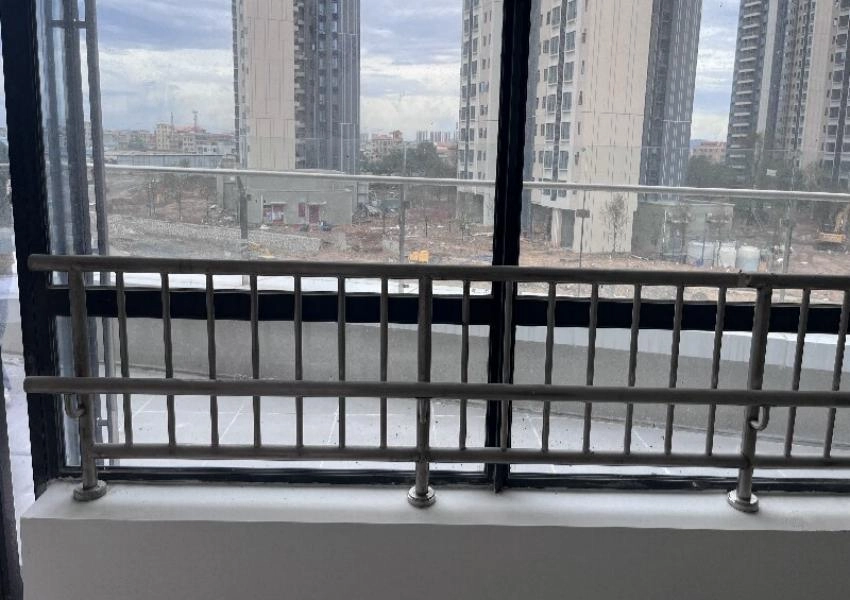



- Lar
- Blog
- BLOGS DA INDÚSTRIA
- Altura do guarda-corpo da varanda e espaços de preenchimento: uma lista de verificação para aquisição
Altura do guarda-corpo da varanda e espaços de preenchimento: uma lista de verificação para aquisição
-
 autor
autor - 10 de agosto de 2026
Os desenhos de guarda-corpos de varandas costumam parecer simples. Uma linha marca a borda, outra marca o corrimão e algumas anotações especificam o material. Na prática, o processo de aquisição é bem mais complexo. Se a altura do guarda-corpo da varanda estiver incorreta, o projeto pode ser reprovado na inspeção. Se o vão entre os guarda-corpos for muito grande, o risco à segurança é evidente. Se o preenchimento parecer seguro, mas permitir escalada, o problema pode surgir somente após a entrega da obra.
Para torres residenciais, hotéis, apartamentos, escolas e terraços comerciais, a segurança das varandas com guarda-corpo deve ser avaliada como parte integrante de um sistema completo de proteção de borda. Altura, vão livre, tipo de vidro, espaçamento entre os postes, resistência à corrosão, método de fixação e acabamento da superfície são fatores que devem ser considerados.
Altura e EUnfill Gaplicativos são Scharme Emalues, Not Decoação
A linha de altura é um dos primeiros itens que os avaliadores observam, pois afeta diretamente a proteção contra quedas. A altura de proteção efetiva deve ser de pelo menos 1100 mm para edifícios residenciais e pelo menos 1200 mm para edifícios altos ou públicos. Os códigos de construção locais podem ser mais rigorosos, portanto, esses valores devem ser considerados como pontos de referência para o projeto, e não como substitutos da aprovação local.
O Llocal Code Spara CavóFprimeiro
A altura do guarda-corpo da varanda deve ser especificada a partir de onde a medição começa. É a partir do nível do piso acabado, do deck elevado, do azulejo, da camada de drenagem ou do meio-fio? Um guarda-corpo de 1100 mm pode ficar mais baixo na prática se a configuração do piso acabado for alterada após a aprovação do projeto. Para jardins em coberturas, terraços de hotéis ou varandas de apartamentos com pavimento espesso, as equipes de compras devem confirmar o nível final do piso antes de fazer o pedido.
A mesma regra se aplica a projetos de substituição. As bordas das varandas antigas podem apresentar níveis de laje irregulares, impermeabilização adicional ou camadas de azulejos reparadas. A medição no local deve ser feita antes da produção, e não depois que a fábrica já tiver cortado os postes e o vidro.
Escolha o tipo de preenchimento antes de verificar a abertura livre.
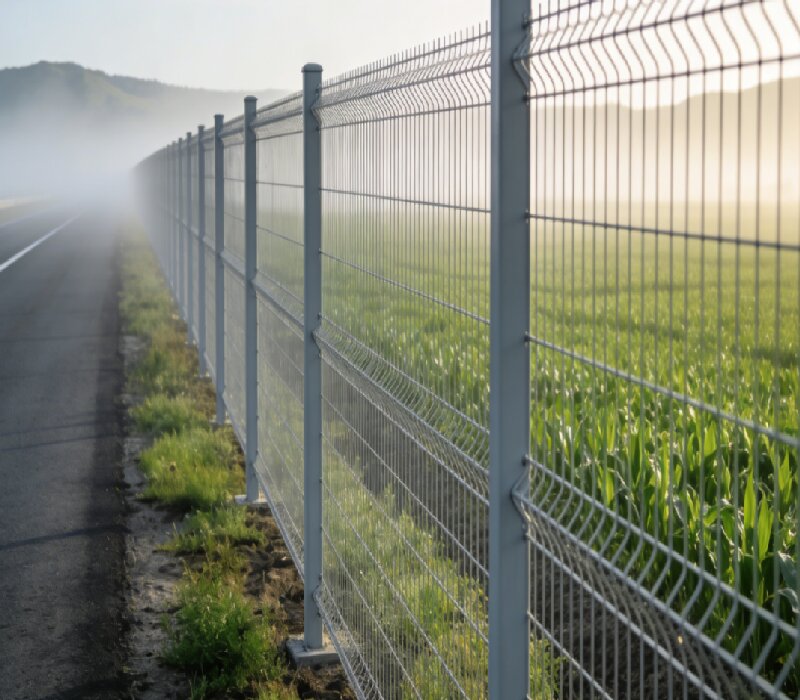
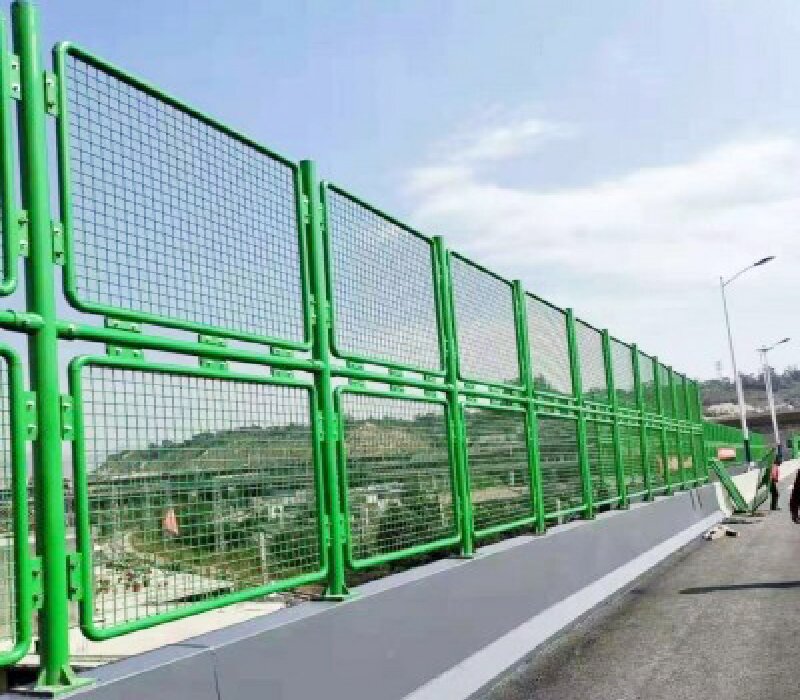
Diferentes sistemas de preenchimento levantam diferentes questões de segurança. Barras verticais são fáceis de medir, mas a resistência à escalada e a qualidade da solda ainda são importantes. Painéis de vidro preservam a vista, mas os detalhes de fixação e a composição do painel tornam-se mais importantes. Telas metálicas, painéis perfurados, cabos de aço e placas ocas exigem análises específicas de folga e deflexão.
Vidro, Bars, e Mesh Behave Dde forma diferente
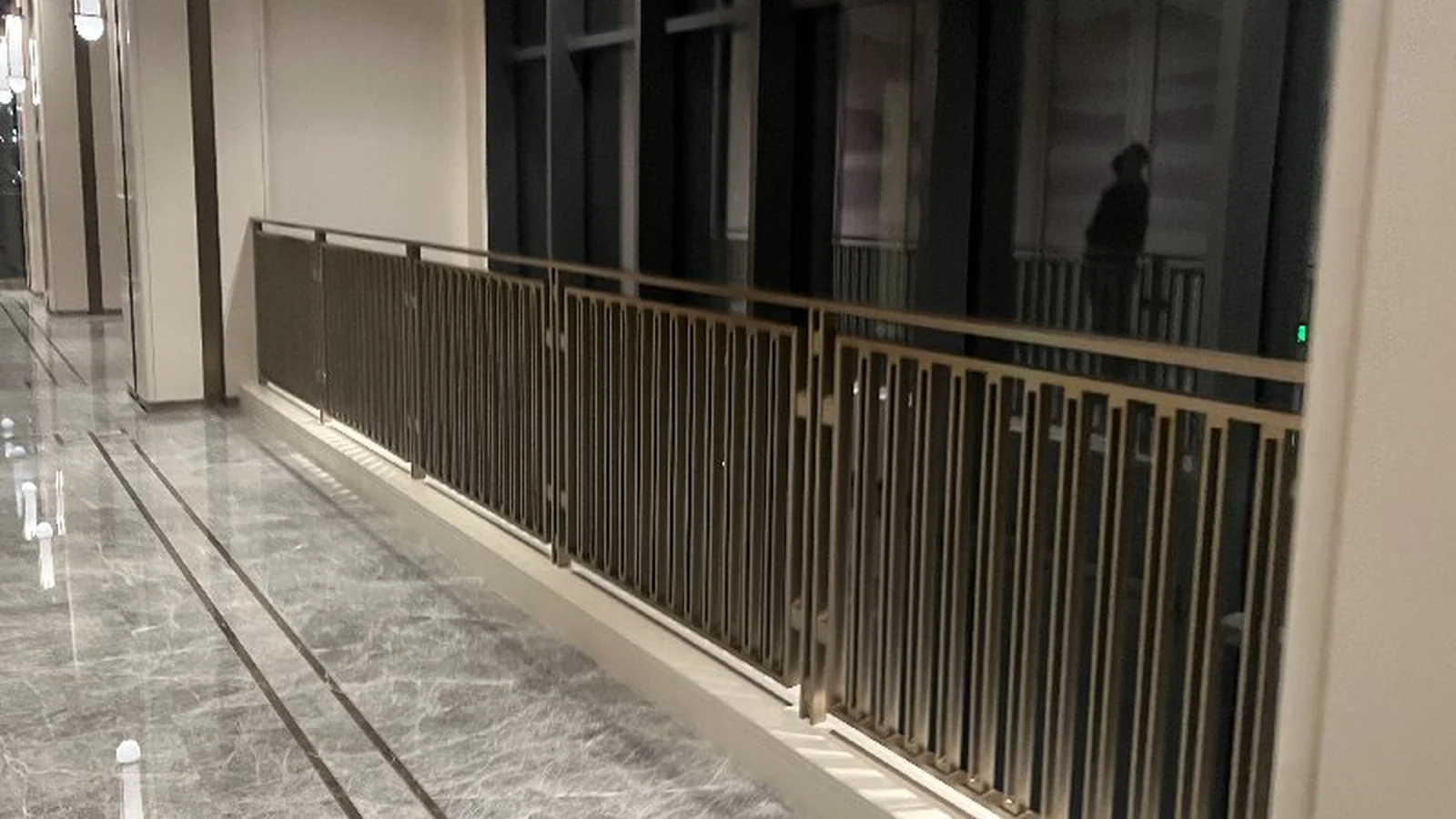
BORUI Guarda-corpo da varanda As opções incluem aço inoxidável 304, tubo de aço galvanizado a quente, liga de alumínio 6063-T5, vidro temperado laminado, placa metálica oca, cabo de aço e preenchimento com barras verticais de aço-zinco. Para projetos de guarda-corpos de segurança transparentes para varandas, o vidro temperado laminado pode ajudar a manter a vista desobstruída, reduzindo o risco de queda de fragmentos em caso de quebra. Para habitações sociais, escolas e apartamentos familiares, o preenchimento vertical pode ser mais fácil de inspecionar e manter.
A distância entre os postes da grade da varanda deve ser especificada como uma dimensão precisa, e não apenas descrita como "espaçamento de segurança". Os parâmetros para varandas da BORUI utilizam uma distância livre entre os postes verticais de no máximo 110 mm. Em áreas frequentadas por crianças, um espaçamento menor pode ser necessário. As grades de proteção para janelas da mesma linha de produtos têm uma faixa de espaçamento entre postes verticais de 80 a 110 mm, com opções de personalização para maior densidade de 60 mm e 90 mm para quartos infantis.
Aquisição Clista de infernização Fou Bsacada Guardrail Hoito
A verificação da altura deve ser feita antes que o fornecedor apresente o orçamento final do lote. Uma lista de verificação prática inclui o seguinte:
- Confirme o código local e o tipo de projeto: residencial, arranha-céu, hotel, escola, terraço público ou pódio comercial.
- Meça a partir do nível real do piso acabado, incluindo azulejos, decks, pavimentos ou impermeabilização.
- Verifique se floreiras, bancos, degraus ou plataformas elevadas reduzem a altura efetiva do guarda-corpo da varanda.
- Separe as áreas normais da varanda das áreas do terraço, do átrio, de locais com ventos fortes ou de grande concentração de pessoas.
- Pergunte se a altura do corrimão muda em cantos, rampas, conexões de escadas ou recuos da fachada.
Criado Ssuperfícies Cum Qsilenciosamente Rreduzir o Guardrail
O erro mais comum não é um desenho de fábrica incorreto, mas sim uma alteração arquitetônica de última hora. Um revestimento cerâmico mais espesso, um deck externo ou uma base para jardineira podem reduzir a altura efetiva de proteção após a fabricação do guarda-corpo. Quando isso acontece, o empreiteiro pode precisar de postes mais altos, seções adicionais de corrimão ou retrabalho na obra.
Para projetos mistos, o sacada/janela/corrimão da escada A categorização é útil porque os guarda-corpos de varandas, janelas e escadas podem exigir regras de altura diferentes, mesmo quando compartilham o mesmo estilo de fachada.
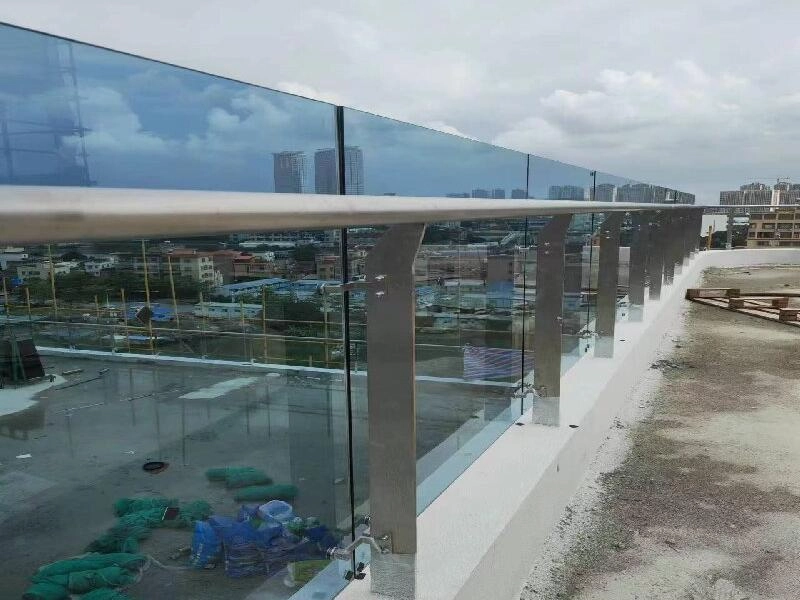
Aquisição Clista de infernização Fou EUnfill Gaplicativos e Cmembro Risks
A verificação do preenchimento vai além de um simples número em um desenho. O revisor precisa observar como o vão se comporta ao longo de toda a extensão do guarda-corpo: nos cantos, nas conexões dos postes, nos corrimãos inferiores, nas bordas do vidro, nas aberturas dos portões e nas transições para as paredes.
- Mantenha o vão do parapeito da varanda dentro do limite de abertura livre aprovado.
- Verifique o espaço inferior entre o piso acabado e o corrimão mais baixo ou a borda do vidro.
- Fique atento a elementos horizontais que podem se transformar em degraus para escalada.
- Confirme se os padrões decorativos não criam aberturas maiores dentro do painel.
- Inspecione as folgas laterais nas paredes, colunas e extremidades da fachada.
- Pergunte como as tolerâncias são controladas durante a instalação.
Pequeno Ecunha Ddetalhes Cmudar o Scharme Rresultado
Uma folga vertical pode estar dentro das normas no meio de um painel, mas ser excessiva na extremidade. Um painel de vidro pode passar pela revisão do projeto, mas deixar uma folga perigosa junto à parede porque a tolerância do local não foi verificada. Os cantos metálicos devem ser arredondados e polidos, sem saliências pontiagudas. A BORUI destaca repetidamente a importância de cantos suaves, pontos de conexão ocultos e componentes modulares para facilitar a substituição posterior.
Para projetos em que a prevenção de quedas em janelas faz parte do mesmo pacote, os sistemas de guarda-corpo para janelas oferecem uma comparação útil, pois abordam a segurança infantil, estruturas anti-arrombamento, ventilação e espaçamento mais restrito em ambientes sensíveis.
Material e FpousarCescolhas Ssegurar Fé o Eexposição
Os guarda-corpos de varandas ficam expostos ao ar livre. Estão sujeitos à chuva, raios UV, produtos químicos de limpeza, contato manual e, às vezes, maresia. A escolha do material deve ser adequada a essa exposição. Aço inoxidável 304/316, tubos de aço galvanizado a quente e liga de alumínio 6063-T5 são opções estruturais comuns nos dados da BORUI sobre guarda-corpos de varandas. Os tratamentos de superfície incluem pulverização de fluorocarbono, pintura eletrostática a pó e impressão por transferência de textura de madeira.
Corrosão Risk é um Pprojeto Ccondição
Para a varanda de um apartamento na cidade, alumínio com revestimento em pó ou aço inoxidável podem ser suficientes. Para um hotel à beira-mar, geralmente vale a pena discutir o uso de aço inoxidável 316 ou um tratamento anticorrosivo mais robusto. Para apartamentos em edifícios altos, a resistência à pressão do vento e a resistência à corrosão devem ser avaliadas em conjunto, pois movimentação, umidade e tensões de fixação frequentemente convergem na mesma base.
O acabamento não deve ser aprovado apenas com base em uma pequena amostra de cor. Para projetos residenciais e hoteleiros visíveis, solicite uma amostra que mostre o corrimão, o poste, o suporte, a tampa do parafuso, a borda do vidro (se houver) e a textura do revestimento. Essa amostra é mais fácil de avaliar do que uma imagem de catálogo.
Revisão do fornecedor antes que os desenhos entrem em produção.
A revisão final do processo de aquisição deve vincular uma lista de verificação de segurança à capacidade da fábrica. Para verificar os detalhes do guarda-corpo da varanda, é necessário solicitar os desenhos de projeto, incluindo altura, espaçamento entre os painéis, espaçamento entre os postes, método de fixação, material, tratamento de superfície, encaixe modular, embalagem, entre outros. Se o projeto utilizar vidro, também é preciso solicitar informações sobre a composição do vidro, acabamento das bordas, detalhes de suporte, entre outros, bem como o acesso para substituição.
FORTUNA A Metal Technology (Guangdong) Co., Ltd. está localizada em uma base de produção de 20.000 metros quadrados em Foshan, com 55 conjuntos de máquinas de produção profissionais e mais de 200 funcionários, incluindo pessoal de P&D. Seu escopo de serviços inclui design personalizado, amostragem e prototipagem, produção em larga escala, logística e manutenção pós-venda. Para compradores que comparam pacotes de guarda-corpos para varandas, a experiência da BORUI é muito útil, pois desenhos, amostras, acabamento superficial e consistência na entrega precisam estar alinhados. Os guarda-corpos para varandas são frequentemente usados em escadas internas, coberturas e áreas públicas de hotéis. Os guarda-corpos para escadas da BORUI também exigem atenção à altura do corrimão, suporte contínuo, detalhes arredondados, design anti-escalada, etc. Os compradores devem começar pelos guarda-corpos da BORUI e então... Enviar desenhos para revisão. antes da citação final.
Perguntas frequentes
P1: Qual a altura que os compradores devem especificar para o guarda-corpo da varanda?
A1: Pelo menos 1100 mm para edifícios residenciais e pelo menos 1200 mm para edifícios altos ou públicos. O código local e o nível do piso acabado ainda precisam de confirmação final.
Q2: Qual é o limite máximo comum para o vão entre os parapeitos de varandas?
A2: Utilize uma distância livre entre postes verticais de no máximo 110 mm. Áreas voltadas para crianças ou normas locais podem exigir um espaçamento menor.
P3: Os guarda-corpos de vidro para varandas devem ser feitos de vidro laminado temperado?
A3: O vidro temperado laminado é uma excelente opção quando a transparência é importante. Ele ajuda a manter os fragmentos unidos pela camada intermediária após a quebra, embora os detalhes da fixação ainda precisem ser cuidadosamente avaliados.
Postagens recentes
-
 Window Guardrail Height and Design Details for Safer BuildingsOctober 12, 2026
 -

-
PRODUTOS RELACIONADOS
Uma história de uma viagem fatídica que começou neste porto tropical a bordo deste pequeno navio que hoje permanece imóvel.
Contate-nos
Obtenha aconselhamento personalizado sobre guarda-corpos para escolher o sistema ideal e economizar dinheiro.


