

- Home
- Products
- Guardrail mesh
- Workshop isolation barrier
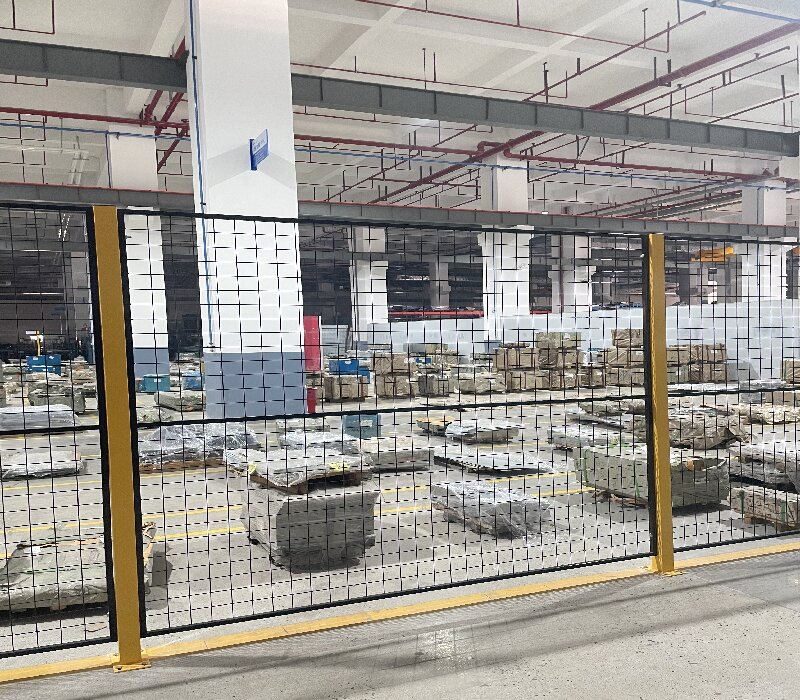
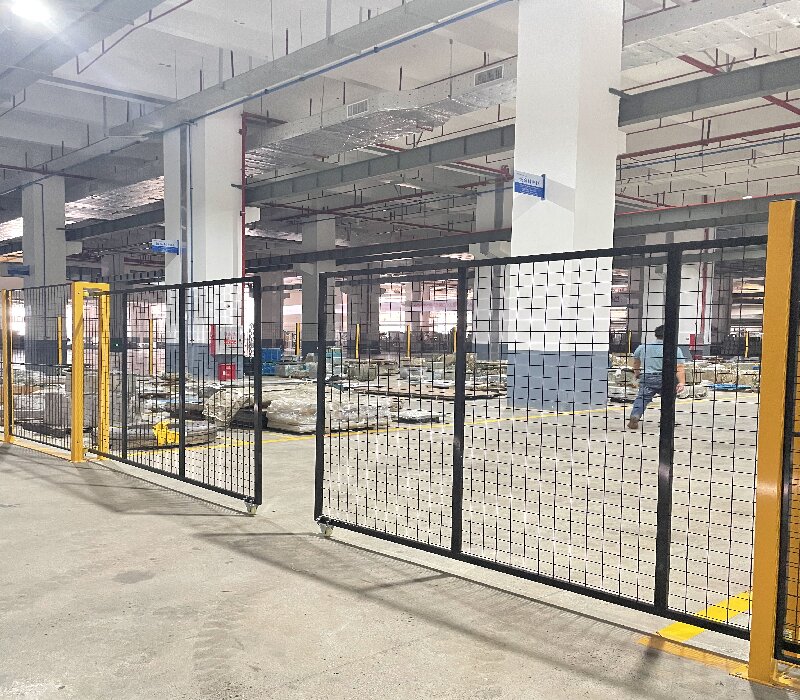
Workshop isolation barrier
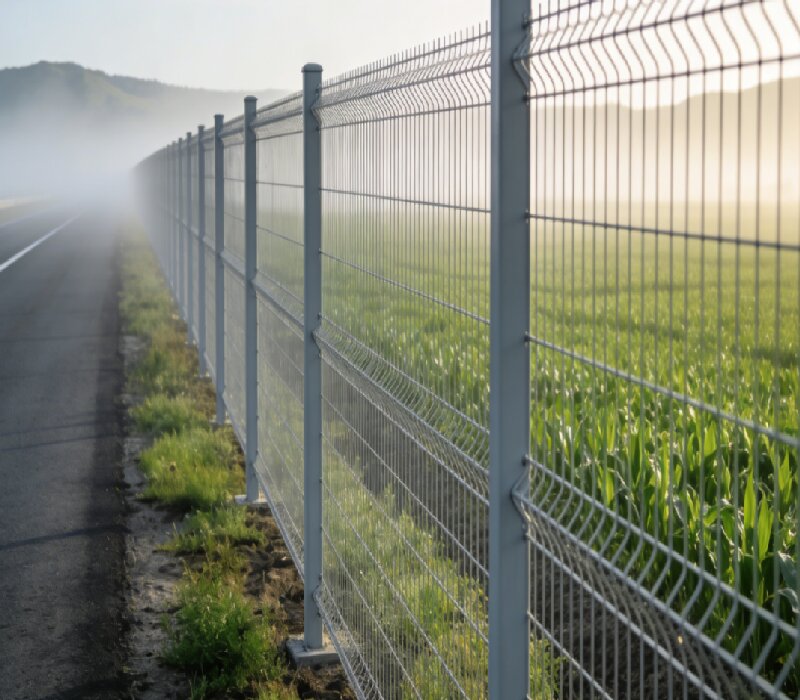
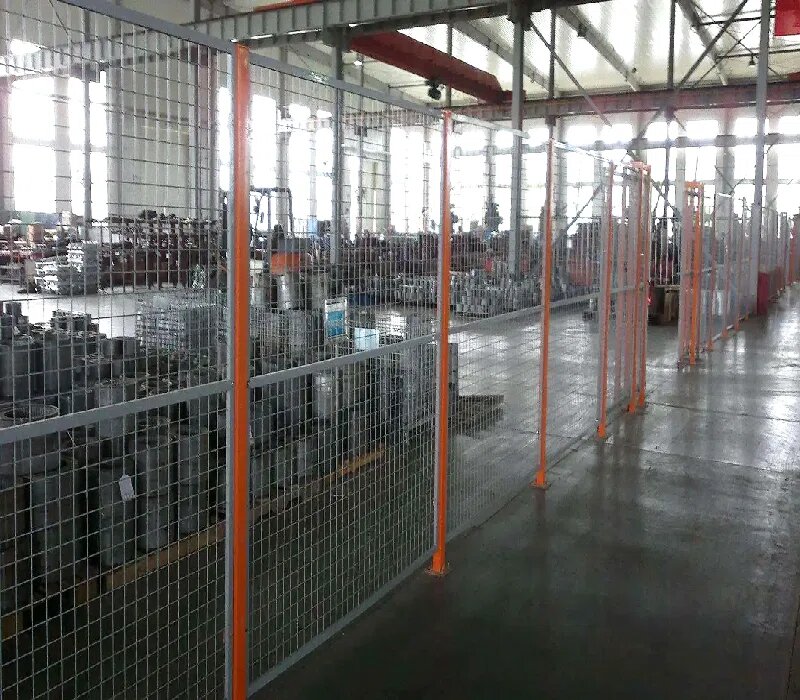
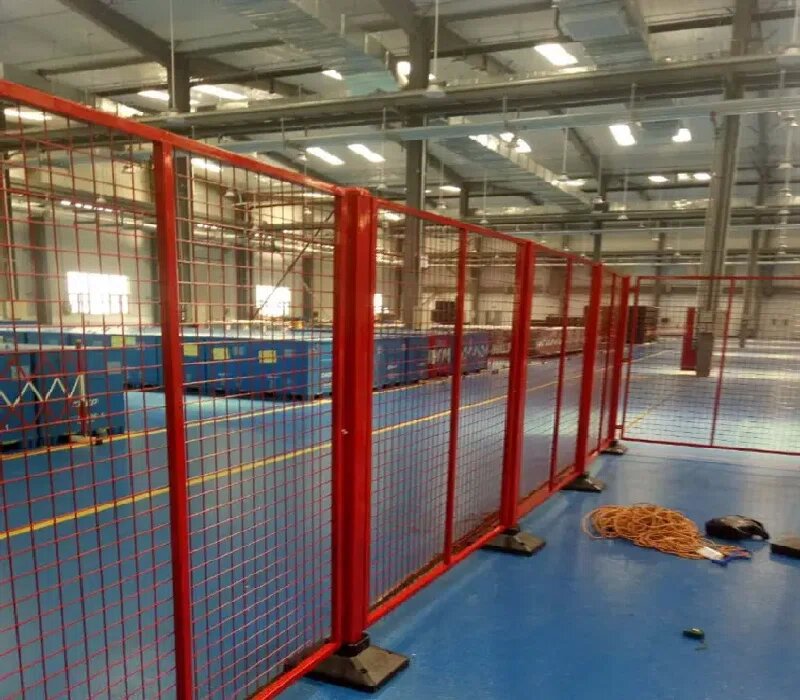
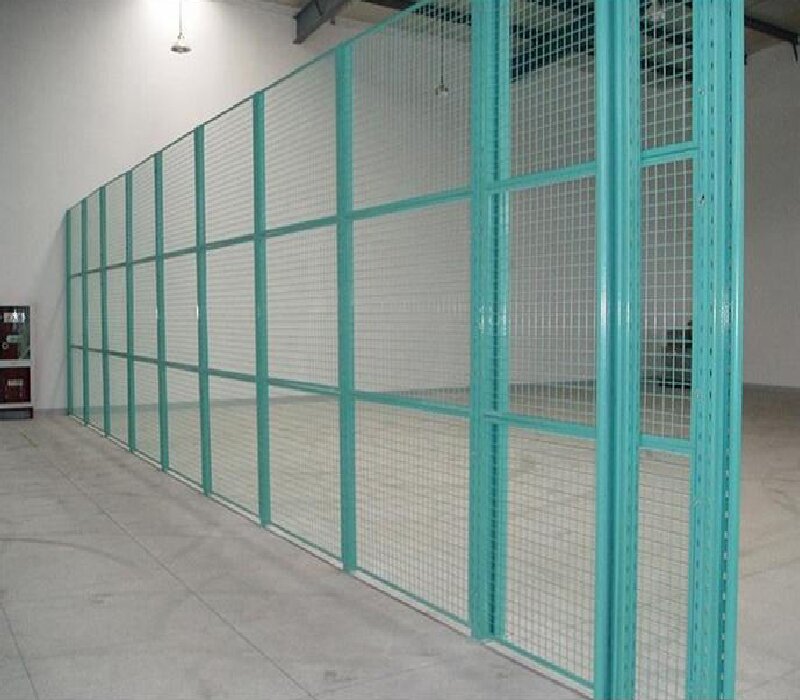
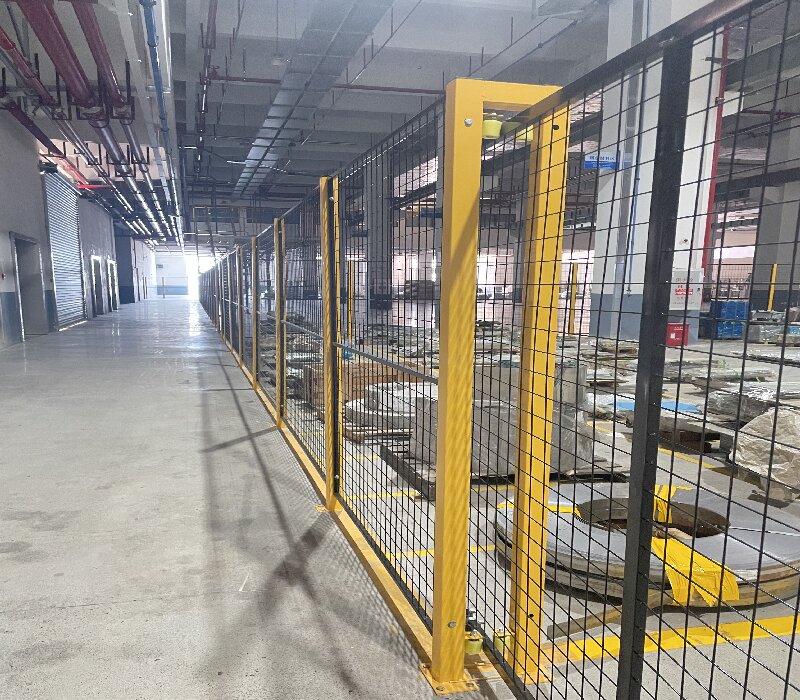
Workshop isolation fence is a modular and movable safety protection facility designed specifically for modern industrial production environments. It mainly adopts metal mesh and frame structure, and through modular combination, quickly divides different functional areas such as equipment area, operation area, channel and storage area in industrial places such as workshops and warehouses. Its core value lies in achieving the triple goals of physical isolation, safety protection, and space management: effectively preventing personnel from entering dangerous machinery areas, regulating logistics and pedestrian flow lines, isolating equipment to solve potential safety hazards, while enhancing the overall image of the workshop, assisting the enterprise's lean production and 5S management. This product combines good transparency, sturdy stability, and flexible repeatability, making it a key basic equipment for optimizing industrial layout and ensuring production safety.
-
Excellent physical protection and spatial planning capabilities
The mesh has good impact resistance, which can effectively prevent personnel from entering by mistake or equipment from accidentally moving. Its modular design allows for flexible combination according to workshop layout, quickly establishing clear area boundaries like "building blocks", optimizing space utilization, guiding logistics, and making production processes more orderly.
-
Strong transparency, conducive to visual management and monitoring
The grid structure ensures good transparency and visual field permeability. This not only reduces the dependence on workshop lighting, but also enables management personnel to monitor the operation and operation status of equipment in the isolated area in real-time and without blind spots, making it easier to detect and handle problems in a timely manner.
-
Flexible and convenient installation, reusable
The product supports multiple installation methods, which can be permanently fixed to the ground through expansion bolts, or an adjustable base can be used to adapt to uneven ground. More importantly, its modular component design allows the entire guardrail system to be easily disassembled, moved, and reassembled to meet production line adjustments, layout changes, and other requirements, achieving high economic and flexibility.
-
Safety warning and aesthetic decoration
The impregnated surface can provide various colors such as yellow, green, gray, etc. Bright colors (such as yellow) themselves have a strong warning effect, reminding personnel to pay attention to safety boundaries. At the same time, neat and uniform guardrails can also beautify the workshop environment and enhance the image of modern factories
-
Application
Industrial manufacturing workshop: used in automobile manufacturing, mechanical processing, semiconductor electronics and other factories to isolate hazardous or precision areas such as robot workstations, stamping equipment, assembly lines, etc., to prevent unrelated personnel from entering and ensure production safety. It is also used to divide the raw material area, the work in progress area, and the finished product area.
Logistics Warehousing Center: Used in e-commerce warehouses and distribution centers to separate different categories of shelves, packaging areas, shipping areas, and forklift channels, ensuring orderly stacking of goods, clear logistics flow, and improving warehousing efficiency and safety.
-
Application
Special operation area: used to enclose important facilities such as power distribution rooms, air compressor rooms, and hazardous chemical storage areas within the factory, serving as a dedicated safety barrier.
Commercial and other places: also commonly used in large supermarkets' back warehouse inventory areas, wholesale market stall partitions, and other occasions that require flexible space division.
-
With the development of industry, the product forms are constantly evolving, including foldable mobile isolation nets that can be quickly unfolded and retracted, and more modern punched plate isolation nets to meet the increasingly complex scene requirements.
In summary, the workshop isolation fence has evolved from a simple isolation facility to a comprehensive industrial equipment that integrates safety management, efficiency improvement, and spatial aesthetics. It is an indispensable component in building a smart, safe, and efficient modern factory.
Standard size:
Common width of mesh: 1.5 meters to 3 meters.
Overall common height: 1.2 meters to 3 meters, with 1.8 meters, 2.0 meters, 2.4 meters, and 3.0 meters being commonly used heights.
Door body: The standard configuration includes single or double sliding doors, with widths of 1.8 meters and 3 meters respectively, and is equipped with tracks and pulley systems.
Surface treatment process:
The standard process is hot-dip galvanizing (with a zinc layer thickness of not less than 80 μ m), followed by polyester powder spraying (spray coating) or PVC dipping. The thickness of the plastic layer is usually 0.25mm to 0.5mm or thicker, and can withstand salt spray testing for over 1000 hours.
RELATED PRODUCTS
Suitable for construction sites, residential areas, and landscapes; one-stop solution for railing installations.
Latest News
Latest news about guardrails.


Our Services
Our Services

Barrier Use Scenario Consultation/Barrier Customization
The factory supports you to customize a unique barrier style, and professional consultants will answer your questions and provide you with barrier style advice more suitable for your scene, providing you with the best solution.

Free quotation service
Arrange quotation according to your scheme requirements and provide you with free quotation scheme and optimization scheme.

After-sales service
Provide after-sales service. Our company will provide you with solutions for product problems.
Contact Us
Get personalized guardrails advice for system choice & savings.


