

- Home
- Products
- Guardrail mesh
- High speed isolation barrier guardrail
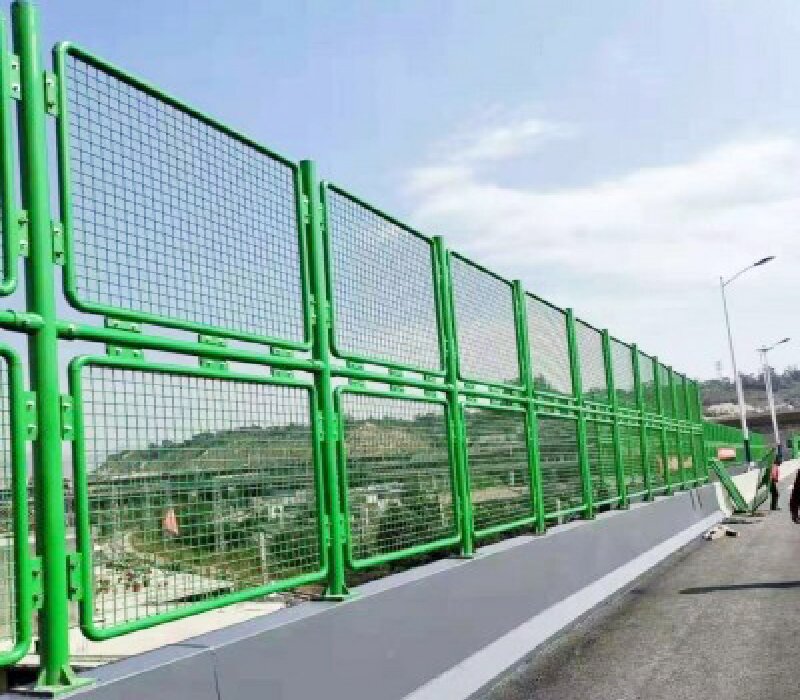
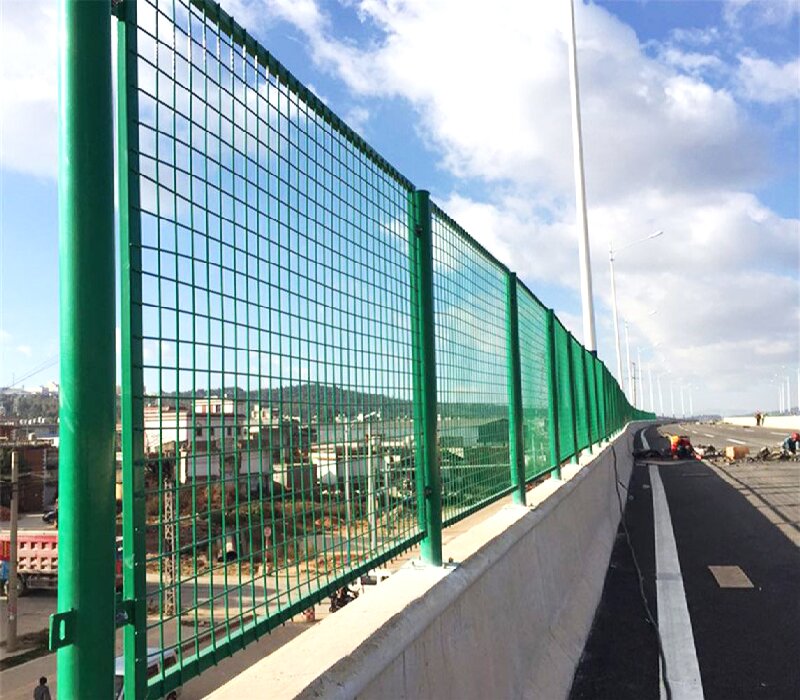
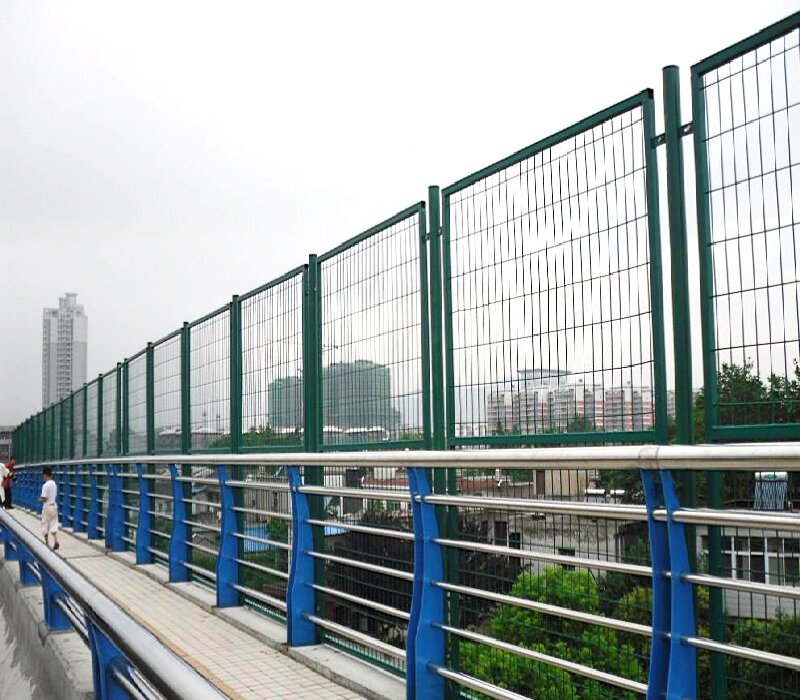
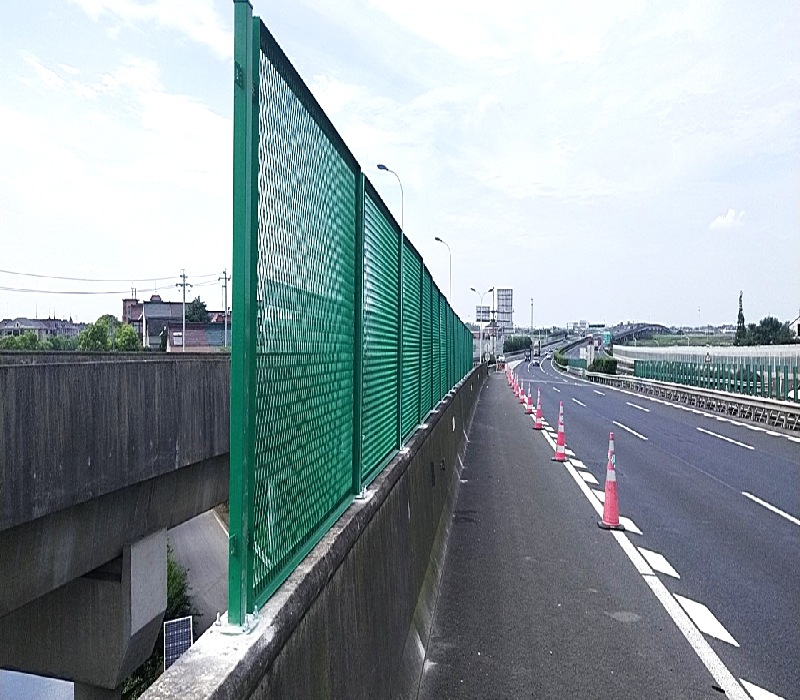
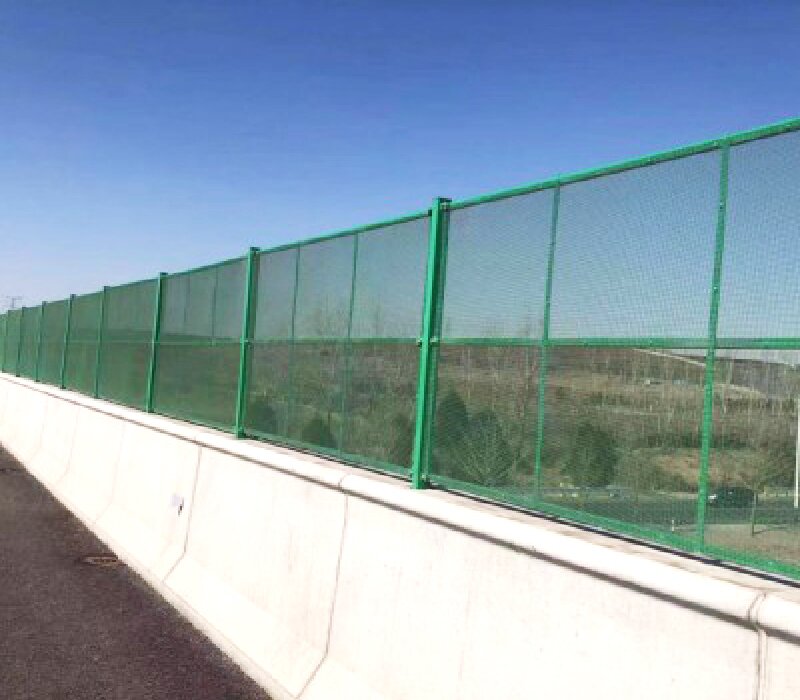
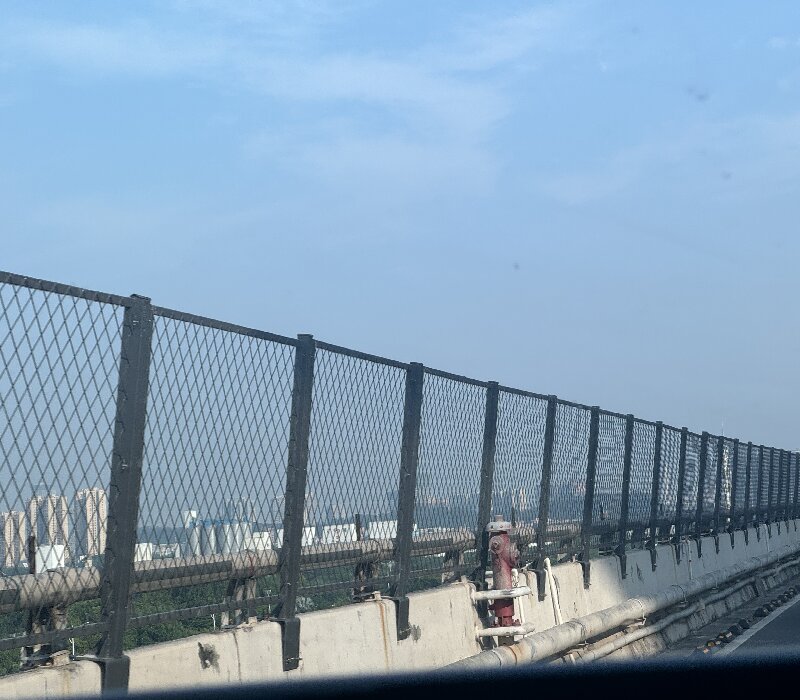
High speed isolation barrier guardrail
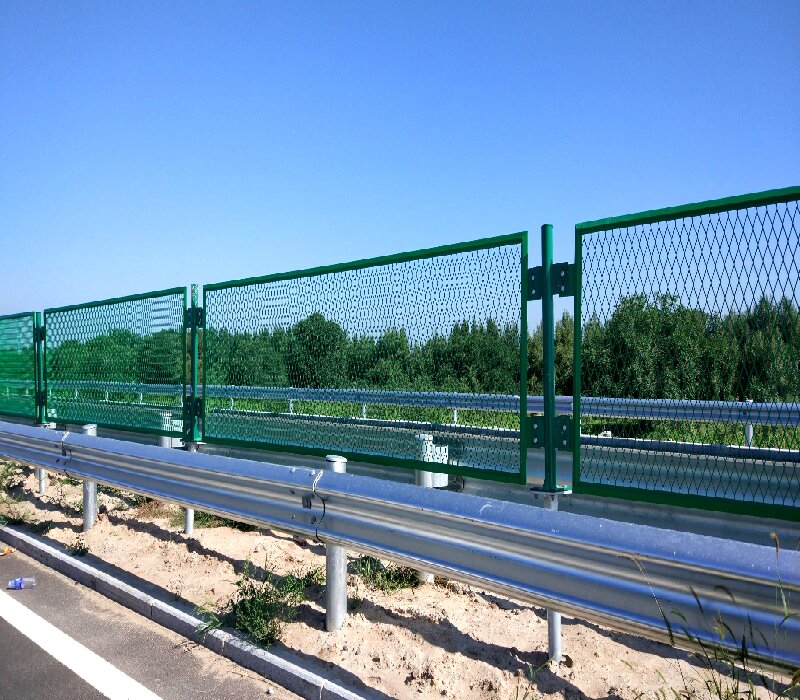
Highway isolation barriers are the most core and widely used passive protection system in highway traffic safety facilities. It mainly refers to rigid or semi-rigid guardrails continuously set along both sides of the main highway and the central median. Its core function is to absorb collision energy through self deformation, force the direction of out of control vehicles, and effectively prevent vehicles from crossing the boundary (rushing out of the road or crossing the median), thereby minimizing the severity of accidents and protecting the safety of drivers and passengers. According to the different levels of protection, structural forms, and installation locations, it is mainly divided into two categories: roadside guardrails and median barriers. In terms of materials, mainstream products include corrugated steel guardrails (double wave/triple wave), concrete guardrails (New Jersey/F-type), and steel cable guardrails (flexible). Among them, corrugated steel guardrails are widely used worldwide due to their good protective performance, moderate cost, and aesthetics.
-
Firstly, its core advantage lies in its graded collision protection performance.
Modern guardrail design follows the concept of "fault tolerance", and different anti-collision levels of guardrails are configured according to the risk level of different road sections (such as design speed, roadside danger level, traffic volume).
-
Secondly, its structure and material design are scientific and reliable.
Taking the most common waveform beam steel guardrail as an example, its core components - corrugated steel plates (waveform beam plates), columns, and blocking blocks (or brackets) - constitute a sophisticated energy management system. When a vehicle collides, the corrugated beam absorbs energy through deformation, the column consumes energy through bending or breaking, and the anti blocking block prevents wheel tripping and assists in guiding.
-
Thirdly, it has guiding and buffering functions.
A good guardrail system not only prevents vehicles from crossing, but also enables out of control vehicles to smoothly return to the lane along the guardrail surface through reasonable geometric design. This process is called "guidance". This avoids severe rotation or overturning of the vehicle due to rigid collisions, greatly improving passenger safety in accidents.
-
Finally, from the perspective of the entire lifecycle, its economy and maintainability are outstanding.
After the waveform beam guardrail is damaged, it usually only needs to replace local components (such as a single section of beam or a few columns), without the need for large-scale renovation, which is convenient to repair and cost-effective. Its standardized production also ensures quality and supply stability.
-
Core applications divided by location:
Roadside guardrail: installed at the edge of the highway subgrade. The required scenarios include: road sections with embankment heights exceeding 3 meters (or bridge approach road sections); Road sections with extremely small curve radii and deep ditches or cliffs on the outer side; Road sections that are parallel to and too close to railway, important pipelines, and other facilities; Triangular areas at the exits of highway service areas and parking areas.
Central median barrier: installed in the center of a highway to prevent vehicles from crossing into the opposite lane. In principle, the median of all two-way highways and first-class highway must be set continuously. According to the width of the divider and the requirements of the anti-collision level, split type double wave beam guardrails (with anti blocking blocks), combined wave beam guardrails, or concrete guardrails can be selected.
-
Selection based on protection level:
General road section (Class A): Standard double beam guardrail is used.
High risk road sections (SB, SA level): such as long steep slopes, sharp turns, near deep water or elevated bridge sections, use three wave beam guardrails or reinforced concrete guardrails.
Special bridge section (SS level): The guardrail on a super large bridge has the highest protection level, often using metal beam column bridge guardrails or specially designed high-strength concrete guardrails.
In addition, at the ramp diversion end of the interchange and the front end of the toll plaza, it is necessary to install collision pads (energy dissipation tubes) with stronger guidance and buffering capabilities as a supplement to the guardrail system. It can be said that isolation barriers are the backbone of the "life protection engineering" network of highways, and their scientific setting directly affects the safety operation level of the road.
Wave shaped beam steel guardrail (taking mainstream Gr-A-4E grade, i.e. roadside A-level double wave guardrail as an example):
Main components: corrugated beam and slab: typically 310mm x 85mm x 3mm/4mm (length x width x thickness) continuous corrugated steel plate, with a length of 4320mm.
Column: commonly used round steel pipe columns with a diameter of 140mm x 4.5mm, or square steel pipes or H-shaped steel columns of corresponding specifications. Drive into soil foundation or install on concrete foundation through flange.
Anti blocking block: used to connect beams, slabs, and columns. The standard model is 300mm x 200mm x 290mm (length x width x height), with a thickness of 3mm.
Surface treatment: Hot dip galvanizing must be used, and the requirements are extremely high. The average zinc layer quality of main components such as beams, columns, and blocking blocks is required to be no less than 600 g/㎡, 1100 g/㎡, and 350 g/㎡, respectively. Alternatively, galvanizing can be followed by polyester spraying to enhance weather resistance and aesthetics.
Mechanical and protective performance: must be verified through full-scale collision tests on real vehicles.
RELATED PRODUCTS
Suitable for construction sites, residential areas, and landscapes; one-stop solution for railing installations.
Latest News
Latest news about guardrails.


Our Services
Our Services

Barrier Use Scenario Consultation/Barrier Customization
The factory supports you to customize a unique barrier style, and professional consultants will answer your questions and provide you with barrier style advice more suitable for your scene, providing you with the best solution.

Free quotation service
Arrange quotation according to your scheme requirements and provide you with free quotation scheme and optimization scheme.

After-sales service
Provide after-sales service. Our company will provide you with solutions for product problems.
Contact Us
Get personalized guardrails advice for system choice & savings.


