

- Home
- Products
- Guardrail mesh
- Bridge anti throwing net guardrail

Bridge anti throwing net guardrail
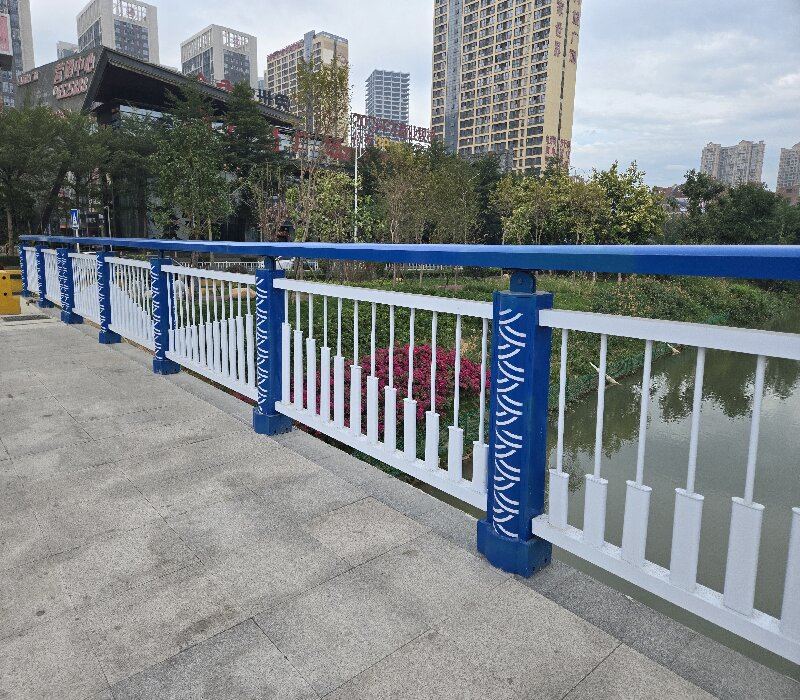
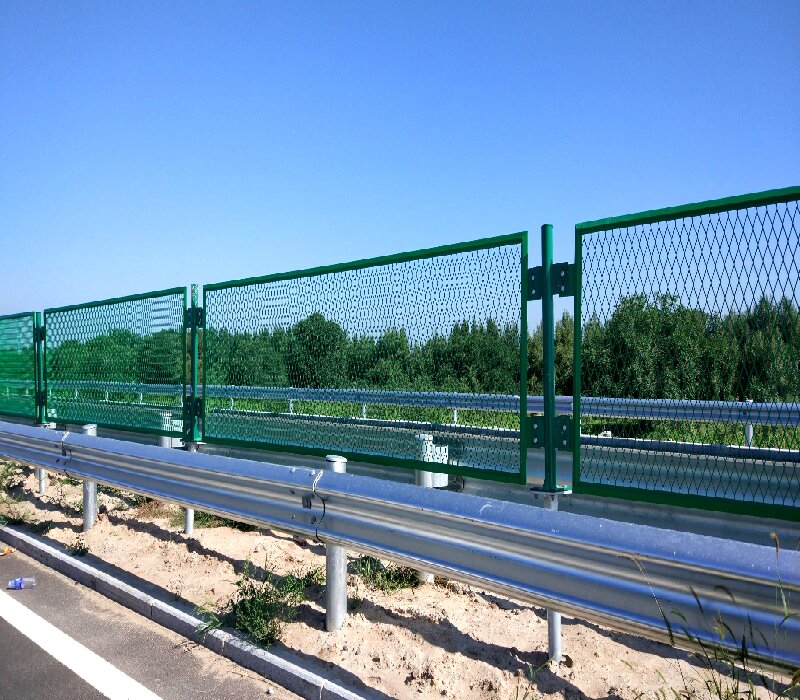
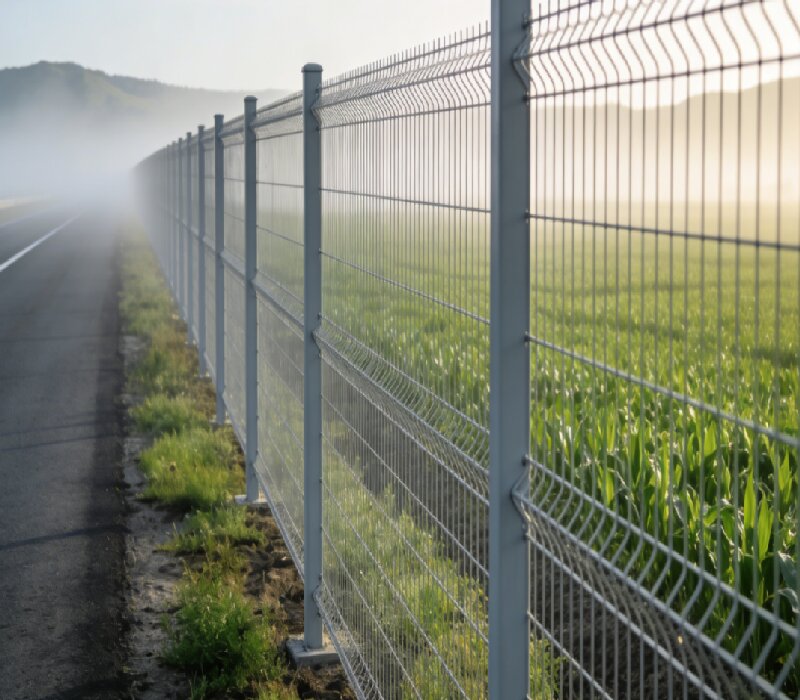
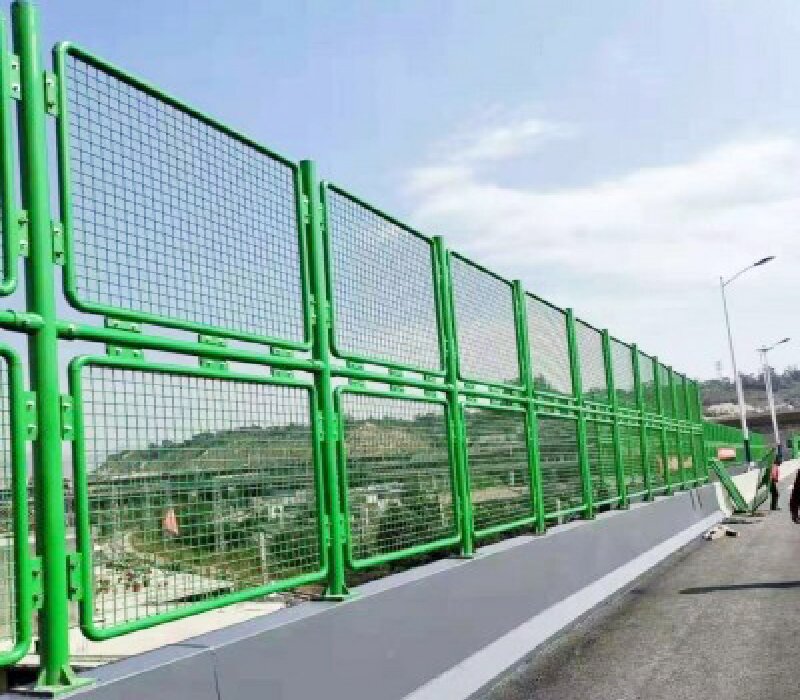
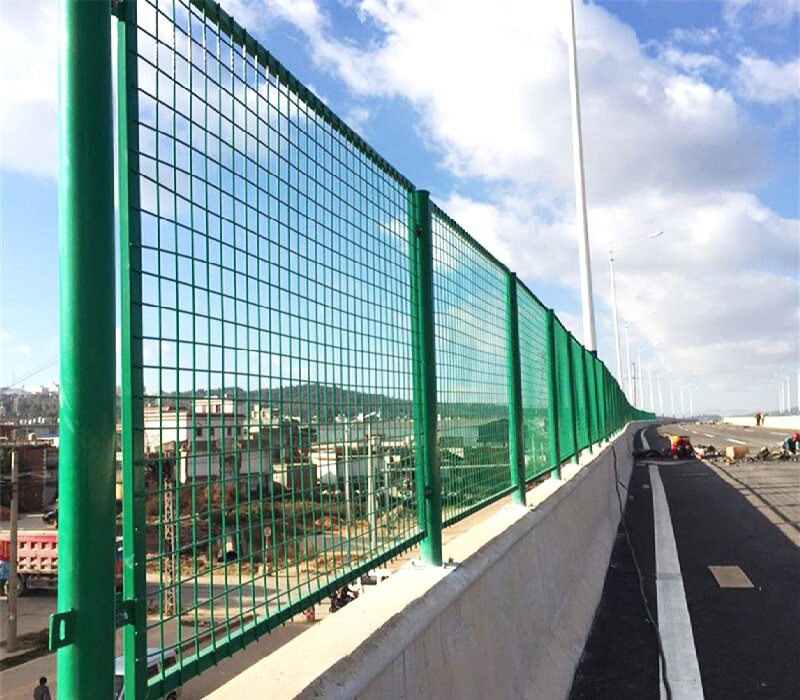
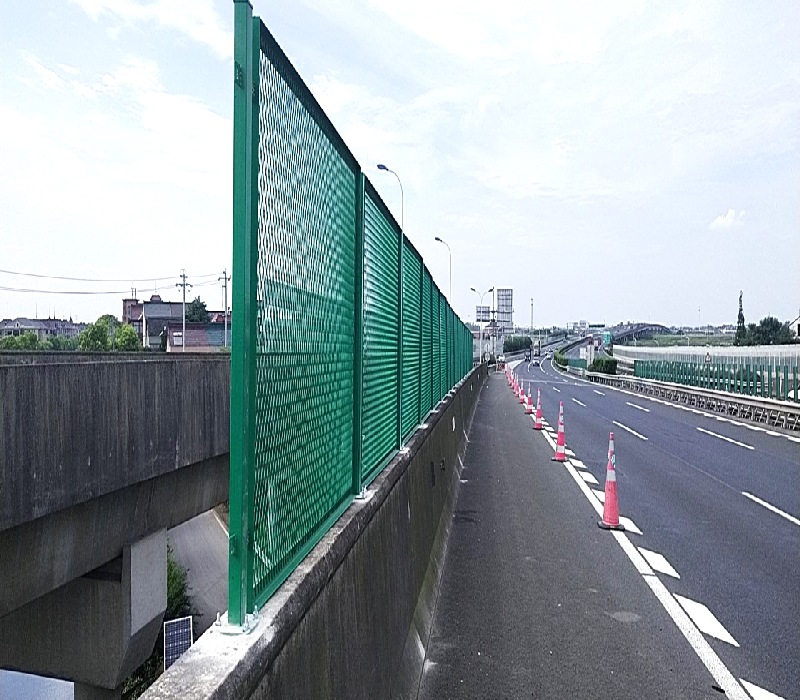
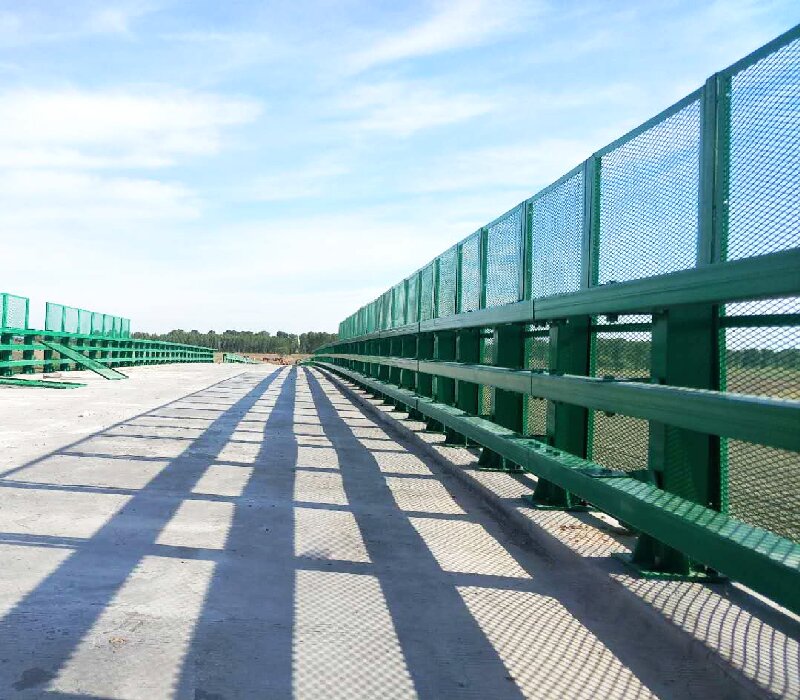
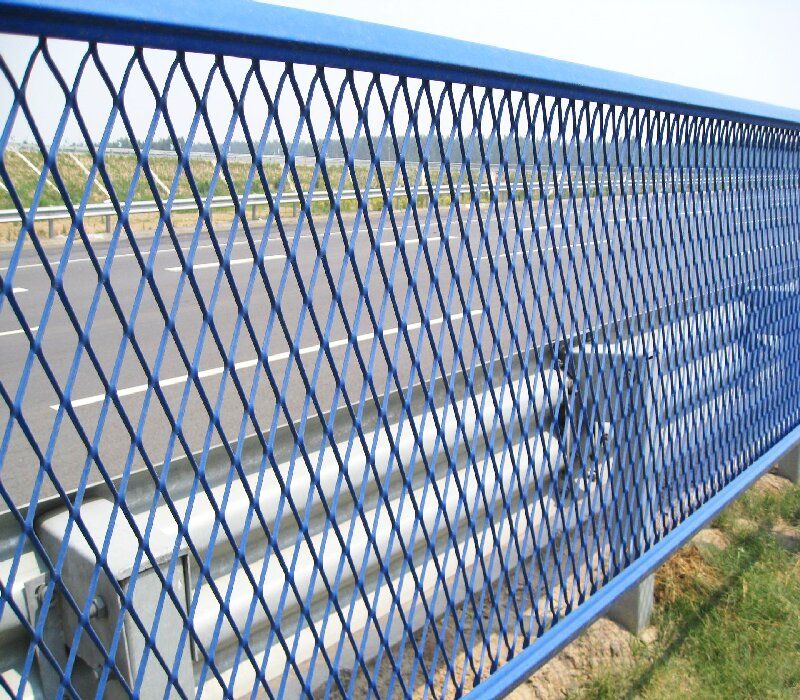
Bridge anti throwing net guardrail is a safety protection facility designed specifically for various types of highway bridges, railway bridges, urban overpasses, and pedestrian overpasses on both sides or in the central divider. Its core function is to construct a sturdy aerial safety barrier, effectively preventing pedestrians, passengers, or vehicles from accidentally falling or throwing debris, garbage, and other objects from the bridge deck, ensuring absolute safety of the roads, railways, waterways, or pedestrians below, while preventing lightweight objects from being swept away by strong winds. The product usually adopts a metal mesh structure, which strives for lightweight structure, transparent view, and beautiful appearance while meeting extremely high safety protection standards, in order to minimize the impact on the structural load of the bridge itself and reduce the visual pressure on drivers and passengers.
-
Firstly, its core protective performance is excellent.
A physical defense line is formed by a high-strength metal mesh, and the mesh size is precisely designed to intercept the vast majority of objects that may fall, thereby completely eliminating the risk of secondary traffic accidents or personal injury caused by falling objects. It is an indispensable "life protection net" in bridge operation.
-
Secondly, it has excellent structural adaptability and safety.
The product design fully considers the particularity of the bridge environment. The wind load generated by its lightweight grid structure is much smaller than that of the solid baffle, making it more friendly to the main structure of the bridge. At the same time, the sturdy overall structure can withstand certain unexpected impacts. The metal mesh also ensures good transparency, allowing drivers and passengers on the bridge to enjoy the scenery outside without feeling oppressed like being in a tunnel, thereby improving driving comfort.
-
Thirdly, it has long-lasting durability and easy maintenance.
The bridge environment is harsh, facing constant exposure to sunlight, rain, exhaust corrosion, and vibration tests. Therefore, guardrails commonly use heavy-duty anti-corrosion processes such as hot-dip galvanizing, stainless steel, or "galvanizing+spray coating/dipping". For example, the zinc content of hot-dip galvanized layer is usually not less than 275 grams per square meter, ensuring a corrosion resistance life of more than 15 years. This durability greatly reduces maintenance costs throughout the entire lifecycle. The modular design also makes it fast and economical to replace damaged parts locally.
-
Finally, its appearance combines functionality and aesthetics.
The anti throwing net is not a simple functional component. Its regular grid lines, diverse shapes (such as wavy and framed), and customizable colors can harmoniously blend with different types of bridge architectural styles (modern cable-stayed bridges, classical arch bridges, etc.), becoming an organic part of bridge landscapes.
-
Application
The main applications are various types of highway and railway bridges. Whether it is an overpass crossing other roads, a bridge crossing rivers and streams, or an elevated bridge crossing the city, as long as there are people, vehicles or waterways passing under the bridge, anti throwing nets must be installed on both sides and the central divider, which is a mandatory safety requirement.
Secondly, it is suitable for urban pedestrian overpasses and elevated sections of rail transit. Protect pedestrians and vehicles on the street below, and prevent objects from falling onto the track and affecting operations.
-
Application
In addition, some special bridge sections also need to be emphasized, such as sections that pass through residential areas or above schools, sections that cross highways or railway lines, and the outer side of observation platforms or parking maintenance zones for large bridges.
Finally, its design concept has also been extended to other public facilities that require high-altitude falling object protection, such as sound barrier tops along highways and railways, substation platforms, and roof enclosures of large venues or facilities, playing a similar three-dimensional safety protection role.
In terms of surface treatment, the standard anti-corrosion treatment is hot-dip galvanizing, and the required amount of galvanizing is not less than 275 grams per square meter. For environments with high landscape requirements or stronger corrosiveness (such as coastal areas and industrial zones), hot-dip galvanizing can be used followed by polyester electrostatic spraying or PVC dipping. The thickness of the plastic layer is generally not less than 0.3 millimeters, and the color can be customized according to needs.
In terms of connection and installation, columns are usually made of square or circular steel pipes, which are connected to the mesh frame through high-strength bolts or special assembly type buckle structures to achieve fast and secure installation. All connecting components must undergo anti-corrosion treatment to the same standard.
RELATED PRODUCTS
Suitable for construction sites, residential areas, and landscapes; one-stop solution for railing installations.
Latest News
Latest news about guardrails.


Our Services
Our Services

Barrier Use Scenario Consultation/Barrier Customization
The factory supports you to customize a unique barrier style, and professional consultants will answer your questions and provide you with barrier style advice more suitable for your scene, providing you with the best solution.

Free quotation service
Arrange quotation according to your scheme requirements and provide you with free quotation scheme and optimization scheme.

After-sales service
Provide after-sales service. Our company will provide you with solutions for product problems.
Contact Us
Get personalized guardrails advice for system choice & savings.


