
 author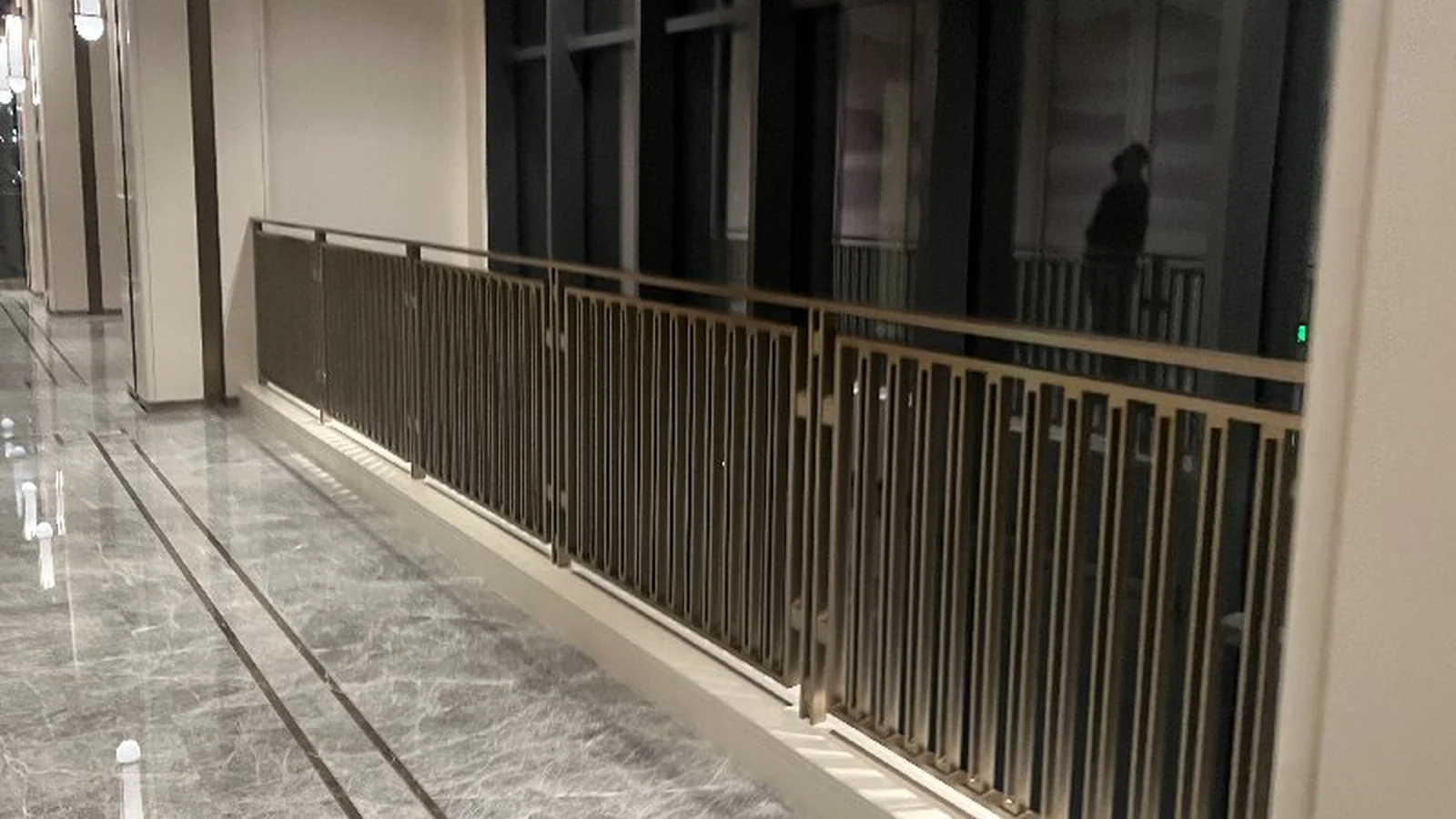



- Home
- Blog
- INDUSTRY BLOGS
- Window Guardrails for Child Safety Without Blocking Light and Ventilation
Window Guardrails for Child Safety Without Blocking Light and Ventilation
-
 author
 - August 17, 2026
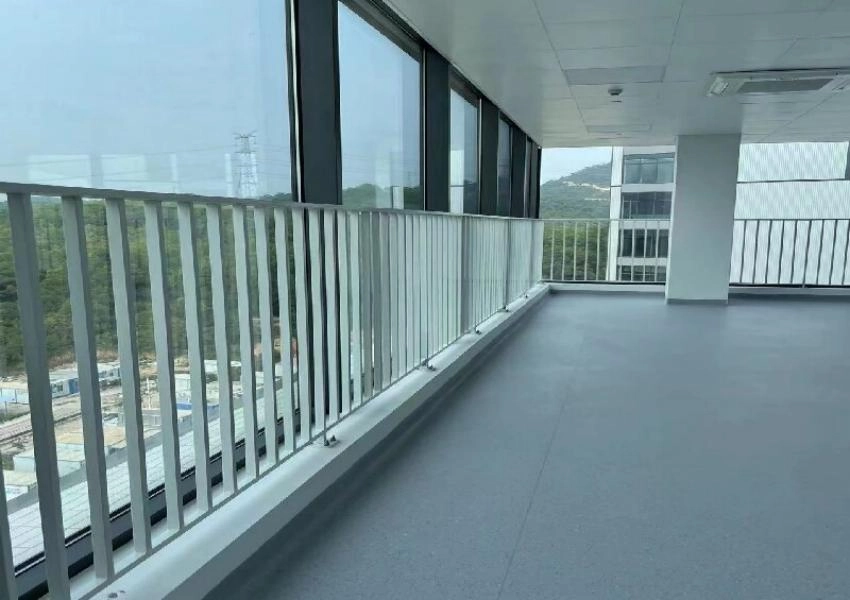
Open windows are a small daily comfort, but in apartments, schools, hotels, and family housing, they can also become a serious fall risk. Screens help with insects, not with a child leaning, climbing, or pushing near an open sash. A window guardrail for child safety has to solve that risk without turning the room into a dark, airless cage.
That balance matters for buyers. A child safety window guard may look simple in a photo, yet the real decision sits in the spacing, fixing method, opening type, surface finish, and how the guard works with the window frame. If the product blocks too much daylight, tenants complain. If it is too easy to climb, the safety value drops. If it cannot be opened or removed where emergency access is required, the project may fail local review.
Why Light And Airflow Matter In Child Safety Design
Window fall protection is not only about placing metal bars across an opening. In residential projects, the guard is part of a room people use every day. It sits beside curtains, window handles, air conditioners, cleaning access, furniture, and sometimes escape routes. A heavy anti-theft cage may reduce fall risk, but it can also block light, trap heat, and make a child’s room feel closed in.
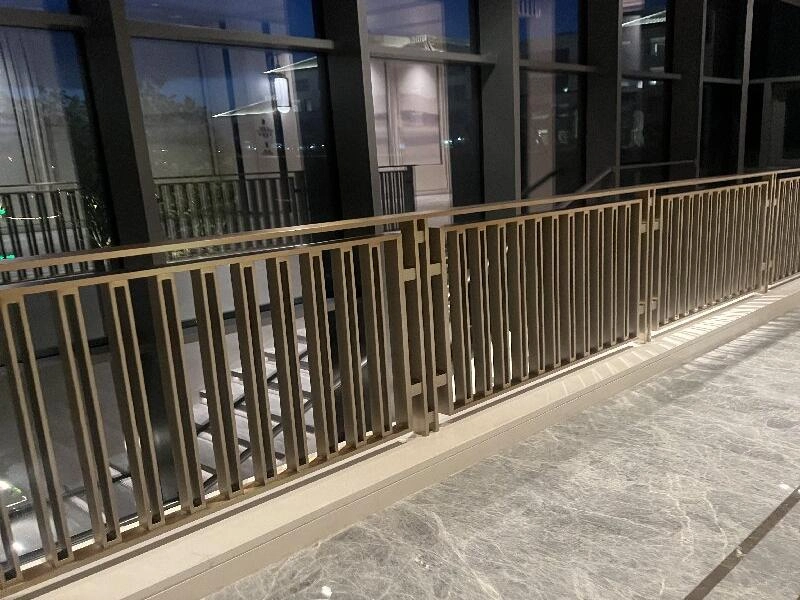
Modern window guardrail design works better when the protective frame is slim, the vertical members are clean, and unnecessary horizontal members are reduced. BORUI’s window guardrail product is built around that idea: preventing falls, improving anti-intrusion protection, and keeping lighting, ventilation, and visual transparency in mind. For project buyers, that gives a useful starting point. The residential window guardrail should protect the opening, but it should still let the window behave like a window.
Start With The Room, Not Just The Opening
Different rooms need different decisions. A bedroom used by young children may need tighter spacing and an internal lock. A hotel room may need a cleaner visual line. A hospital or nursing home may need simple operation and emergency access. A coastal apartment may need stronger corrosion resistance than an inland rental unit.
Good specifications name the room type, floor height, window type, opening direction, expected airflow, and cleaning access. Without those details, the supplier can only quote a generic window guardrail for child safety, and the project team may discover the mismatch after samples arrive.
Spacing, Height, And Anti-Climb Details Buyers Should Check
Window railing spacing is one of the first numbers to confirm. BORUI’s window guardrail has a protection height range of 900-1200 mm, with vertical pole spacing of 80-110 mm and tighter custom spacing down to 60 mm. For children’s room windows, encrypted spacing of no more than 90 mm with internal locks. Those figures give buyers a practical way to separate a decorative metal window safety railing from a real child safety product.
Local rules still come first. Some markets use a four-inch or four-and-a-half-inch opening limit for approved window guards or limiting devices. Other projects follow building code height and spacing rules written in metric units. The safest procurement approach is simple: check the local code, then ask the supplier to match the drawing, spacing, locking style, and installation hardware to that code before mass production.
Avoid A Ladder-Like Layout
An anti-climb window guard should not invite a child to use it as a small ladder. Dense horizontal bars may look strong, but they can create footholds. Vertical bars, slim profiles, smooth corners, and fewer horizontal climb points usually make more sense for child safety. Stair and public-building guardrail designs often use anti-climb structures for the same reason: children test edges differently from adults.
Corners deserve the same attention. Sharp welded edges, exposed screws, and rough cut ends create snagging and injury risks. For schools, kindergartens, children’s rooms, and family housing, ask for rounded or smoothed details, concealed or tamper-resistant fixings, and a sample that can be checked by hand before batch approval.
Keep Ventilation Practical, Not Theoretical
A residential window guardrail may still frustrate users if it blocks window movement, cleaning, or curtain operation. This is where design type matters. Fixed protection can work for many high-rise windows, but some rooms need flat-opening, sliding, folding, or detachable designs. BORUI’s window guardrail options include these opening approaches, along with modular combinations of fixed protection and movable window sashes.
For buyers, the key question is not just “does it open?” It is how it opens after installation. Can an adult operate it without special tools? Is the lock away from a small child’s reach? Does the guard interfere with the handle? Can maintenance teams clean the glass? If an air conditioner or external shade is present, does the final opening still stay within the allowed safety gap?
Think About Furniture And Climbing Paths
Even a well-made guard can be weakened by poor room planning. Beds, chairs, cabinets, and desks placed under windows create a climbing path. A residential project specification should pair window fall protection with simple layout guidance: keep movable furniture away from protected openings, keep the guard secure, and check locks during maintenance visits.
This is especially important in apartments and serviced residences, where the final furniture layout may be decided after the metalwork is installed. Developers and property managers should not treat the guard as the only safety layer. It is one part of the room’s risk control.
Materials And Finishes That Suit Residential Projects
Material choice affects safety, appearance, and maintenance. Stainless steel 304 or 316 is often chosen where corrosion resistance and a cleaner finish are important. Aluminum alloy 6063-T5 gives a lighter profile and can suit projects that care about daylight and facade lines. Zinc steel can provide a strong, cost-aware option when the substrate, coating, and corrosion treatment are clearly specified.
BORUI’s window guardrail specifications include stainless steel pipe wall thickness of at least 1.2 mm, column wall thickness of at least 1.5 mm, aluminum alloy main load-bearing member wall thickness of at least 1.4 mm, and zinc steel substrate thickness of at least 1.2 mm with triple anti-corrosion treatment. Surface choices include electrostatic powder coating, fluorocarbon coating, and metal electrophoresis. These details are not just factory language. They affect how the guard looks after years of cleaning, sun exposure, rain, and hand contact.
Where balcony openings or terrace edges connect to window areas, buyers can also compare the guard with balcony guardrail systems. Balcony rails often share the same need for clear views, fall prevention, corrosion resistance, and safe vertical gaps. For internal stairs or split-level homes, staircase guardrail design adds another reference point, especially around anti-climb structure, rounded grip areas, and child-friendly spacing.
What To Ask A Supplier Before Ordering
The middle of the buying process is where many small problems appear. A buyer may approve a clean product photo, then receive a sample with the wrong spacing, heavy bars, visible screw heads, or a coating color that fights the facade. A better RFQ should ask for the following:
- shop drawings with height, width, bar spacing, opening direction, fixing points, and lock position
- material grade, wall thickness, coating process, and color sample
- child-safety spacing options, including tighter spacing for children’s rooms
- anti-climb layout notes and smooth-edge treatment
- installation method for concrete, masonry, aluminum window frames, or retrofit projects
- packing method, spare parts, and maintenance guidance
BORUI operates a 50,000-square-meter production base in Foshan, with 55 professional machines and more than 200 employees, including R&D staff. The service process covers customized design, sampling, production, logistics delivery, and after-sales support. For apartment blocks, villas, schools, or renovation projects, that setup can help keep samples, drawings, finishes, and repeat orders close to the approved version.
If the project has mixed window types or local safety code questions, it is better to contact the sales team before the final quotation. Send photos, window sizes, floor level, frame material, target spacing, color requirements, and whether the guard must be fixed, openable, sliding, folding, or detachable. Clear information at the start saves rework later.
Frequently Asked Questions
Q1: What spacing is safer for a child safety window guard?
A1: BORUI’s window guardrail range has 80-110 mm vertical pole spacing, with tighter custom spacing down to 60 mm. Children’s room windows can use encrypted spacing of 90 mm or less, but local code should decide the final limit.
Q2: Will a metal window safety railing block too much daylight?
A2: It should not if the design uses slim profiles, mainly vertical members, and a layout matched to the window size. Heavy horizontal bars and oversized frames usually create more visual blockage than needed.
Q3: Can BORUI customize window guards for apartments, villas, or schools?
A3: Yes. BORUI supports customized design, sampling, production, delivery, and after-sales service. Buyers should provide window drawings, spacing requirements, opening style, material preference, coating color, and installation conditions.
Recent Posts
-
 Window Guardrail Height and Design Details for Safer BuildingsOctober 12, 2026
 -

-
RELATED PRODUCTS
A tale of a fateful trip that started from this tropic port aboard this tiny ship today stillers
Contact Us
Get personalized guardrails advice for system choice & savings.


