
 author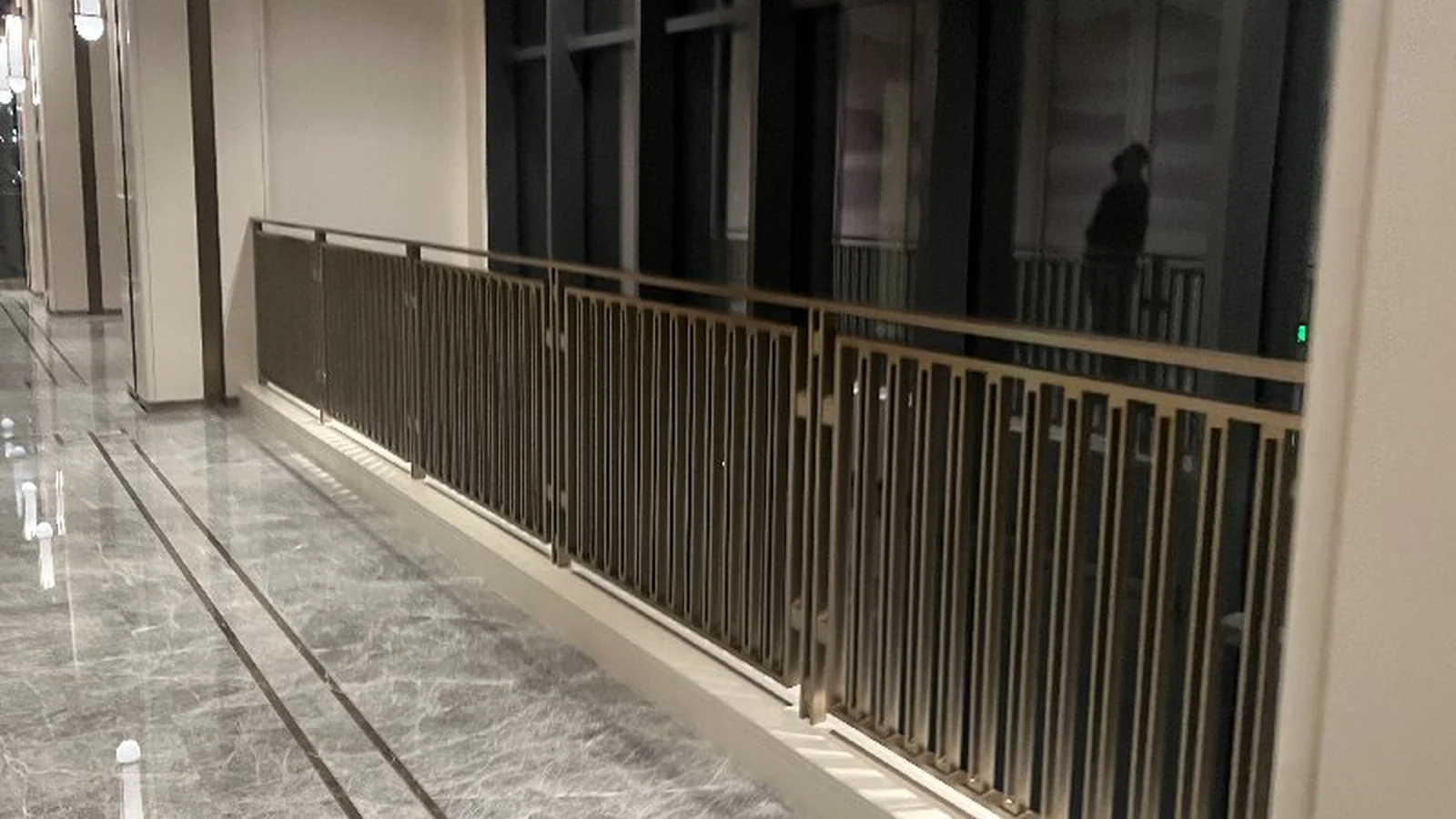




- Home
- Blog
- INDUSTRY BLOGS
- How to Choose a Stair Guardrail for Residential and Commercial Projects
How to Choose a Stair Guardrail for Residential and Commercial Projects
-
 author
 - September 7, 2026
A stair edge looks simple on a plan, yet it brings together moving people, changing floor levels, small landing zones, and structural fixing points. The railing has to feel steady under a hand, block a fall, survive cleaning and daily knocks, and still fit the architecture. On a busy apartment stair or public entrance, weak coordination shows up quickly: posts miss the slab edge, glass clashes with the stringer, or a handrail ends where users still need support. A useful specification starts with the route and the substrate, then works outward to the material and finish. The BORUI staircase guardrail range gives project teams a practical reference for steel, stainless-steel, vertical-infill, and glass configurations.
Start with the stair, the users, and the fixing surface
Record the stair width, rise and run, number of flights, landing depth, inside and outside edges, and every change in direction. Then mark the construction below the finish. A concrete flight, steel stringer, masonry curb, and finished timber stair require different anchors and base details. Measurements taken only from the visible tile or screed can leave too little embedment once the installer reaches site.
User patterns matter as much as geometry. A quiet private stair does not receive the same traffic as a school, station, office lobby, or multi-family escape route. Children may reach or climb an infill that adults ignore. Shoppers carry bags, maintenance crews move equipment, and wet shoes change how people use the rail. The local building code and project engineer must set height, opening, load, graspability, and continuity requirements for the actual occupancy.
Put these conditions on one coordinated elevation before requesting a quotation. The drawing should show post centers, handrail returns, landings, corners, wall connections, gates if any, and the relationship to nosings and tactile surfaces. This early stair guardrail design review is usually cheaper than moving holes or remaking panels after the flooring is complete.
Compare steel, stainless steel, glass, and infill choices
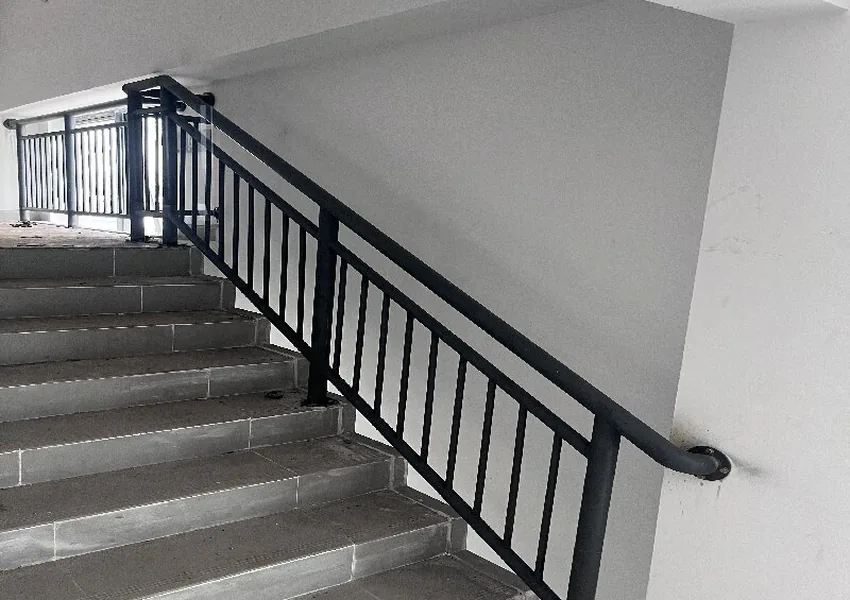
A painted or powder-coated metal stair guardrail suits many residential blocks and service stairs because posts, rails, and vertical bars can be fabricated as a clear, repeatable system. Its cost depends on section size, spacing, connection details, surface preparation, color, and batch quantity. Check corners and cut edges closely. A durable topcoat cannot compensate for poor weld cleanup or an untreated repair area.
A steel stair guardrail can use vertical bars where simple inspection and low visual ambiguity are priorities. Stainless steel is common where a bright finish, frequent cleaning, or greater moisture resistance is wanted. Specify the grade, surface finish, weld treatment, and compatible fasteners rather than asking for ‘stainless’ alone. Coastal or chemically cleaned interiors need a more careful review of grade and maintenance practice.
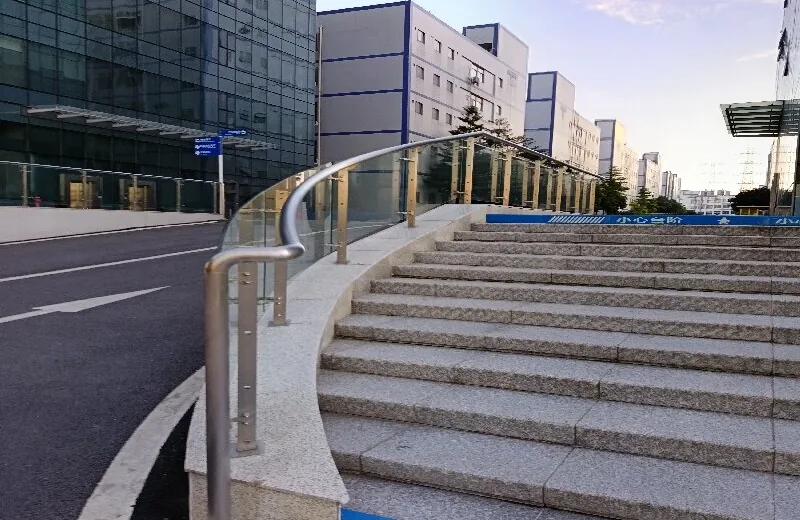
A glass stair railing opens the view through a lobby or entrance, but the transparent panel adds coordination work. Confirm the safety-glass build-up, panel support, exposed edges, hardware, replaceability, and cleaning access. The glass, posts, top rail, and anchors form one assembly. Do not approve them as separate decorative items. Where several protected edges meet, coordinate the stair with the balcony guardrail range and window guardrail range so finishes and junctions remain consistent.
Freeze the details before fabrication begins
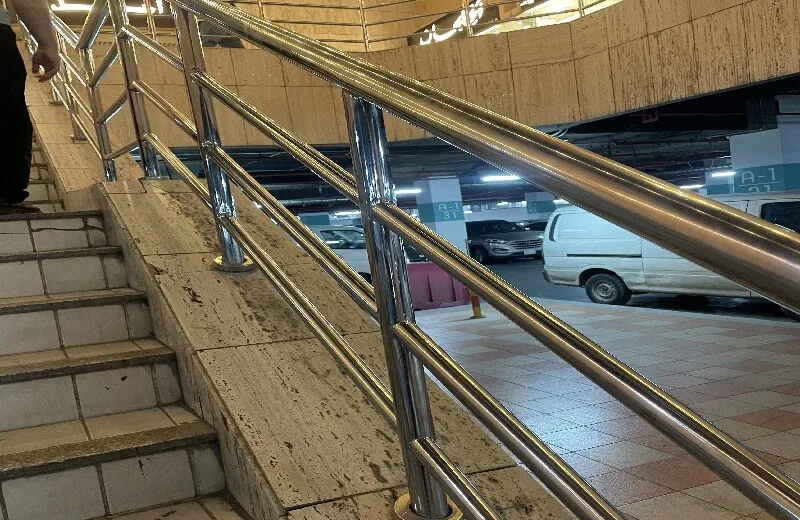
The shop drawing should answer ordinary site questions without guesswork. Which side of the line does the post sit on? How far is its plate from the slab edge? Where does a sloping rail become level at a landing? What happens at the first and last tread? A full-size section through the base, stringer, infill, and handrail often prevents more mistakes than a polished rendering.
Ask for a representative sample when color, touch, or weld appearance matters. A short mock-up can confirm hand comfort, bar spacing, glass tint, corner treatment, and the transition between straight and sloping runs. It also gives the factory and buyer one physical reference for the finished batch. BORUI has production site covers 50,000 square meters; the BORUI manufacturing profile is the appropriate place to verify company scope while the purchase file records the exact project-specific commitments.
Before release, compare the approved drawing with the first finished section. Measure overall height, post spacing, rail alignment, panel dimensions, hole positions, plate size, and hardware quantity. Review finish consistency under normal light, not only in close-up photographs. For a mixed-material stair guardrail design, keep an approved glass sample, metal color chip, and hardware schedule with the inspection record.
Tolerance also needs an owner. Finished stairs rarely match the structural drawing down to the last millimeter, especially after stone, tile, skirting, and wall linings are installed. Agree which dimensions the site team must recheck, when those checks happen, and who releases the factory dimensions. On long flights, a simple survey sheet with landing levels and edge offsets can prevent a gradual alignment error from reaching the top floor.
Plan delivery and installation around the finished building
Railing packages often arrive after walls, floors, and ceilings are nearly finished. Packing therefore needs to protect long rails and fragile corners while allowing installers to find each flight quickly. Mark bundles by building, floor, stair core, flight, and drawing reference. Keep anchors and special fittings in labeled hardware packs instead of mixing them through the load.
At installation, confirm the substrate before drilling. Set out all posts, check edge distances, and dry-fit critical transitions. The installer should not use the railing to hide an uneven stair or force a panel into an opening that has changed. Record site variations, obtain approval for the revised detail, and restore any damaged coating with the specified repair system. Protect a steel stair guardrail from grinding dust, wet cement, and other finishing work until handover.
A useful handover includes approved drawings, material and finish records, anchor information, inspection photos, installation notes, cleaning guidance, and spare-part identification. Buyers should send BORUI the stair elevations, quantities, substrate details, finish target, destination, and delivery schedule through the contact BORUI project team. That information produces a more reliable discussion than a request based only on price per meter.
FAQ
Q1: Which material is best for a residential stair?
A1: There is no single best material. A coated steel system is practical for many apartment and house stairs, stainless steel handles moisture and frequent cleaning well when the grade and finish are correct, and a glass stair railing preserves an open view. The right choice follows the code, users, substrate, exposure, maintenance plan, and architectural brief.
Q2: What should a buyer include in a stair railing RFQ?
A2: Include plans and elevations, stair dimensions, substrate, occupancy, required loads and code, total quantity, material, infill, finish, anchor preference, installation scope, packaging marks, destination, and delivery date. Photos of the actual stair help, but dimensioned drawings should control fabrication.
Q3: Can one supplier match railings across stairs, balconies, and windows?
A3: Matching is feasible when the team freezes color, gloss, section shapes, joint treatment, and hardware early. Each location still needs its own structural and code review. A metal stair guardrail, balcony system, and window guard can share a visual language without using identical fixing details.
Recent Posts
-
 Window Guardrail Height and Design Details for Safer BuildingsOctober 12, 2026
 -

-
RELATED PRODUCTS
A tale of a fateful trip that started from this tropic port aboard this tiny ship today stillers
Contact Us
Get personalized guardrails advice for system choice & savings.


