
 author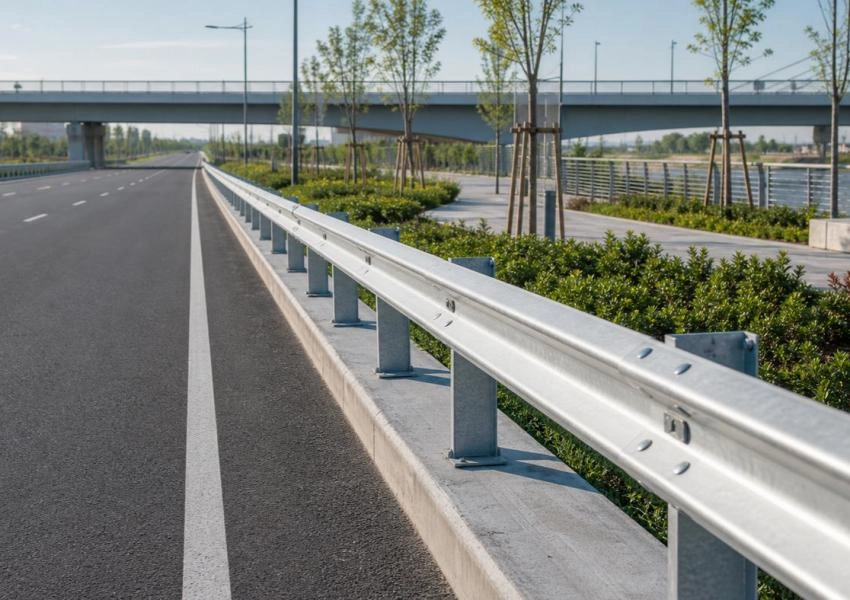



- Home
- Blog
- INDUSTRY BLOGS
- Don’t Let Bad Guardrails Derail Your Project: A Complete Buying Guide
Don’t Let Bad Guardrails Derail Your Project: A Complete Buying Guide
-
 author
 - July 20, 2026
Procurement teams rarely buy a guardrail as an isolated item. They are usually trying to keep a road package on schedule, close a safety gap around a bridge, protect a waterfront, complete a residential handover, or separate people from machinery without slowing production. Each setting brings different loads, exposure conditions, installation details, approval requirements, and budget limits, so a low quotation can become expensive when the product arrives with the wrong spacing, weak coating, difficult connections, or incomplete project support. We supply guardrail solutions for municipal roads, bridges, riversides, buildings, industrial plants, and perimeter projects, and our recommendation begins with the hazard, the site, and the expected service life rather than a catalog code alone.
Why has Guardrail Procurement Become More Demanding?
A buyer now has to connect safety performance, appearance, installation speed, maintenance, and documentation in one purchase. The guardrail manufacturer must therefore contribute more than metal fabrication; it must help the buyer turn drawings, site conditions, and operating risks into a guardrail system that can be produced consistently and installed without avoidable rework.
Safety Decisions Start with the Real Hazard
A guardrail can separate pedestrians from traffic, keep a vehicle within a road boundary, prevent a fall beside water, discourage access to machinery, or protect the edge of a balcony, yet these functions are not interchangeable. We first identify what may strike, climb, lean against, or pass through the guardrail, then review the required height, opening size, post spacing, anchoring method, and visibility. A traffic guardrail may need strong visual guidance, reflective details, and replaceable modules, while a bridge guardrail must also account for wind, fall exposure, connection to the bridge structure, and the consequences of a component becoming loose. At a school, hospital, or residential project, smooth edges and controlled gaps matter as much as strength. In a factory, the guardrail layout must keep personnel away from hazardous equipment while preserving sightlines and maintenance access. This site-led process helps prevent a common procurement mistake: selecting a familiar appearance before confirming the protection task. A responsible guardrail manufacturer should ask where the system will be installed, who or what it protects, how the area is used, and which local project rules apply before fixing the specification.
Whole-life Cost Matters More than the First Quotation
The purchase price is only one part of guardrail cost. Freight, handling, drilling, concrete work, installation time, coating repair, inspection, replacement parts, and future shutdowns can outweigh a small saving on the initial order. We therefore compare material and finish against the actual environment instead of automatically proposing the heaviest or most expensive option. Hot-dip galvanized steel often gives municipal and industrial buyers a practical balance of strength, corrosion resistance, and cost, while 304 or 316 stainless steel can suit architectural work or locations with greater moisture and salt exposure. Aluminum alloy may reduce weight where handling and appearance are priorities. A modular guardrail can also lower lifecycle cost because damaged sections can be replaced without dismantling a long run. Consistent hole positions, matched connectors, protected packaging, and clear installation guidance further reduce site labor. When a guardrail manufacturer reviews these details before production, the quotation becomes easier to compare because it reflects the complete guardrail system rather than loose panels and posts. Buyers gain a clearer view of what they are paying for and where later costs may arise.
Which Guardrail Products Fit Different Project Environments?
Product selection becomes simpler when the project is divided by risk and operating environment. Our range covers road separation, bridge and waterfront protection, architectural edge safety, perimeter control, anti-glare screening, and industrial isolation, allowing one procurement team to coordinate several guardrail packages while keeping materials, colors, and quality expectations consistent.
Roads, Bridges, and Waterfronts Need Different Protection Logic
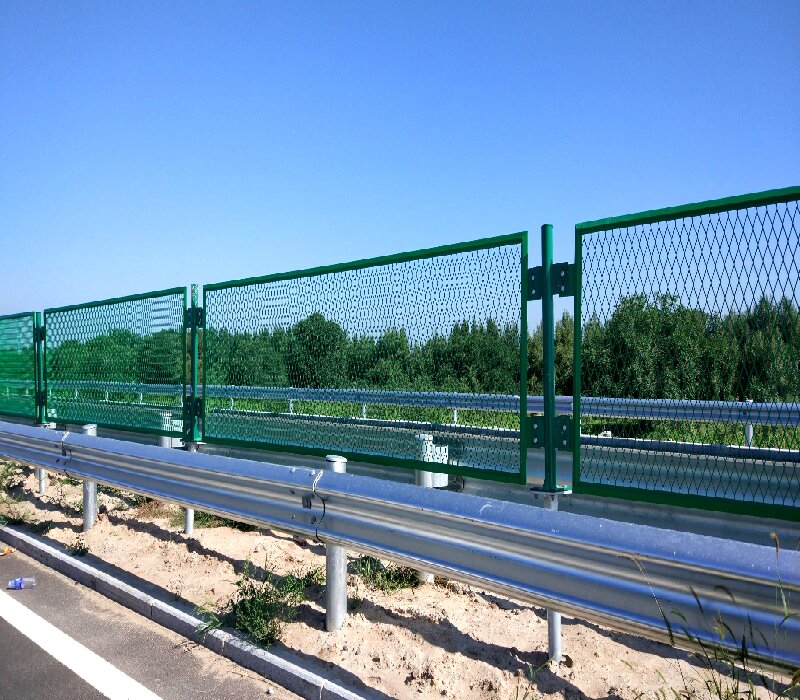
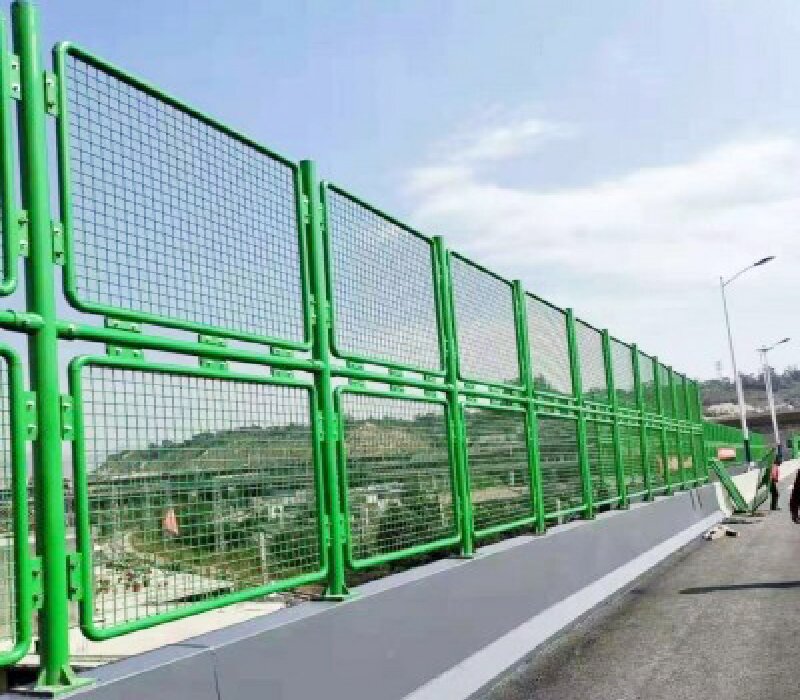
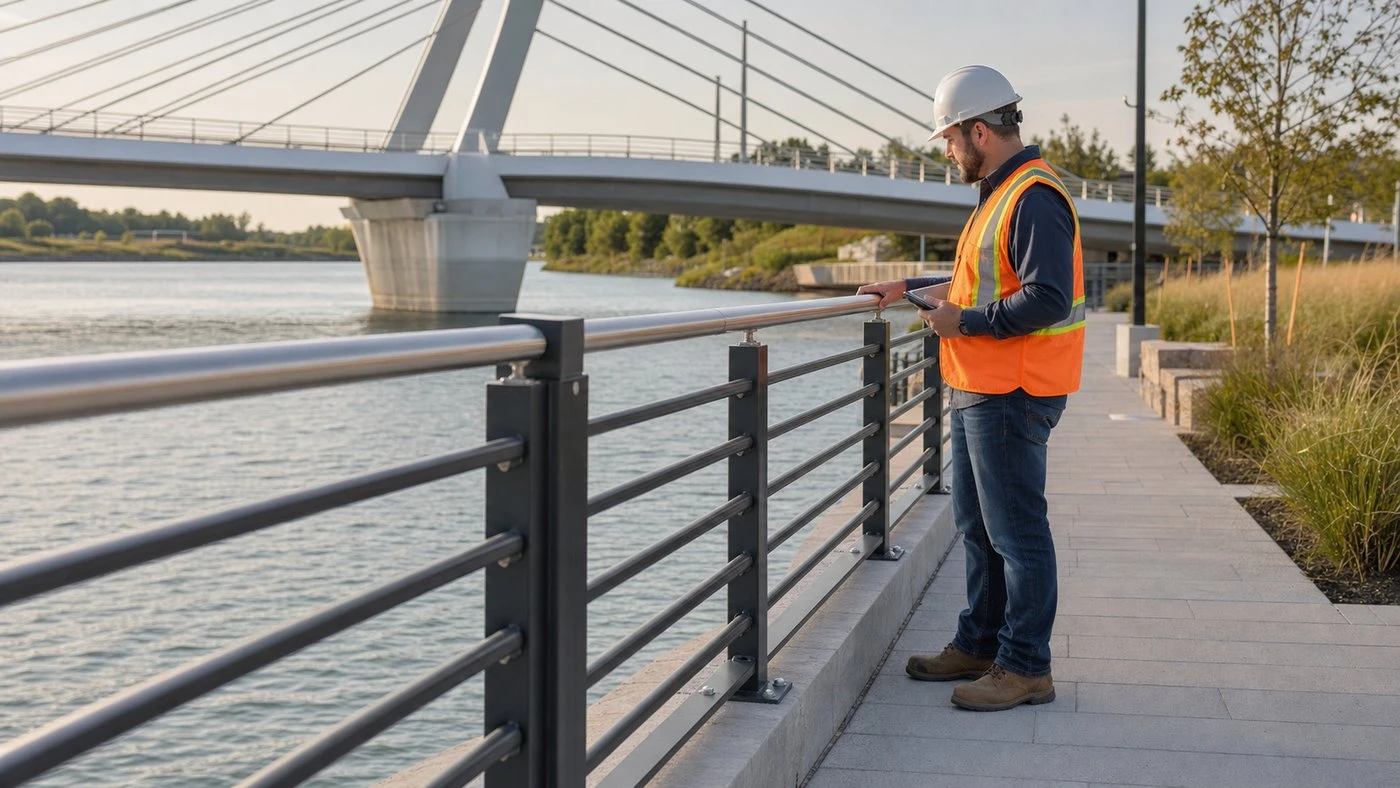
Road projects often need visibility, guidance, modular repair, and resistance to outdoor exposure, which is why we recommend the traffic guardrail for municipal lanes, pedestrian boundaries, intersections, ramps, parking areas, and selected highway applications. Where headlight glare creates a nighttime risk, the high speed anti glare mesh guardrail adds screening while retaining airflow and lateral visibility. Bridge work calls for a separate review because the guardrail may face vehicle impact, crowded pedestrian loads, strong wind, vibration, moisture, and severe consequences if an object falls below. Our bridge guardrail can be configured with galvanized steel, stainless steel, reinforced posts, and project-specific fixing details. Waterfront projects place greater emphasis on fall prevention, corrosion resistance, landscape fit, and safe gaps. For practical selection, buyers should confirm four points in sequence:
- Define the primary hazard and required protection level.
- Record exposure to rain, salt spray, chemicals, wind, and standing water.
- Match post foundations and connection hardware to the existing structure.
- Confirm visibility, color, reflectivity, and maintenance access before production.
Following this sequence helps the guardrail manufacturer propose a guardrail that fits the site rather than forcing one standard panel into several unrelated applications.
Buildings and Factories Require Safety Without Operational Friction
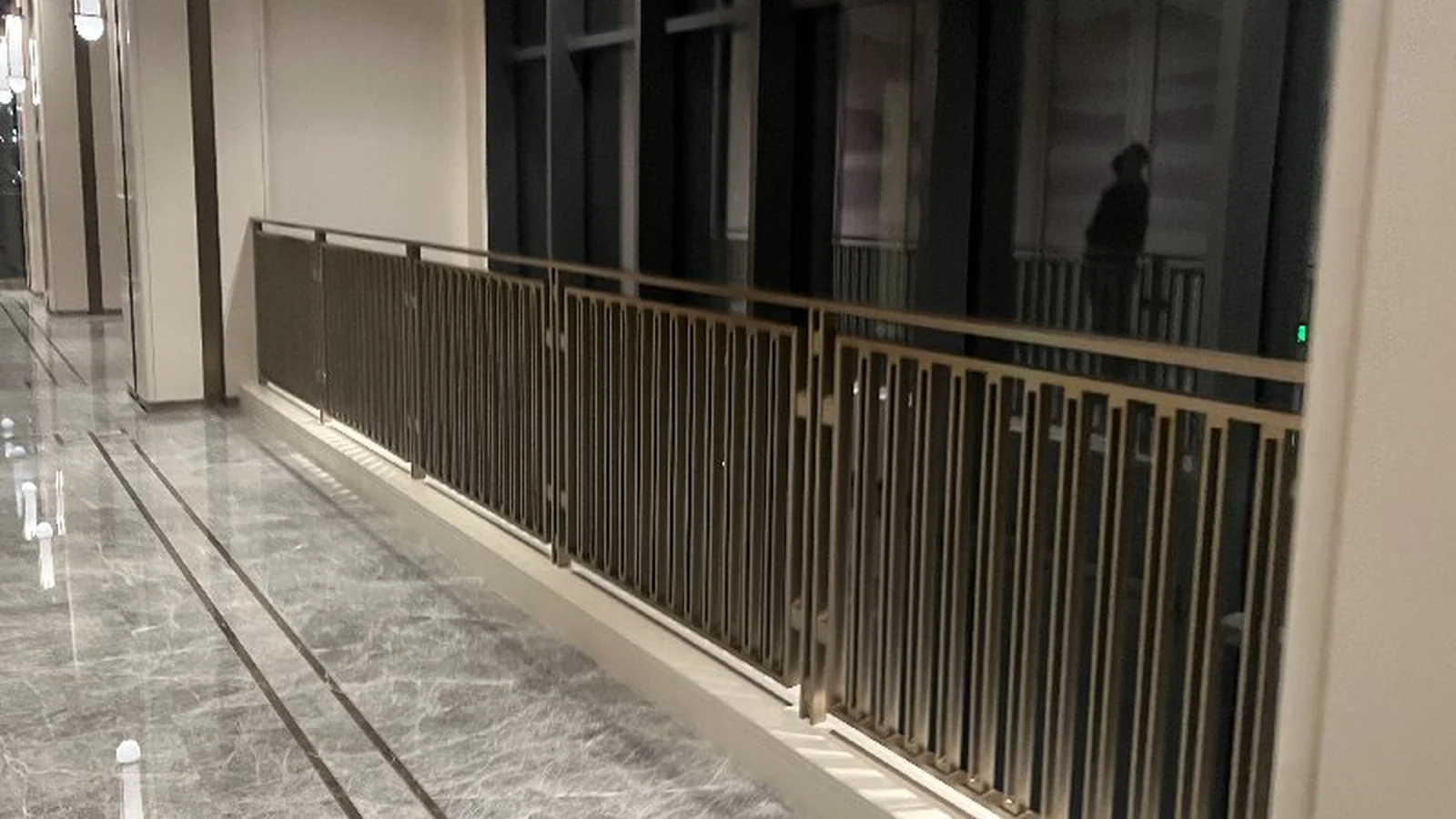
Building guardrail jobs have to blend solid edge safety with the look of the structure. Our balcony guardrail can feature stainless steel, hot-dip galvanized steel, aluminum alloy, strong glass, metal sheets, or upright bars. This relies on the wanted view, hidden spaces, weather defense, and outer style. Steps and window guardrail setups bring in needs for comfort, kid safety, climbing stops, washing, and quick exit paths. Thus, sizes must follow the right local rules and right job plans, not just a general book number. Factory areas pose a separate issue. The guardrail must divide workers, lift trucks, goods, robots, machines, and repair zones without hiding views or stopping work. Modular mesh panels and access gates can divide production zones while allowing managers to see equipment status. We also consider how a guardrail will be moved if a production line changes, since reusable posts and bolted panels can preserve investment. In both buildings and factories, a capable guardrail manufacturer should coordinate appearance with practical use, provide stable component tolerances, and keep replacement parts compatible with the original system.
Which Supplier can Support a Complex Guardrail Purchase?
At BORUI, we manufacture guardrail systems from a 20,000-square-meter production base in Foshan, supported by 55 professional machines, more than 200 employees, and over 20 R&D personnel. Our tasks cover city, bridge, river, zinc-steel, garden, mesh, building, and factory guardrail uses. This lets project buyers talk over many safety needs with one skilled group. We back the whole buying trip. This includes checking the use, special plans, test pieces, making the goods, checking quality, boxing, shipping, setup help, and after-sale care. Our main goal is not selling the biggest item. It is aiding the buyer to pick a guardrail that fits the danger, space, look, timing, and funds. Plans, sizes, paints, finishes, styles, marks, and setup details can change when the job needs a unique fix. This mix of making power and clear talking has aided us in helping over 10,000 clients across city works, roads, gardens, housing, and factory work.
Conclusion
Begin by stating the danger, setup space, desired lifespan, look, and permit papers. Then, ask every guardrail manufacturer to price out the exact same details. Fix unclear points before making the goods. Ask for a test piece when paint or build quality is key. Also, map out the bases, dropping off, keeping safe, and putting up early enough to dodge quick fixes on site. We can suggest a traffic guardrail, bridge guardrail, waterfront guardrail, architectural guardrail, or industrial guardrail system based on the real job, rather than a basic book text. This method keeps the talk useful. It covers what the guardrail must achieve, how it will be built, how it will get to the site, and how it will be kept up. Early tech talks also give every builder a firmer ground for setup plans and final sign-offs. If you are preparing a new project or comparing a current specification, contact us to review the application, drawings, quantity, finish, delivery plan, and budget before the order moves into production.
FAQ
Q1: Which information should I send for a guardrail quotation?
A1: Please share the use, plans, or sizes, wanted amount, metal choice, finish, paint, setup ground, shipping spot, and any testing or paper needs. If the details are lacking, pictures and a brief note about the danger can aid us. We can then suggest a fitting guardrail system and spot the choices needed prior to making the goods.
Q2: Can a guardrail manufacturer customize the product for my project?
A2: Yes. A project guardrail can change by height, part length, pole gap, inner space, mesh hole, metal, tube thickness, paint, finish, fancy style, mark, door setup, and holding way. Final sizes and work needs should be checked against local laws and right plans before big runs start.
Q2: How can I compare quotations from different suppliers fairly?
A3: Look at the full guardrail package, not just the panel cost. Review the metal type, tube size, wall thickness, outer finish, poles, feet, screws, extra bits, boxing, shipping ideas, check papers, shipping time, promise rules, and after-sale help. A guardrail manufacturer giving a cheaper single price might not pack the same parts or give the same help.
Recent Posts
-
 Window Guardrail Height and Design Details for Safer BuildingsOctober 12, 2026
 -

-
RELATED PRODUCTS
A tale of a fateful trip that started from this tropic port aboard this tiny ship today stillers
Contact Us
Get personalized guardrails advice for system choice & savings.


