
 author



- Home
- Blog
- INDUSTRY BLOGS
- Stainless Steel vs Aluminum Railings: Which Is Better for Outdoor Projects
Stainless Steel vs Aluminum Railings: Which Is Better for Outdoor Projects
-
 author
 - September 1, 2026
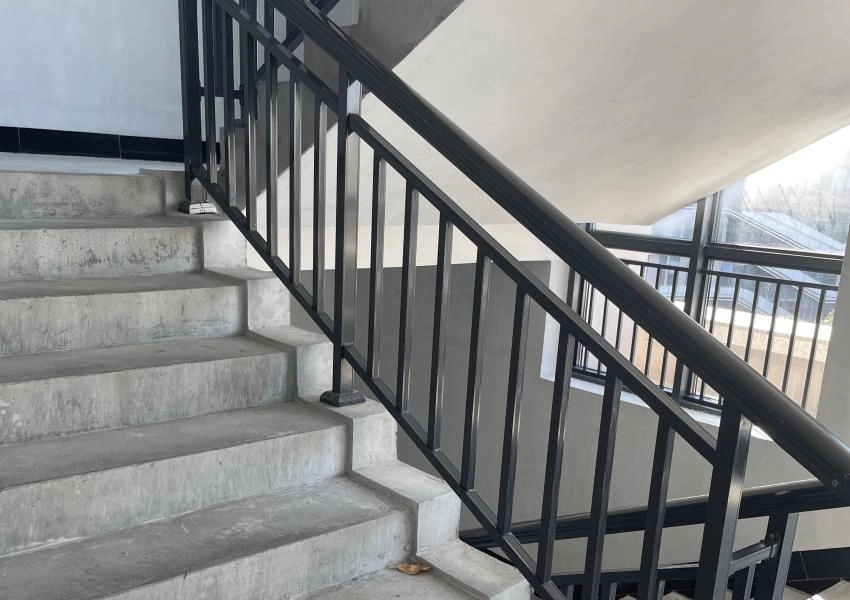
A guardrail located outside an oceanfront resort experiences a completely different lifespan compared to one set up next to a standard inland apartment doorway. Both options might appear identical when viewed in a display room. However, three years down the line, significant differences can emerge. These issues often show up as brown tea staining, faded paint, loose screws, or unexpected repair bills that nobody considered during the initial review. Therefore, deciding between a stainless steel railing vs. an aluminum railing is a major project choice rather than a basic material selection.
Stainless steel provides a highly durable feel along with a sleek architectural appearance. On the other hand, aluminum is much lighter. It is also simpler to shape into various colored profiles. Both metals can effectively support balconies, outdoor terraces, public walkways, boundary fences, and large commercial structures. A truly helpful comparison of outdoor railing materials begins by looking at the specific location. It also involves checking the attachment methods, the surface finish, and the building owner’s long-term plan for cleaning and future replacements.
The Site Usually Makes the First Decision
Begin by examining the atmosphere surrounding the installation area. Coastal salt, swimming pool chemicals, damp river fog, heavy industrial dust, and intense rainstorms do not leave the exact same dirt behind. A heavily shaded courtyard located far inland might be quite gentle on metals. Conversely, an open rooftop terrace situated in a busy coastal town is extremely harsh. The level of public interaction matters greatly as well. A barrier in a shopping mall or train station faces constant wear. It must withstand daily contact from human hands, heavy bags, luggage carts, harsh cleaning liquids, and accidental bumps.
Coastal Air Is Not Just Outdoor Air
For luxury hotels, seaside walking paths, river bridges, and damp water parks, 316 or 316L stainless steel is frequently worth evaluating. This is because salty ocean spray damages standard 304 metal much faster than many purchasers realize. Selecting the proper grade certainly helps. However, it does not forgive sloppy weld polishing or the use of mismatched screws. BORUI also supplies hot-dip galvanized steel alongside advanced protective spraying for highly humid environments. Consequently, a construction project can be properly matched to its specific weather exposure instead of being forced to use just one type of metal.
Aluminum can function very well close to the ocean, particularly if the metal profile receives a high-quality coating. Powder coating or specialized fluorocarbon spraying must thoroughly protect the visible exterior in a uniform manner. At the same time, drilled holes, freshly cut edges, mounting screws, and water drainage slots require the exact same level of care. A painted surface that looks flawless inside a store can deteriorate rapidly if minor on-site scratches are ignored.
Public Use Changes The Maintenance Bill
A quiet private balcony might only require a simple wash every now and then. In contrast, a busy public viewing terrace demands a strict inspection schedule. Stainless steel tends to display oily fingerprints and urban pollution quite easily. Yet, workers can scrub it clean without needing to repaint the entire structure. Coated aluminum retains its vibrant color beautifully as long as the paint layer remains intact. Nevertheless, a deeply scratched segment might demand a carefully matched touch-up job. This practical difference should be factored into the overall life-cycle cost, rather than just looking at the initial material price on the invoice.
When Stainless Steel Earns Its Higher Cost
Stainless steel serves as an excellent option for heavy glass balustrades, upscale hotel terraces, scenic viewing decks, corporate office entrances, and various other spots where visitors frequently touch the handrail and examine it closely. In the stainless steel glass guardrail systems utilized throughout modern architecture, the upright posts, top handrails, metal clamps, glass holding fixtures, and base anchors must function seamlessly together. Strong tempered laminated glass, protective rubber pads, mounting grooves, and secure connection hardware function as vital parts of the complete system, rather than just being added at the end.
The specific alloy grade must still be stated very clearly on the order. The 304 version might perfectly suit a standard inland setting. Meanwhile, 316 or 316L is far more appropriate for salty sea spray, damp poolside air, or constant tropical humidity. The metal wall thickness, welding quality, surface polishing, and proper fastener matching can hold just as much importance. A premium 316 handrail installed with incorrect, cheap screws can quickly develop rust around the connection points. Similarly, a badly polished 304 weld might display ugly brown stains much earlier than the property owner anticipated.
The aesthetic advantage is genuinely noticeable, particularly when using elegant brushed, bright mirror-polished, or advanced PVD finishes. The financial cost is absolutely real too. Stainless steel generally involves greater expenses for factory fabrication, detailed polishing, careful packing, and heavy transport. Inside a five-star hotel, that extra expense might represent a very smart investment. However, on a massive residential development requiring thousands of meters of safety barriers, that exact same choice demands a much stricter budget review.
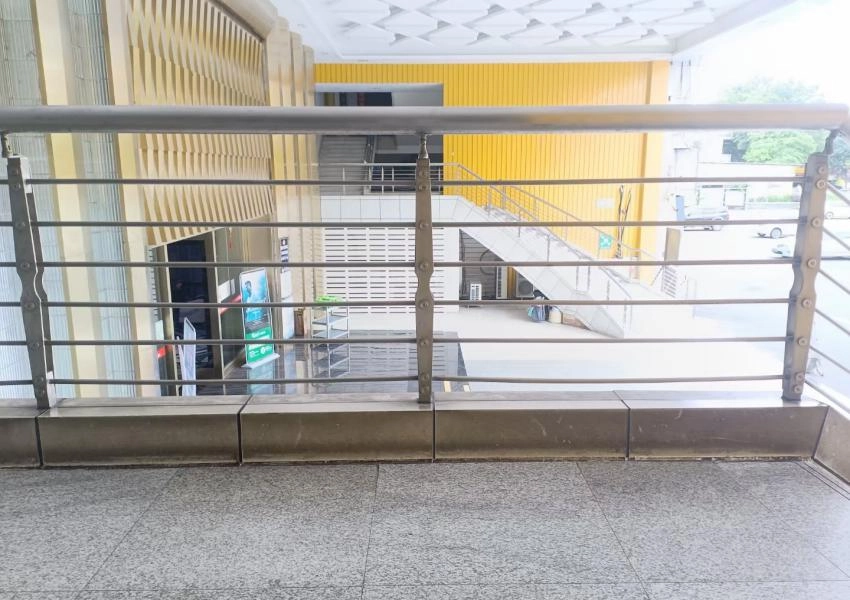
Where An Aluminum Railing System Fits Better
An aluminum railing system frequently stands out as the most logical option for apartment balconies, wide terraces, school perimeter fences, elevated rooftop gardens, and extensive residential property lines. The 6063-T5 aluminum alloy remains highly popular for architectural shapes. It extrudes smoothly, maintains a low weight, and easily accepts multiple protective surface treatments. This reduced weight can greatly simplify lifting, on-site storage, manual cutting, and final installation when physical access is restricted or when an older building is undergoing renovations.
Aluminum also grants the project designer much greater flexibility regarding color choices. Standard powder coating, chemical anodizing, decorative wood grain transfer, and tough fluorocarbon spraying can perfectly match existing windows, exterior facade panels, entrance doors, or outdoor garden furniture. Deep black, dark gray, crisp white, bright silver, rich bronze, and unique custom RAL colors all represent highly practical options. However, this metal does not automatically act as just a cheap substitute for stainless steel. A flimsy thin profile combined with weak joints will feel unstable and cheap, even if the exterior color looks stunning.
A supplier should help with the decision.
BORUI Metal Technology, located in Foshan, expertly supplies high-quality guardrails for residential balconies, large windows, indoor staircases, outdoor fences, river banks, highway bridges, and busy traffic applications. They also provide complete stainless steel glass systems. The available manufacturing materials include premium stainless steel, versatile aluminum alloy, rugged hot-dip galvanized steel, and safe tempered laminated glass. The available surface finishing methods feature elegant brushing, bright polishing, durable powder spraying, and highly protective fluorocarbon spraying.
BORUI operates directly from a massive 50,000-square-meter modern production base. The facility features more than 55 advanced professional production machines and employs over 200 skilled workers. Its comprehensive custom railing design and production support fully covers technical drawings, physical samples, detailed finish discussions, fast production, safe logistics, and reliable after-sales maintenance advice. Interested buyers can easily submit their specific building type, exact site location, architectural drawings, local safety code requirements, preferred visual finish, target budget, and long-term maintenance expectations before requesting a final, tailored recommendation.
Stainless steel rightfully earns its premium position whenever luxurious appearance, frequent physical touch points, heavy glass construction, or harsh salt exposure clearly justify the additional financial spend. Conversely, aluminum frequently provides the smarter commercial solution whenever low weight, custom color matching, fast modular production, and rapid installation speed take priority. A truly corrosion-resistant railing always depends heavily on selecting the correct metal grade, applying a tough coating, using the right fixings, and following a smart maintenance plan. Smart buyers who are actively reviewing BORUI must carefully compare all these technical details against the complete expected project lifespan, rather than looking solely at the very first initial unit price.
FAQ
Q1: Is stainless steel always better than aluminum for outdoor railings?
A1: No. Stainless steel frequently acts as the stronger, more durable choice for premium heavy glass systems, highly busy physical touch points, and harsh coastal weather exposure. However, aluminum can perform much better for lighter residential balconies, wide terraces, and standard boundary projects, provided it features a well-specified, high-quality protective coating.
Q2: What should be checked before buying an aluminum railing system?
A2: Always verify the use of 6063-T5 or the specifically quoted metal alloy. Check the exact profile wall thickness, the specific coating method, the formal color standard, the structural anchors, the metal fasteners, the water drainage design, the physical sample finish, and the future availability of replacement parts.
Q3: Which material needs less maintenance near the coast?
A3: High-grade 316 stainless steel generally possesses much stronger natural resistance against salty ocean spray. However, it absolutely still requires regular cleaning to look good. Properly coated aluminum can also perform exceptionally well near the water, provided that the protective finish remains completely sound and any accidental surface scratches are repaired very quickly.
Recent Posts
-
 Window Guardrail Height and Design Details for Safer BuildingsOctober 12, 2026
 -

-
RELATED PRODUCTS
A tale of a fateful trip that started from this tropic port aboard this tiny ship today stillers
Contact Us
Get personalized guardrails advice for system choice & savings.


