
 author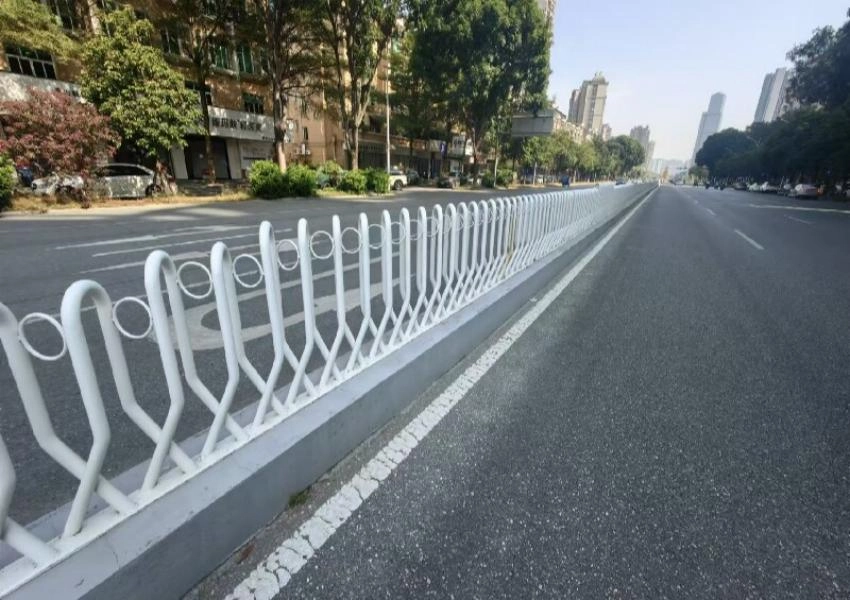



- Home
- Blog
- INDUSTRY BLOGS
- How to Choose the Best Guardrail Systems: Top Design & Safety Principles
How to Choose the Best Guardrail Systems: Top Design & Safety Principles
-
 author
 - June 24, 2026
The primary objective of guardrail design is to create a continuous roadside barrier that prevents vehicles from leaving the roadway during errant maneuvers. Traffic guardrails are the core infrastructure that ensures road traffic order and safety. With isolation and diversion, collision protection, warning, and guidance as the core functions, they are made of high-strength substrates such as steel and aluminum alloy and processed through welding, anti-corrosion, and forming processes. These systems not only absorb kinetic energy but also redirect vehicles along the barrier’s alignment to minimize secondary collisions. Properly designed guardrails significantly reduce occupant injury by controlling deceleration forces during a guardrail crash.
Key Components of a Guardrail System
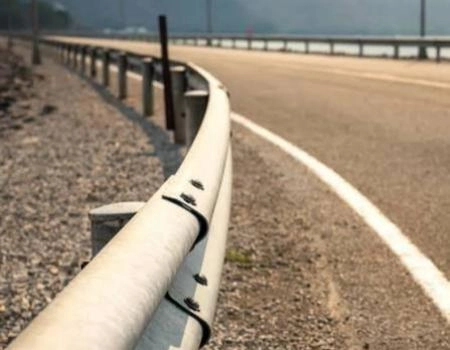
A standard guardrail system consists of rails, posts, blockouts, and end terminals. The rail element provides continuity for redirection; posts transfer loads into the ground; blockouts prevent wheel snagging; and terminals dissipate impact energy. Stable structure and excellent anti-collision performance: The core adopts horizontal bar + vertical bar reinforcement, integral welding, or modular splicing design.
Governing Standards and Design Criteria
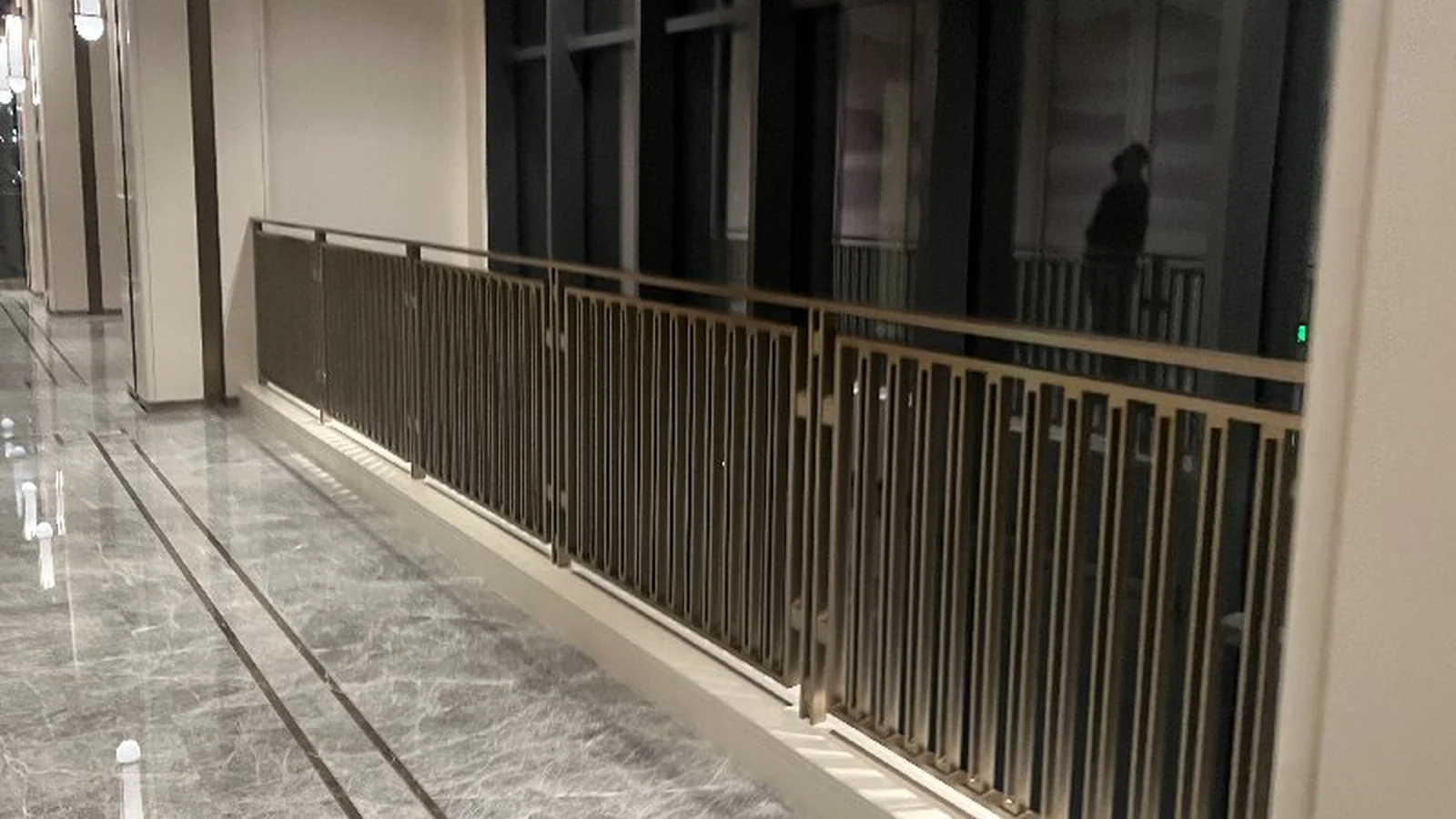
Guardrail design must comply with international standards such as AASHTO MASH or EN 1317. These standards define containment levels based on vehicle mass, deflection limits, and occupant risk factors. Site-specific parameters like curvature radius, slope gradient, or bridge geometry dictate the configuration of each installation. For example, bridge guardrails are safety protection facilities specially designed for both sides of various bridges (highway bridges, municipal bridges, and pedestrian bridges) with the core functions of “high collision resistance, fall prevention, and wind resistance.”
Engineering Considerations for Safe Installation
Comprehensive site assessment includes analyzing roadway geometry, traffic speed distribution, roadside hazards, and soil properties. High-risk zones—such as sharp curves or bridge approaches—require reinforced systems with higher containment levels. Soil bearing capacity determines post embedment depth to ensure lateral stability under dynamic loading conditions.
Structural Alignment and Placement Guidelines
Maintaining consistent rail height relative to pavement ensures that impacting vehicles engage the barrier at their designed centroid height. Proper offset distance from travel lanes allows space for vehicle recovery before contact. The system must remain parallel to traffic flow to avoid snagging effects during shallow-angle impacts.
Post Spacing and Foundation Requirements
Post spacing defines system flexibility: closer spacing increases stiffness but transmits greater impact forces to occupants. Engineers balance these effects based on guardrail crash test performance data. Foundations must consider frost depth in cold regions and drainage provisions in wet environments to prevent frost heaving or corrosion at ground level.
Impact Performance and Energy Management
Impact performance lies at the heart of every guardrail design decision. Guardrails function by plastically deforming upon impact to dissipate kinetic energy while maintaining redirection capability. Controlled deformation minimizes rebound velocity. The balance between rigidity (to contain heavy vehicles) and flexibility (to cushion lighter cars) defines overall crashworthiness.
Installation Techniques for Optimal Safety Performance
Proper installation directly determines whether a system meets its intended design performance.
Pre-installation Planning and Material Handling
All components should be verified against approved specifications before use. Materials like galvanized steel must be stored off the ground with protective coverings to avoid premature corrosion.
Step-by-Step Installation Procedures
Survey control ensures that horizontal alignment matches roadway curvature precisely; deviations can compromise energy absorption characteristics. Posts should be driven vertically with uniform embedment depth using hydraulic drivers rather than pre-drilled holes where possible. Joints must overlap in the direction of traffic flow, bolts tightened per torque requirements, and terminals installed per manufacturer instructions to guarantee certified crash performance.
Quality Assurance During Installation
Field inspections verify post plumbness, bolt torque levels, rail continuity, and terminal anchorage strength through pull-out testing when required.
Maintenance, Inspection, and Performance Evaluation
A well-designed guardrail system demands continuous performance monitoring throughout its lifecycle. Routine inspections detect damage from collisions or corrosion early enough for corrective action. Inspectors check alignment consistency, post stability, coating integrity, fastener tightness, and drainage functionality around foundations. Minor repairs involve straightening bent rails or replacing fasteners while preserving original geometry. Major damage necessitates replacing full sections when deformation exceeds allowable limits so that structural continuity is maintained after restoration work. Guardrail crash data collection provides empirical evidence on real-world effectiveness. These findings guide refinements in future installations—improving both material selection strategies and geometric configurations over time.
Innovations Influencing Modern Guardrail Design Practices
Technological innovation continues redefining how we approach roadside safety today.
Advanced Materials for Enhanced Durability
Bridge guardrails are made of high-strength substrates such as galvanized steel and stainless steel, reinforced and welded, and treated with anti-corrosion. Similarly across road networks, hot-dip galvanizing combined with fluorocarbon coatings extends service life even under coastal salt spray conditions—a critical factor for humid regions where corrosion accelerates rapidly.
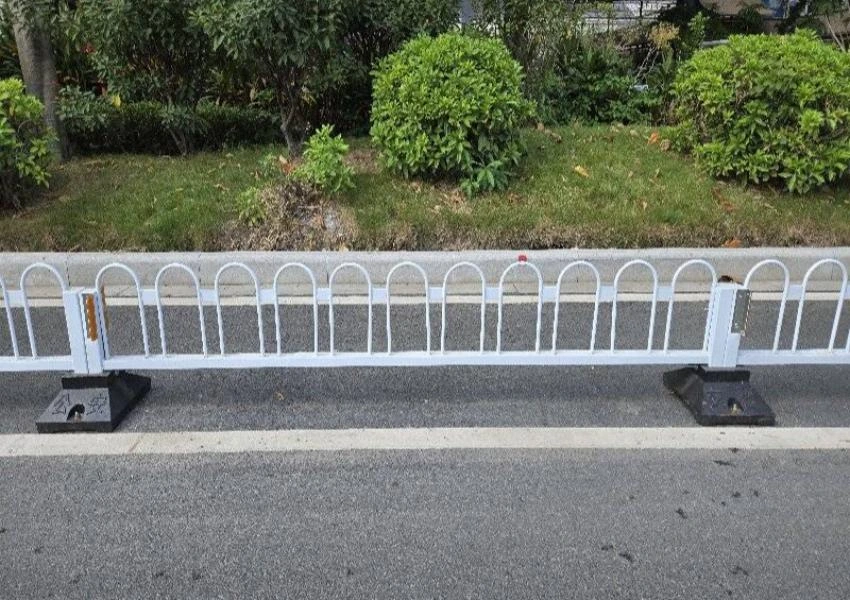
We have integrated advanced materials into our bridge guardrail solutions that combine high collision resistance with architectural aesthetics suitable for municipal or landscape bridges alike. Our Traffic Guardrail products combine modular construction with durable coatings designed for both urban intersections and expressway medians where maintenance access is limited, but reliability must remain uncompromised.
Sustainable Design Approaches in Roadside Safety Systems
Sustainability now plays a central role in modern engineering philosophy: recyclable materials reduce lifecycle cost while minimizing environmental footprint. Modular construction methods allow selective replacement rather than full disassembly—conserving resources without sacrificing protection standards.
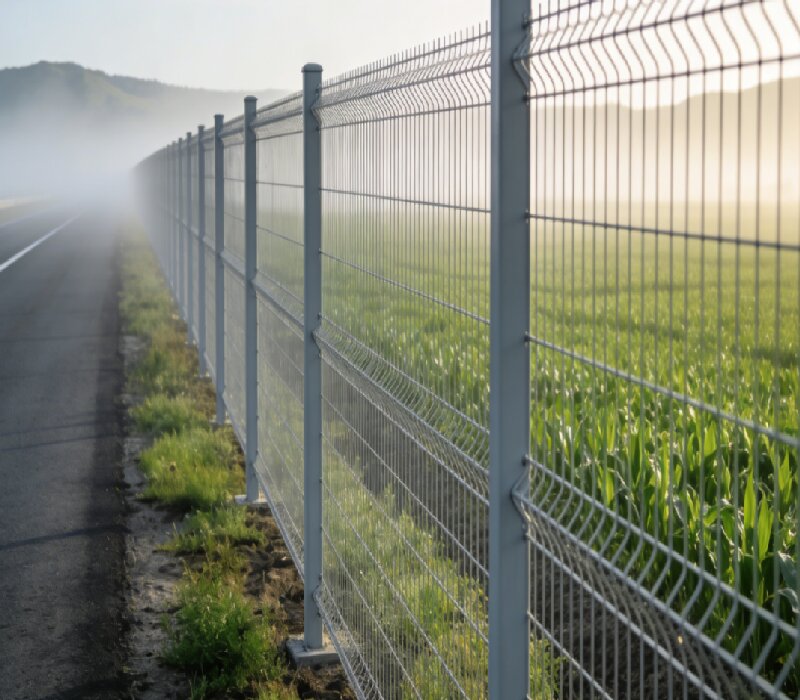
For instance, our High-Speed Anti-Glare Mesh Guardrail offers multi-functional benefits by blocking glare from oncoming headlights while reducing wind load due to its perforated mesh structure—an ideal choice for highway medians requiring both visibility control and aerodynamic efficiency.
Introduce BORUI
BORUI Metal Technology (Guangdong) Co., Ltd. specializes in producing guardrails made of metal, which can be used for different purposes, such as for bridges or for isolation of roads in municipal areas. With a production base that covers an area of 20,000 square meters and 55 sets of precise machines, more than 200 staff members, including over 100 QA engineers, work day and night to provide one-stop service and the best guardrails, which are not only safe to use but also beautiful to look at. All of our guardrails are designed and produced according to customized requirements and can be completed and delivered within the shortest time possible. We are committed to providing our customers with the best protection solutions that are a perfect combination of engineering and design.
Whether you are looking for safety solutions for your next construction project or want to know more about our guardrails or get some advice on how to choose the right guardrails for your site, please do not hesitate to contact us for a quote or any other information you need. Contact us for more information. Looking for a customized safety solution for a new infrastructure project? Please contact us to discuss your specific needs or to get advice on the right type of guardrail for your application.
FAQ
Q1: What factors determine the correct type of guardrail for a specific site?
A1: Selection depends on traffic volume, speed environment, terrain geometry, soil condition, expected vehicle types, and containment level requirements under AASHTO MASH or EN 1317 standards—all influencing material choice and structural configuration for optimal crashworthiness performance.
Q2: How often should installed guardrails undergo inspection?
A2: Regular inspection cycles should align with local authority guidelines but typically occur semi-annually; additional checks follow severe weather events or reported impacts, ensuring no hidden structural compromise exists before reopening affected sections to traffic flow safely.
Q3: Why is galvanized steel preferred in most modern installations?
A3: Galvanized steel combines mechanical strength with superior corrosion resistance achieved through hot-dip coating processes that extend lifespan significantly even under humid coastal exposure—making it ideal for long-term outdoor deployment within critical transport corridors worldwide.
Recent Posts
-
 Window Guardrail Height and Design Details for Safer BuildingsOctober 12, 2026
 -

-
RELATED PRODUCTS
A tale of a fateful trip that started from this tropic port aboard this tiny ship today stillers
Contact Us
Get personalized guardrails advice for system choice & savings.


