
 author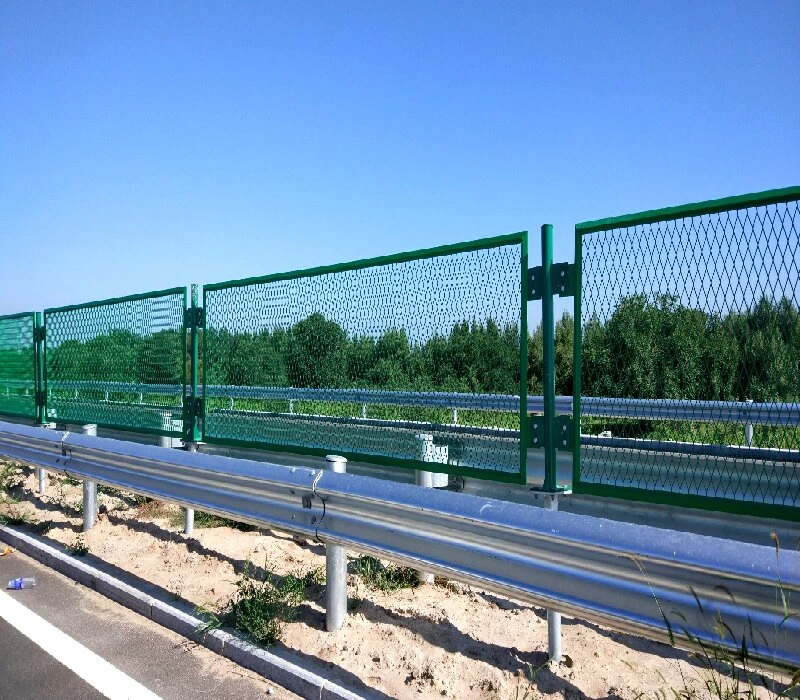
 International Standards Governing Guardrail Design and Safety Performance




- Home
- Blog
- INDUSTRY BLOGS
- The Anatomy of Impact: Advanced Principles in Expressway Safety Design
The Anatomy of Impact: Advanced Principles in Expressway Safety Design
-
 author
 - May 19, 2026
High-speed guardrails serve as the main support for today’s road safety setups, particularly on expressways and highways where fast vehicle speeds increase crash energy. Designers must weigh strength, bendability, and managed bending to safeguard structures and people alike.
Fundamentals of High-Speed Guardrail Design
Core Objectives of Guardrail Systems in High-Speed Environments
Highway guardrails stand out as the key and most common passive safety feature in road traffic setups. They mean stiff or somewhat stiff barriers placed steadily along both edges of the main highway route and the middle divider. Their main goal is to steer wandering vehicles back to the road. At the same time, they soak up crash energy by bending. This steering stops vehicles from entering opposite lanes or veering off the road. As a result, it lowers crash harm and keeps drivers safe.
Energy uptake happens via a mix of material giving way, curving, and rail shift after impact. Right placement and height rules ensure steady results over different speed levels. Roadside guardrails sit in spots that cut the chance of follow-up crashes.
Material Selection and Structural Integrity
The pick of materials shapes a guardrail’s power to handle fast impacts over the years. For materials, common items cover wavy steel guardrails (double wave/triple wave), concrete guardrails (New Jersey/F-type), and steel wire guardrails (bendable). Steel provides reliable stretchiness. Composites lessen rust danger. Hybrid setups blend energy uptake with lightweight benefits. Resistance to rust and endurance against wear are essential for lasting strength amid weather challenges like moisture or road salt.
Structure checks confirm they meet global rules like EN 1317 or MASH. These checks mimic real crash situations to check energy limits. The High-Speed Isolation Barrier Guardrail shows this method well. It uses wavy beams that bend under pressure but keep their line for steady vehicle steering.
Dynamic Impact Behavior in Guardrail Crash Events
The way a high-speed guardrail reacts in motion decides how well it works in real crashes. Experts study how crash energy spreads through parts to ensure the system remains intact during a guardrail crash, behaving as expected under huge forces.
Mechanisms of Energy Absorption During Impact
Consider common wavy-beam steel guardrails as a case. The main parts—wavy steel sheets, supports, and crash blocks or braces—form a careful energy control setup. When a vehicle hits, the wavy beam takes in energy by bending. The supports let out energy by curving or snapping. Meanwhile, the crash blocks stop wheel snags and help with steering. This order makes sure forces move smoothly along the build instead of piling up in one area. Bolted or joined links also affect how forces are spread in guardrail crash moments.
Support shift permits managed side movement that softens the hit. Yet, the rail pull keeps the line straight to lead vehicles safely back. These points get checked in the current crash test rules.
Vehicle Interaction with Guardrail Geometry
Vehicle motion—weight spread, balance point, and touch angle—decides if steering or breakthrough happens on a hit. A gentle touch angle aids easy steering along the rail face. But sharp angles can lead to jumping or flipping if shape changes are sudden. End pieces matter a lot in easing direct hits. They turn crash energy into steady bending instead of quick stop forces. The high-speed Dutch fence shows how bendy woven bales take in hits through stretchy bending rather than hard breaks, which cuts bounce strength for fast uses.
Design Parameters for High-Speed Applications
To guarantee safety at high speeds, experts fine-tune shape, line-up, base depth, and support gaps based on local factors like ground type and curve width.
Geometric Configuration and Alignment Considerations
A good distance from lanes avoids extra crashes after the first one, and it also keeps enough hold width for big vehicles. Rail height line-up fits various vehicle shapes—from small cars to heavy trucks, which ensures steady contact between the bumper level and the middle rail. Curve shifts must hold fully without spaces that might snag or lift parts.
Foundation and Post Spacing Optimization
Ground properties shape how deep the supports go into the earth. Soft ground needs deeper holds to fight pull forces in fast hits. Changing support gaps can boost bendability without losing overall power, which creates local bend areas that take in energy well. Hold systems must fit the planned side forces from speed goals.
Advanced Engineering Approaches in Modern Fence Rail Systems
Today’s engineering mixes computer tools with piece-by-piece build ideas to boost result forecasts. It also eases upkeep periods.
Integration of Computational Simulation in Guardrail Design
Finite element modeling (FEM) forecasts how each part bends in different hit cases before real tests start. This tool-based fine-tuning cuts material loss, and it also raises steadiness in making batches. Digital twin tech now allows live watching after setup. It spots strain buildup or rust early for ahead-of-time upkeep plans.
Innovations in Modular and Adaptive Guardrail Systems
Piece-by-piece designs allow for quick swaps after crashes without taking apart whole lengths, which helps cut traffic hold-ups on full roads. Adaptive setups change firmness based on heat or load states. They use smart materials with built-in sensors that track strain spread all the time.
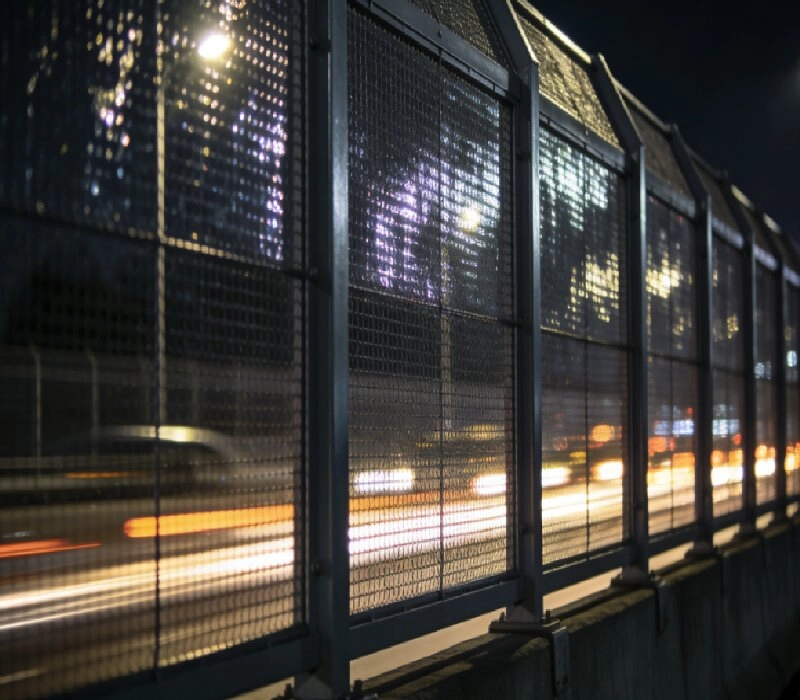
The High-Speed Anti Glare Mesh Guardrail highlights this change. The item comes from top-quality low-carbon steel sheets via exact machine pressing and stretching. It forms a steady, even diamond or rectangular mesh build. Its see-through mesh lowers wind push while keeping sight clear. This stands as a sample of a fitting design that matches sight safety with built toughness.
Performance Evaluation and Compliance Standards
Full checks make sure each high-speed guardrail hits strict world marks for rider safety and build trust.
Testing Protocols for High-Speed Guardrail Systems
Real-size crash tests copy true scenes with varied vehicle weights and angles. They check steering ability, energy uptake rate, and rider risk levels during a simulated guardrail crash. Lab part tests confirm evenness in making runs. They measure strength, cover stickiness, and joint soundness. All these serve as vital signs of lasting trust. Info from these checks sharpens later design rules in growing rule sets. These sets aim to match world safety marks.
 International Standards Governing Guardrail Design and Safety Performance
Rules like EN 1317 (Europe), MASH (US), and NCHRP Report 350 set okay levels for hold based on vehicle weight groups and hit angles. Local changes handle special area needs like usual traffic speeds or common vehicle kinds. They also add gains from material study into fresh test ways.
Future Directions in High-Speed Guardrail Development
As road nets move to smart travel systems, new high-speed guardrails need to blend green ideas with digital links.
Sustainable Materials and Lifecycle Optimization Strategies
Green-efficient metal mixes with reuse traits cut eco-marks over their work lives. Life cost review backs green spending choices, which counts upkeep gaps against its own full costs. This plays a big role in planning country road networks set to run for decades under diverse weather conditions.
Upkeep-easy piece designs stretch work length while cutting resource needs. Hurt parts can swap one by one instead of whole stretches. This way proves cost-saving in many cases, as noted by our build teams.
Integration with Intelligent Transportation Systems (ITS)
Linked builds turn still barriers into active safety points in wider ITS frames. Built-in sensors send built-in health info to the main watch centers. There, ahead analytics spots areas at risk for wear or rust before breaks happen.
Introduce BORUI
As experts dedicated to better road guard answers, we at BORUI join study-led new ideas with big-scale know-how in over 20, 000 m² of built spaces fitted with auto lines run by more than 200 workers, including 20 R&D experts. We center on making fine city guardrails, river guardrails, bridge guardrails, zinc-steel guardrails, green guardrails, and guardrail nets. Our ISO-marked items aid work parks, city roads, bridges, and expressways worldwide via full-step services—from custom design talks to after-sales aid open through our service platform. We welcome team chances via our one-stop solution hub, where fit setups meet set task needs backed by noted case applications. For pro questions on high-speed fence rail systems built for hard spots like switches or bridges with sharp slopes—please check our contact page.
FAQ
Q1: What distinguishes a high-speed isolation barrier from standard roadside rails?
A1: High-speed isolation barriers use a stepped crash guard with wavy beams built for managed bending. They suit expressway spots where crash energies go beyond usual roadside limits.
Q2: How do anti-glare mesh guardrails improve nighttime driving safety?
A2: Their holed mesh spreads headlight shine between facing lanes without blocking drivers’ side vision. At the same time, it keeps low air drag, unlike solid sheets.
Q3: Which testing standards verify compliance for modern highway barriers?
A3: Systems face full-size crash copies per EN 1317 in Europe or MASH ways in North America. These ensure checked hold levels fit for set traffic groups before site use.
Recent Posts
-
 Window Guardrail Height and Design Details for Safer BuildingsOctober 12, 2026
 -

-
RELATED PRODUCTS
A tale of a fateful trip that started from this tropic port aboard this tiny ship today stillers
Contact Us
Get personalized guardrails advice for system choice & savings.


