
 author




- Home
- Blog
- INDUSTRY BLOGS
- Engineered for the Elements: Maximizing Bridge Guardrail Durability in Humid Climates
Engineered for the Elements: Maximizing Bridge Guardrail Durability in Humid Climates
-
 author
 - May 4, 2026
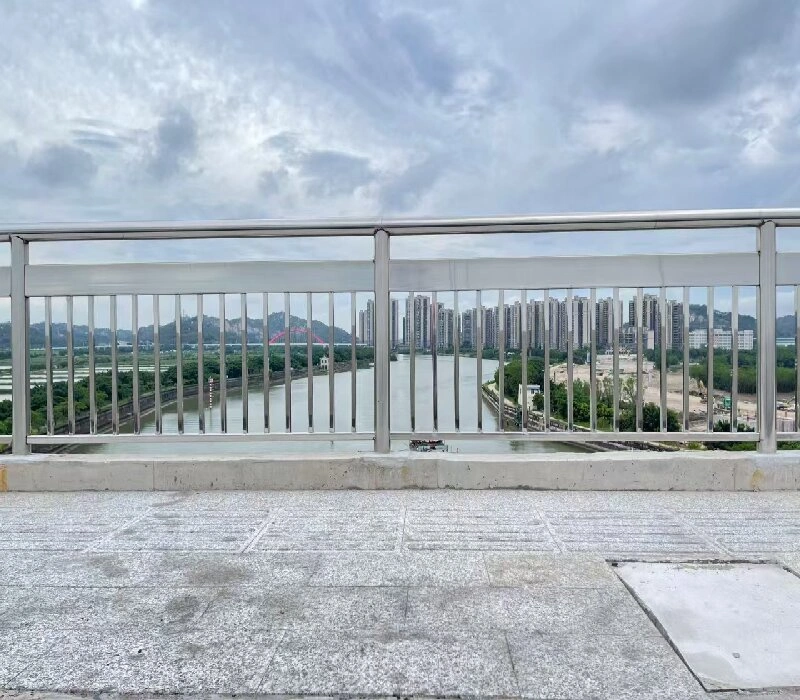
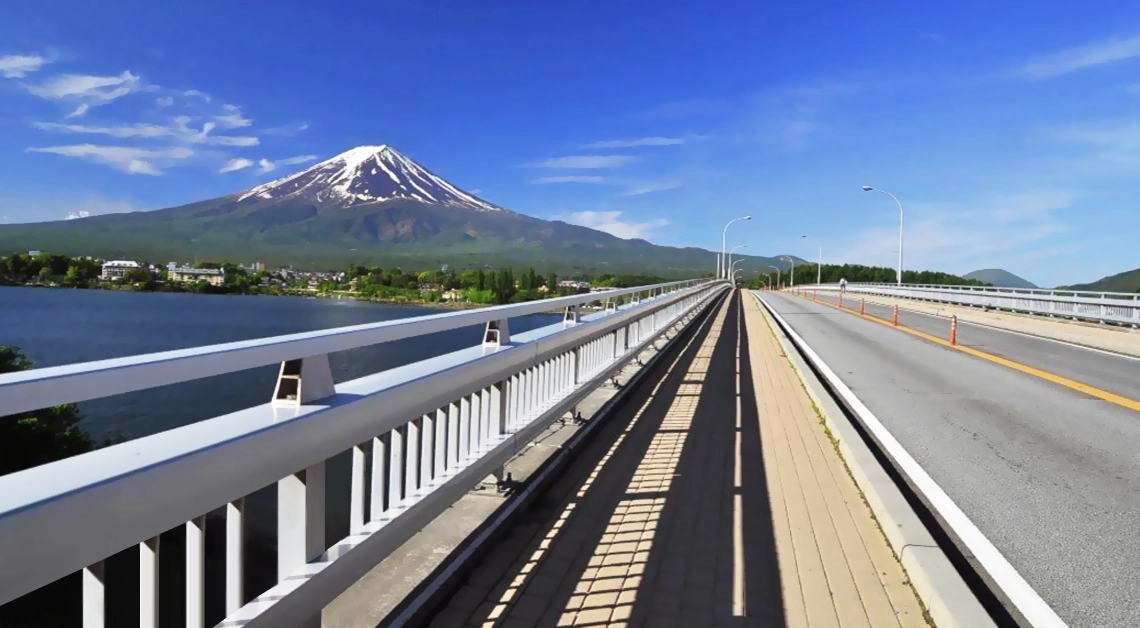 As a skilled producer of guardrails, BORUI has focused for years on making bridge guard rails that work well in damp settings. We run a current factory covering more than 20,000 square meters, and we offer full services from tailored designs to follow-up care. Our bridge guard rails aim for solid safety and lasting strength against weather, using rust-proof methods like hot-dip galvanizing and fluorocarbon spraying to guarantee a long working life. Bridge guardrails serve as safety barriers built for the edges of different bridges, such as highway bridges, city bridges, and foot bridges. Their main roles include strong crash protection, stopping falls, and standing up to wind. They use tough base materials like galvanized steel and stainless steel, which are strengthened and joined by welding, then coated to fight rust. Our items fit the tall, breezy, and wet spots common on bridges, all while blending nicely with the building’s look.
Influence of Moisture on Metal Guard Rail Components
Dampness ranks as a key weather factor that affects how long metal bridge guard rails last. High damp levels speed up rust on steel and aluminum parts by helping form salt solutions on their surfaces. Water seeps into spots like welds or connections, creating small areas where rust starts to grow. In wet and salty air spots, such as over-river or seaside bridges, we pick hot-dip galvanized steel with its double rust shield and 316 stainless steel that handles salt spray. These rust-fighting materials build the base for our bridge rail setups. Yet, even galvanized steel might see its outer layer wear down over time if checks do not happen on schedule. Guard layers like epoxy or powder types can stick less under long wet contact, which cuts their block against water.
Effects on Composite and Polymer-Based Guard Rails
Items made from composites or polymers swell a bit when they take in water over and over. This size change messes with how parts line up at joints and weakens the whole structure’s firmness. Cycles of soaking up and letting go of water lead to tiny breaks in the inner build that cut down on strength. Outerwear also changes how much grip happens during hits, which affects how well energy gets soaked up. So, in damp areas or close to the sea, polymer covers need special water-repelling add-ins to fight water pull while keeping a hard outer layer.
Corrosion Mechanisms and Protective Strategies
Rust, driven by dampness, works mainly through electrochemical means. Water in the air makes charged bits move over the metal face, building a thin salt film that keeps positive and negative reactions going.
Electrochemical Corrosion Processes in High Humidity
When damp levels rise, oxygen cuts down faster on metal faces. Salt bits from sea sprays quicken pit rust by breaking through the safe oxide skins on stainless steel. Links between different metals add to rust speed because of voltage gaps that push electron paths. These ways show why rust-proof plans must look at how materials match and what weather they face.
Protective Coatings and Surface Treatments
To fight these issues, we use several guard plans. Hot-dip galvanizing stands as the main rust-stop step for guardrail bases. It means dipping steel in hot zinc to make a zinc cover. This zinc layer gives itself up by rusting first instead of the steel. Epoxy layers build tight polymer walls against water pressure, and powder coats boost hold against sun fade. Check times rely on layer thickness and nearby damp levels; seaside setups often need quicker looks. New tiny-scale coats now give better water push by turning away water bits at the small-scale edge.
Structural Integrity and Mechanical Performance Assessment
Checking mechanical work under wear ensures trust over the full use time.
Impact Resistance Under Moisture-Induced Degradation
Rust slowly cuts the size of weight-holding parts, which lowers how much hit energy they absorb. Tired life drops as tiny splits spread in rusted spots under repeated loads from car hits or wind shakes. Test steps should copy mixed damp-hit cases to judge the left strength right.
Load-Bearing Capacity Over Time
Long wet contact causes slow thinning in metal areas. Screw links build up oxide bits that cut off power through the slide or loose effects. Build models must add time-based wear numbers from fast-age tests done under set damp loops.
Environmental Interaction and Design Considerations
Bridge guardrail work relies not just on picking materials but also on how they deal with weather-built rails.
Influence of Ambient Temperature Fluctuations with Humidity
Heat shifts make grow-shrink pulls bigger at weld joins or screw spots. Water drop times during heat changes make guard layers peel by trapping wet under them. Adding room for heat-wet growth in plans is better for last-minute guesses for bridge rail groups in changing weather.
Drainage, Ventilation, and Design Optimization Techniques
Good water flow cuts buildup near footplates or hold points, where rust often starts. Airflow-open tubes cut the local damp pile in pipe parts by helping air move. Using sacrificial anodes or current-block guard stretches system life by sending rust flows away from built metals, a way that helps a lot for sea bridges needing better rust fights.
Monitoring, Testing, and Maintenance Strategies in Humid Climates
Ongoing watch makes sure to catch early signs of wear before the trust breaks down.
Non-destructive Evaluation Methods for Corrosion Detection
Sound wave thickness checks find hidden thin spots under whole coats; swirl current tests spot face splits even through no-power paint; heat sense imaging shows under wet push areas that point to coat failure ways.
Predictive Maintenance Based on Environmental Data Integration
Sense-based watch systems follow nearby damp levels and electric charge shifts over put-in parts in real time. Smart learning tools handle this weather info to gauge needs well from past patterns, which lets guess-ahead fixes overreact to repairs that stretch item life while besting full cost.
Standards, Guidelines, and Future Research Directions
To keep a steady quality over world setups, sticking to global rules matters a lot.
Current Engineering Standards Relevant to Humid Conditions
ASTM rules set lab test ways for judging rust hold under salt-spray cases; AASHTO guides control build work needs for road safety walls; ISO 9223 sorts help builders measure air rust levels by area dampness signs, giving a number base for picking the right rust-fight care fit to each weather type.
We keep bettering our make steps based on these steps ahead to bring the best rust-fight setups using galvanized steel bases built just for damp weather around the world. For work-fit talks or tech team-ups on new bridge guardrail plans fit for high-damp spots, reach us via our site’s contact page links.
FAQ
Q1: What type of material offers the best anti-corrosion performance for bridge guard rails?
A1: Hot-dip galvanized steel combined with fluorocarbon spraying provides superior resistance against humidity-induced corrosion due to its dual-layer protection mechanism that prevents rust propagation even under salt-spray exposure.
Q2: How frequently should maintenance be scheduled for galvanized bridge guard rails?
A2: Inspection intervals depend on local climatic severity, typically every two years in moderate humidity zones but annually near coastal regions where chloride concentration accelerates surface oxidation.
Q3: Are composite materials suitable replacements for traditional galvanized steel rails?
A3: Composites can reduce weight but require careful formulation against hygroscopic expansion; therefore, they complement rather than replace galvanized steel when long-term structural reliability under humid conditions is required.
Recent Posts
-
 Window Guardrail Height and Design Details for Safer BuildingsOctober 12, 2026
 -

-
RELATED PRODUCTS
A tale of a fateful trip that started from this tropic port aboard this tiny ship today stillers
Contact Us
Get personalized guardrails advice for system choice & savings.


